





Breaking the Summer Monopoly
The traditional mango export window in India is a highly concentrated period from April to June. This is when celebrated varieties like Alphonso and Kesar hit their peak, creating a rush to get the perishable fruit to international markets like the UAE,
UK, and USA. However, this reliance on a short, intense season creates immense logistical pressure, price volatility, and vulnerability to climate shocks, which can devastate a year's crop in a matter of weeks. The industry has long sought ways to de-risk and extend its earning potential. The solution, it turns out, was not a new technology, but a renewed focus on the mango varieties that ripen long after the main summer rush has ended.
The Late-Blooming Stars
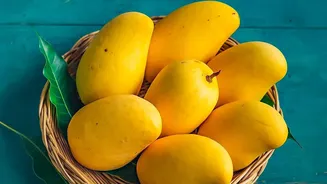
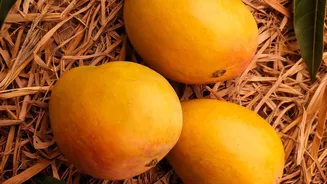
Several late-season mangoes, which are harvested from late June through August, are now at the forefront of this export diversification strategy. Varieties from North India like the honey-sweet Chausa and the aromatic Langra have long been domestic favourites and are now finding a bigger audience abroad, particularly in the Middle East and the UK. Similarly, Neelam and Totapuri from Karnataka are proving to be valuable assets. Harvested in July, these varieties help exporters cater to global demand after the peak season for Alphonso and Kesar has passed. Other notable late-season players include Fazli from West Bengal and the Amrapali hybrid, which are also helping to stretch the export calendar.
New Markets and Growing Demand
This extension of the season is allowing Indian exporters to tap into new market opportunities and solidify their presence in existing ones. A recent, first-ever air shipment of Neelam and Totapuri mangoes from Karnataka to the Maldives in late July highlights this trend. The move was facilitated by the Agricultural and Processed Food Products Export Development Authority (APEDA), which sees these initiatives as crucial for creating new export avenues and boosting farmer incomes. The demand is not just for fresh fruit; varieties like the tangy Totapuri are also prized for processing into pulp, juices, and other value-added products. This dual-purpose appeal makes them a resilient choice for farmers and exporters navigating the complexities of global trade.
The Road Ahead: Challenges and Opportunities
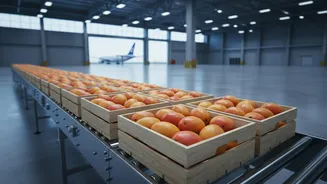
While the strategy is promising, it is not without hurdles. The primary challenges for Indian mango export remain logistical. Poor cold-chain infrastructure, high air freight costs, and complex phytosanitary standards in countries like the US and Japan are significant barriers. Most of India’s premium mangoes are shipped by air due to their short shelf life, making them expensive compared to competitors from Mexico or Peru who rely on sea freight. However, progress is being made. APEDA and ICAR-CISH have been developing sea-shipment protocols that can extend shelf life and dramatically reduce transport costs, potentially opening up European markets on a larger scale. Success hinges on integrating the entire supply chain, from ensuring good agricultural practices at the farm level to efficient post-harvest management.
A Sweeter Deal for Farmers
Ultimately, the biggest beneficiaries of an extended season could be the farmers themselves. A longer season means a more distributed source of income, reducing the financial risk associated with a single, weather-dependent harvest. In regions like Ulavapadu, farmers have recently seen better prices for their late 'Punasa' mango crop, especially with demand driven by festivals like Onam, after a disappointing main season. By connecting Farmer Producer Companies (FPCs) directly with exporters, as seen in the Karnataka-to-Maldives shipment, the model ensures that a larger share of the profits flows back to the growers. This organised approach helps in aggregating produce, maintaining quality, and building a reliable supply chain that international buyers can trust.