


The Humble Grain with a Rich History
Ragi, known as nachni in Maharashtra and Gujarat or mandua in parts of North India, is a hardy millet that has been a staple food in parts of India for thousands of years. Having been found in the archeological sites of the Harappan Civilization, this
grain has a long history in the subcontinent. Traditionally seen as a food for farmers and rural communities, ragi is now being celebrated in urban kitchens as a 'superfood'. This gluten-free grain, which comes in reddish-brown hues, is appreciated not just for its resilience in the field but also for its impressive nutritional profile. It's a whole grain, meaning it retains all three parts of the kernel—the bran, germ, and endosperm—ensuring you get its full benefits.
A Nutritional Powerhouse
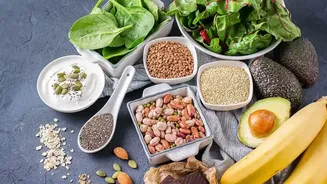
The renewed interest in ragi is largely due to its incredible health benefits. It is a fantastic source of dietary fibre, which aids digestion, helps in weight management by keeping you full for longer, and can assist in regulating blood sugar levels. One of ragi's standout features is its exceptional calcium content, which is significantly higher than that of other cereals like wheat and rice, making it excellent for bone health. It is also packed with other essential minerals like iron, potassium, and phosphorus, along with vital amino acids. For those with diabetes, its low glycemic index helps in the slow release of glucose into the bloodstream, preventing sudden sugar spikes.
Breakfast, Reimagined with Ragi
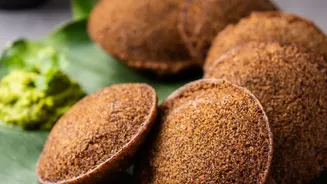
Starting your day with ragi can provide sustained energy. Instead of the usual porridge, which can be made sweet with jaggery and milk or savoury, consider some creative twists. An instant ragi dosa is a quick and satisfying option; the batter, made from ragi flour and curd, requires no fermentation. You can also make soft and fluffy ragi idlis or even ragi banana pancakes for a wholesome start. For something on the go, blend ragi flour into a smoothie with fruits and nuts for a nutrient-dense drink.
Wholesome Lunch and Dinner Ideas
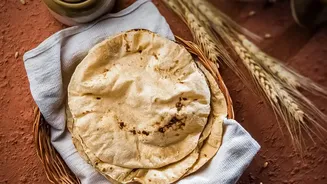
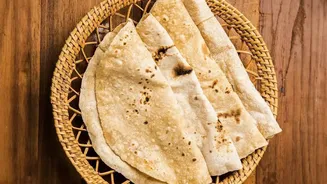
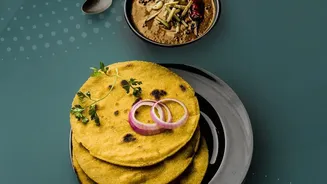
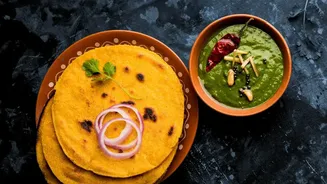
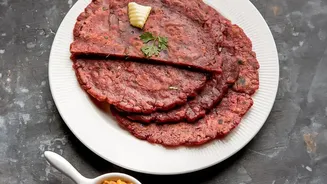
Ragi can easily be integrated into your main meals. The most common way is by making ragi roti or bhakri, which has an earthy flavour and pairs beautifully with dals and vegetable curries. A tip for making soft ragi rotis is to use hot water to knead the dough, which makes the gluten-free flour easier to work with. In Karnataka, ragi mudde, or dense balls of cooked ragi flour, is a staple, typically eaten with sambar or a spicy curry. You can also mix ragi flour with your regular whole wheat atta to make multigrain chapatis, adding a nutritional boost to your daily bread.
Healthy Snacks and Sweet Treats
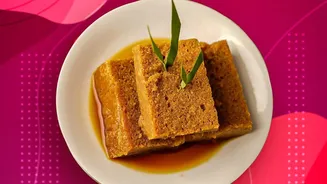
Yes, healthy snacking is possible with ragi. Its distinct, nutty flavour lends itself well to baked goods. You can substitute a portion of regular flour with ragi flour to make healthier cookies, muffins, and cakes. Ragi ladoos, sweetened with jaggery and packed with nuts, are a traditional and energising snack. For a savoury option, you can try making crispy ragi pakodas or chaklis. Even classic desserts like halwa can be given a nutritious makeover using this versatile millet.