


Start Your Day Green
Most of us reserve vegetables for lunch and dinner, completely missing a key opportunity first thing in the morning. Starting your day with vegetables sets a healthy tone and gets you ahead on your daily intake before life gets busy. It’s easier than
you think. Add a handful of spinach or some chopped mushrooms and peppers to your morning omelette or scrambled eggs. If you're a smoothie person, blend in a cup of baby spinach or kale; the fruit will mask the taste, but you'll still get all the nutrients. This single change can help you bank a full serving of vegetables before you've even finished your first cup of coffee.
Prep for Success
The biggest barrier to eating more vegetables is often the effort required for washing, peeling, and chopping. You can overcome this by dedicating a small amount of time once or twice a week to vegetable prep. Wash and chop carrots, cucumbers, and bell peppers and store them in containers in the fridge for easy, grab-and-go snacks. You can pair them with hummus or a yogurt-based dip. Pre-chopping onions, broccoli, and zucchini means you’re more likely to toss them into weeknight stir-fries, pastas, or soups without a second thought. When the healthy choice is also the convenient choice, you're far more likely to make it.
Make Vegetables a Team Player
You don't have to force yourself to eat a pile of steamed broccoli if you don't enjoy it. Instead, integrate vegetables into the dishes you already love. This is often called “food pairing” or “sneaking” vegetables in. Finely grate carrots or zucchini into your favourite pasta sauce, chili, or meatball mix. The vegetables add moisture, nutrients, and texture without dramatically changing the flavour of the dish. You can also bulk up sandwiches and wraps with extra lettuce, tomato, cucumber, and avocado. By making vegetables a component of a beloved meal rather than a standalone chore, you’ll increase your intake without feeling like you're making a sacrifice.
Embrace the Power of Roasting
If you find many vegetables bland or uninspiring, you may just be using the wrong cooking method. Roasting is a game-changer for flavour. Tossing vegetables like Brussels sprouts, cauliflower, sweet potatoes, and carrots with a bit of olive oil and your favourite spices before roasting them at a high temperature brings out their natural sweetness through caramelization. This method transforms them from a mundane side dish into a crispy, delicious highlight of the meal. Roasted vegetables are also fantastic as leftovers, easily added to salads, sandwiches, or grain bowls the next day.
Utilise Your Freezer
Fresh vegetables are great, but don't overlook the convenience and nutritional value of their frozen counterparts. Frozen vegetables are picked and frozen at peak ripeness, locking in vitamins and minerals, and they are often more affordable and longer-lasting than fresh produce. Having a well-stocked freezer means you always have vegetables on hand for a quick meal. You can throw frozen peas and corn into soups and stews, add frozen spinach to curries, or steam frozen broccoli as a fast side dish. This eliminates the excuse of not having any fresh produce in the house and makes adding a serving of vegetables to any meal a matter of seconds.
Make Half Your Plate Vegetables
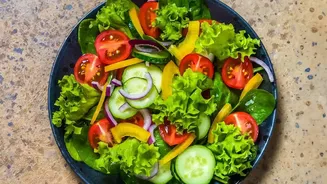
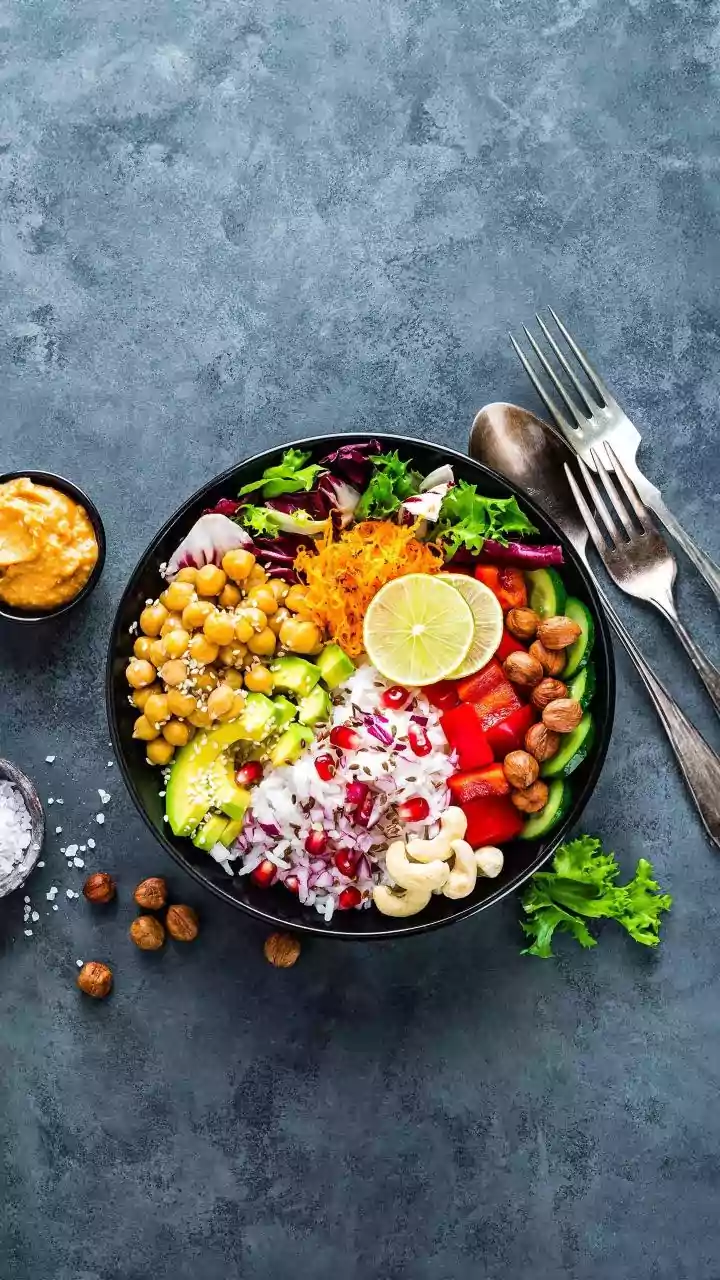
Shifting your mindset can be a powerful habit-forming tool. Instead of viewing vegetables as a small side dish, make it a rule to fill half of your plate with them at lunch and dinner. This simple visual cue ensures you are prioritizing vegetable intake and naturally helps with portion control for other, more calorie-dense foods on your plate. Start by building your meal around the vegetables—perhaps a large salad, a generous portion of roasted vegetables, or a vegetable-heavy stir-fry—and then add your protein and carbohydrates. This habit not only guarantees you hit your vegetable goals but also helps reframe what a balanced meal looks like.