







Vikramshila Gangetic Dolphin Sanctuary, Bihar
As the country's only protected area for the endangered Gangetic river dolphin, this sanctuary is a conservation success story turned tranquil tourist destination. Spanning a 60-kilometre stretch of the Ganges River near Bhagalpur, this is one of the last
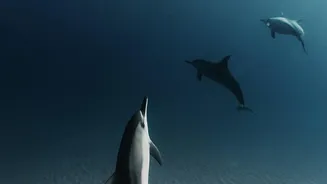
strongholds for India's national aquatic animal. Unlike crowded tourist hubs, the experience here is rustic and unhurried. Local boatmen, whose knowledge of the river is unparalleled, operate small wooden boats. Responsible tourism is built into the fabric of the sanctuary; there are no loud, intrusive safari vessels. Instead, visitors float along deep channels, often in the quiet of the early morning, waiting for the dolphins to surface. These dolphins are functionally blind and navigate using echolocation, making a quiet, respectful approach essential for both their well-being and the chances of a sighting. A visit here directly supports the conservation efforts and the local community dedicated to protecting these rare freshwater mammals.
Chilika Lake, Odisha
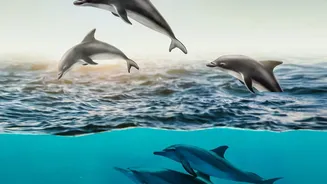
Often called India's dolphin capital, Chilika Lake is Asia's largest brackencore water lagoon and a haven for the rare Irrawaddy dolphin. These dolphins, with their distinctive rounded foreheads, are a key attraction in the calm waters near Satapada. What makes this a responsible choice is the structured approach to tourism. The Chilika Development Authority oversees boat operations, providing guidelines to minimize disturbance to the dolphins. The best trips happen in the early morning when the water is calm, increasing the chances of a sighting without the need for aggressive pursuit. Responsible operators focus on creating a holistic nature experience, highlighting not just the dolphins but also the incredible birdlife, especially during the November to February migratory season. Choosing a licensed boat ensures you are part of a system that aims to balance tourism with the conservation of this fragile and vital ecosystem.
The Coast of Goa
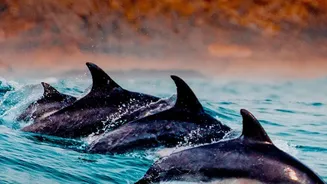
Goa is famous for dolphin-watching, but its popularity has also created challenges with overcrowding and unethical practices like chasing dolphins. However, a conscious traveller can find and support truly responsible operators. Organisations like Terra Conscious, founded by a former WWF India coordinator, are setting a new standard. These eco-sensitive trips follow international whale and dolphin watching guidelines, such as maintaining a minimum 50-metre distance, not encircling the animals, and switching off engines in their presence. The focus shifts from a quick, guaranteed sighting to a respectful 'Ocean Biodiversity Experience'. These four-hour excursions include educational presentations and highlight other marine life, reducing pressure on the dolphins and providing a richer experience. By choosing operators who train local fishermen and charge a fair price that reflects the value of conservation, tourists can actively help protect the Indo-Pacific humpback dolphins that call these waters home.
The Sundarbans, West Bengal
The world's largest mangrove forest, a UNESCO World Heritage Site, offers a unique backdrop for dolphin watching. The intricate network of tidal waterways is home to two species: the Gangetic river dolphin and the Irrawaddy dolphin. Dolphin watching here is typically part of a broader eco-tour that focuses on the entire mangrove ecosystem, including its famous but elusive Royal Bengal Tiger. Tour operators who emphasize eco-friendly practices, use quieter boats, and employ knowledgeable local guides contribute to a sustainable experience. The Bangladesh government has established several dolphin sanctuaries within the Sundarbans, and while these are on the other side of the border, the conservation ethos is influencing tourism in the Indian Sundarbans as well. A trip here supports the preservation of a critically important global habitat and offers the chance to see dolphins in one of the wildest, most untouched landscapes in India.
The Konkan Coast, Maharashtra
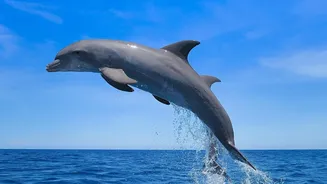
Stretching along Maharashtra, the Konkan Coast offers quieter, less commercialized alternatives for dolphin watching, particularly around towns like Dapoli, Malvan, and Tarkarli. Here, you can spot Indian Ocean Humpback Dolphins and Bottlenose Dolphins, often on tours run by local fishermen. In places like Achara, near Malvan, the experience is defined by its tranquility. Less boat traffic and a slower pace mean the safaris are naturally more respectful of the marine environment. Local operators in these regions are increasingly aware of the importance of responsible tourism, aiming to observe dolphins from a respectful distance rather than chasing them. Supporting these community-led initiatives not only provides a more authentic and peaceful encounter but also directly benefits the local economy, creating a sustainable model where marine conservation and tourism can coexist.