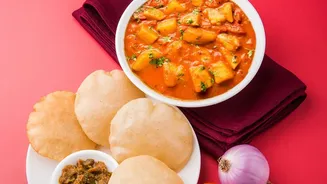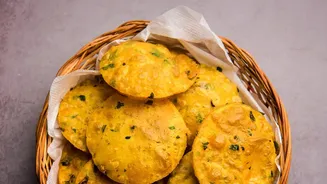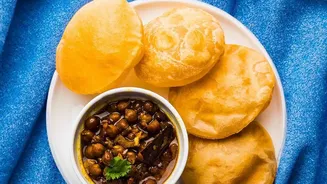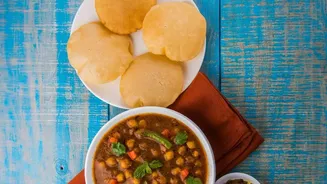


The Agony of a Soggy Poori
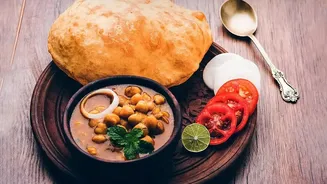
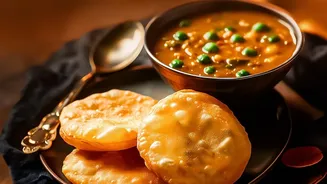
We've all been there. You fry a batch of beautiful, balloon-like pooris for a Sunday brunch or a festive meal. They look perfect as you lift them from the shimmering oil. You stack them on a plate lined with paper towels, feeling responsible for soaking
up the excess grease. But by the time everyone sits down to eat, the magic is gone. The bottom pooris in the pile are limp, oily, and disappointingly chewy. The crispiness that makes a poori so irresistible has vanished, leaving behind a shadow of its former glory.
The Paper Towel Misconception
Lining a plate with paper towels is the default move for almost anyone frying anything at home. The logic seems sound: the paper absorbs surface oil, making the food less greasy. And to its credit, it does just that. However, when it comes to preserving crispiness, this method has a fatal flaw. As the hot pooris are placed on the flat surface of the paper, they immediately begin to release steam. With nowhere to go, this steam gets trapped between the poori and the paper towel, effectively steaming the underside of the crust you worked so hard to create. The result is a soggy bottom. Stacking more pooris on top only compounds the problem, creating a humid environment where crispiness cannot survive.
Understanding the Science of Crisp
The perfect crunch of a fried food is a delicate balance of heat and moisture. When you slide the rolled dough into hot oil, the moisture on its surface rapidly evaporates, and the Maillard reaction begins, creating that beautiful golden-brown color and savoury flavour. The heat cooks the inside while forming a rigid, crispy outer shell. The enemy of this shell is moisture that gets reintroduced after frying. The biggest source of this moisture is the steam emanating from the food itself. Any method that traps this steam will soften the crust, turning it from crispy to leathery. This is why food packed in a sealed container for delivery often arrives soggy—it has steamed itself limp.
Why Airflow Is Your Best Friend
The solution is simple: elevation. Instead of placing your freshly fried pooris on a flat paper towel, transfer them to a wire cooling rack set over a baking sheet or plate. This setup allows air to circulate freely around the entire poori—top, bottom, and sides. The steam escapes into the air instead of getting trapped against the surface, allowing the crust to cool and set properly while maintaining its brittle, crispy structure. The excess oil still drips down onto the sheet below, which you can line with a paper towel for easy cleanup. This one small change in technique makes a monumental difference in the final texture, keeping pooris crisp long after they’ve left the oil.
More Tips for Poori Perfection
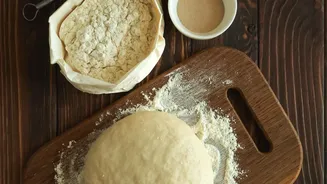
While proper draining is key, other factors contribute to the perfect poori. First, ensure your dough is firm and stiff, not soft like chapati dough; a softer dough absorbs more oil. Adding a tablespoon or two of semolina (sooji) or rice flour to your wheat flour can also enhance crispiness and help the pooris stay firm longer. Second, the oil temperature is critical. It should be hot enough that a small piece of dough sizzles and rises to the surface immediately. If the oil is too cool, the pooris will absorb grease and become heavy instead of light and puffy. Finally, avoid dusting your pooris with dry flour when rolling, as the excess flour can burn in the oil; a light touch of oil on the dough ball is all you need.