

Meet the Universe's New Photographer
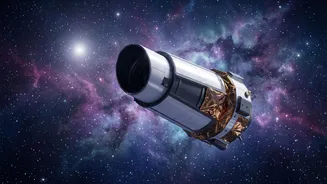
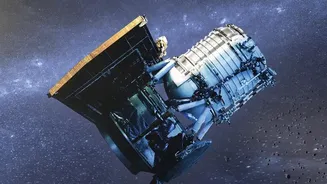
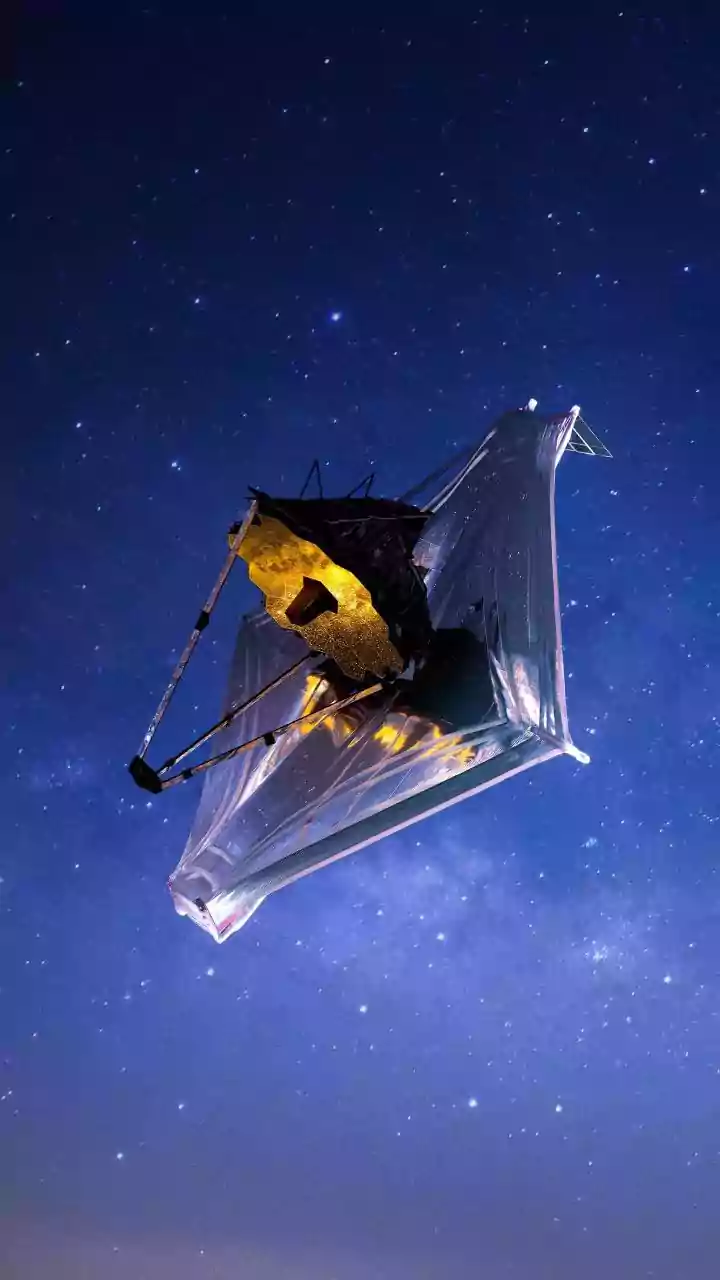
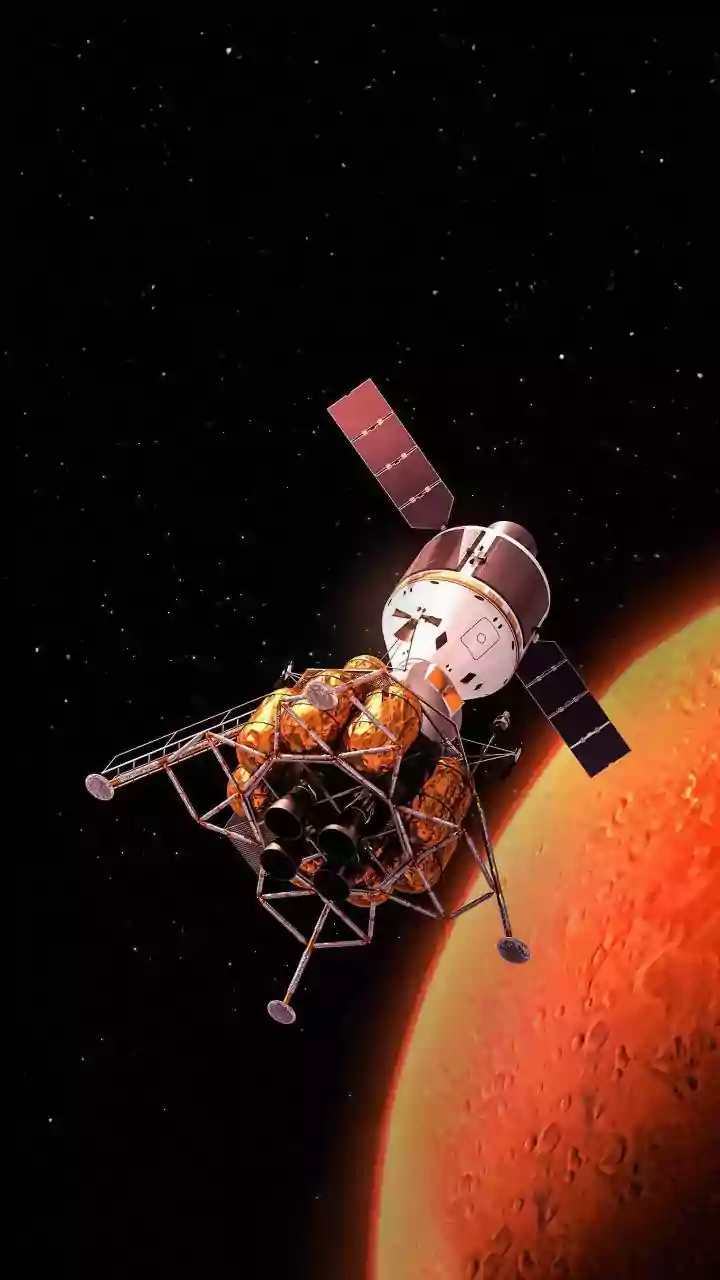
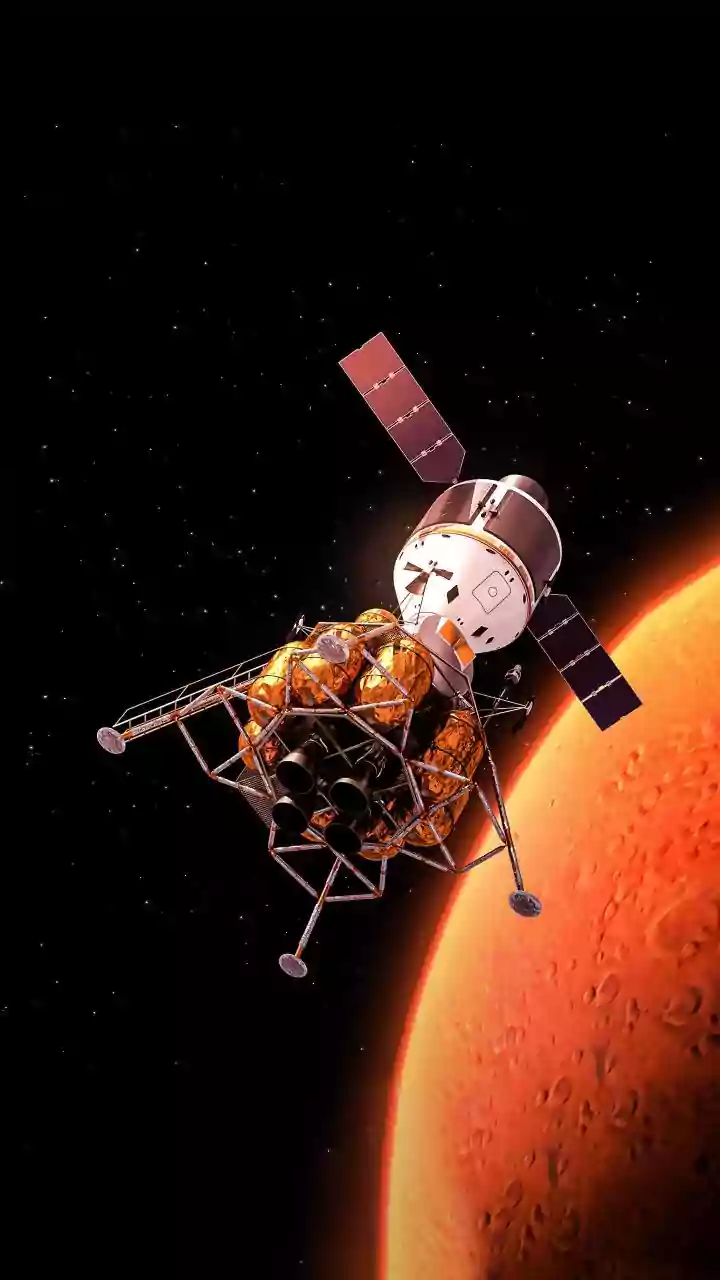
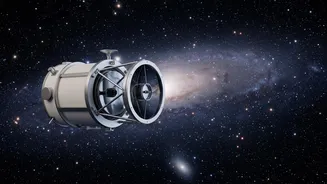
Named after Dr. Nancy Grace Roman, NASA's first chief of astronomy and the 'mother' of the Hubble Space Telescope, this new observatory honors a legacy of looking skyward. Launched on August 30, 2026, the Roman telescope is a flagship mission on par with
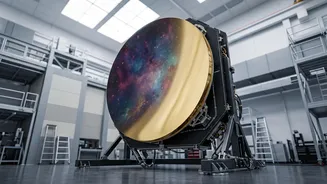
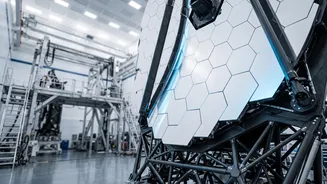
Hubble and the James Webb Space Telescope (JWST). However, it has a very different job description. While Hubble and Webb are like photographers using a zoom lens to capture stunningly detailed portraits of individual cosmic objects, Roman is the landscape photographer. It uses a wide-angle lens to capture vast panoramas of the sky, providing context to the cosmic portraits its siblings take. Its primary mirror is the same size as Hubble's at 2.4 meters, but its capabilities are tailored for speed and breadth.
The Power of a Wide-Angle View
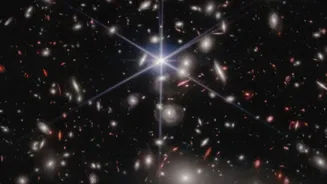
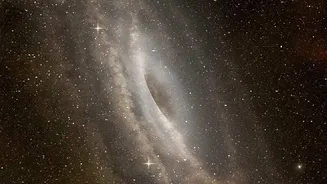
The key to Roman's power is its Wide-Field Instrument (WFI). This 300-megapixel camera gives it a field of view at least 100 times larger than Hubble's infrared camera, with similar sharpness. To put that in perspective, a single snapshot from Roman can contain the detail of about 100 Hubble images. This allows it to survey the sky up to 1,000 times faster than Hubble ever could. The goal isn't just to take pretty pictures, but to conduct massive surveys. By systematically scanning huge patches of the sky, Roman will create the largest, deepest maps of the universe ever made, collecting a treasure trove of data—about 20 petabytes over its five-year primary mission—that will be a goldmine for scientists for decades.
Chasing Cosmic Phantoms: Dark Energy and Dark Matter
Two of the biggest puzzles in modern astrophysics are dark energy and dark matter. Together, they are thought to make up about 95% of the universe, but we can't see or directly detect them. Dark matter provides the gravitational scaffolding that holds galaxies together, while dark energy is the mysterious force causing the expansion of the universe to accelerate. Roman will tackle these mysteries head-on. By surveying billions of galaxies and thousands of exploding stars called supernovae, it will create a 3D map of the cosmos across space and time. This map will allow scientists to trace the history of cosmic expansion with incredible precision, testing whether dark energy's influence has changed over time and mapping the distribution of the invisible dark matter.
An Unprecedented Hunt for New Worlds
Beyond cosmology, Roman is poised to become an exoplanet-finding powerhouse. It will conduct a massive census of planets outside our solar system, with the potential to discover thousands of new worlds on its own. It will primarily use a technique called gravitational microlensing, where the gravity of a foreground star acts like a magnifying glass, brightening the light of a more distant star. If the foreground star has a planet, the planet's own gravity creates a brief additional spike in brightness. This method is sensitive enough to find planets of various sizes, including worlds at distances from their stars that other methods struggle to detect, and even lone 'rogue' planets that wander the galaxy without a parent star.
A New Era of Discovery
The Roman Space Telescope is not a replacement for Hubble or Webb, but a powerful collaborator. From its operational orbit 1.5 million kilometers from Earth, it will identify countless objects of interest for its fellow telescopes to inspect more closely. Roman's large sky surveys will provide the big-picture data, allowing Webb and Hubble to zoom in for detailed follow-ups. After its commissioning phase, the first science images are expected in early 2027. The sheer volume of data—around 1.4 terabytes every day—will be made public immediately, allowing the global scientific community to dive into the discoveries. For astronomers and anyone who has ever looked up at the night sky in wonder, the next few years promise to be truly revolutionary.