






The Legend of the Purple Bloom
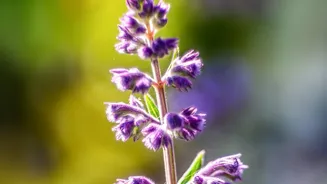
The star of this natural spectacle is the Neelakurinji flower, scientifically known as Strobilanthes kunthiana. This shrub is endemic to the shola forests of the Western Ghats, a UNESCO World Heritage Site. What makes it so extraordinary is its mass flowering
cycle; it blooms just once every 12 years. The last major bloom was in 2018, with the next one anticipated around 2030. When it does flower, it transforms entire landscapes into a vibrant canvas of purple and blue, a breathtaking sight that has even given the Nilgiri Hills, or 'Blue Mountains', their name. There are actually around 46 species of Strobilanthes found in India, each with its own unique flowering cycle, but the 12-year bloom of the kunthiana is the most famous.
More Than Just a Flower
The Neelakurinji is deeply woven into the cultural fabric of the region. For the indigenous Paliyan and Toda tribal communities of Tamil Nadu, the flower is a cornerstone of their traditions. The Paliyan people have historically used the 12-year blooming cycle to calculate their age and mark significant life events. This deep connection is also immortalised in classical Tamil Sangam literature, where 'Kurinji' refers to the mountainous landscape and is associated with love and romance. Ecologically, the mass blooming plays a vital role in the health of the shola grasslands, providing a sudden abundance of nectar for bees and other pollinators. This results in the production of a rare and highly prized 'Kurinji honey'.
A Treasure Under Threat
Despite its cultural and ecological importance, the Neelakurinji faces significant threats to its survival. Its fragile habitat in the high-altitude grasslands has been shrinking. Scientists estimate that nearly 40% of its original habitat has already been lost due to the expansion of tea and eucalyptus plantations, rapid urbanisation, and infrastructure development. The spread of invasive plant species also chokes out the native shrubs. Furthermore, the influx of tourists during blooming season, while economically beneficial, has led to problems. Many visitors, unaware of the plant's fragility, would pluck the flowers or uproot the plants for souvenirs, causing significant damage.
The Shield of the Law
Recognising these mounting threats, the Government of India took a decisive step. The Ministry of Environment, Forest and Climate Change has placed the Neelakurinji under Schedule III of the Wildlife (Protection) Act, 1972. This move officially designates it as a protected plant, granting it the same legal status as many protected animal species. Under this law, it is illegal to pick, uproot, or destroy the Neelakurinji plant. The order also prohibits its cultivation or possession, ensuring that the plant remains exclusively in its natural habitat. This legal protection is a critical tool for forest officials working to conserve the species and its delicate ecosystem.
What the Protection Means in Practice
The inclusion in the Wildlife (Protection) Act carries serious penalties for offenders. Anyone caught destroying the plant can face a fine of up to ₹25,000 and imprisonment for up to three years. Forest departments in Tamil Nadu and Kerala are now empowered to take strict action against violators within forest areas, protected reserves, and national parks. During recent smaller blooms, forest officials have already begun restricting public access to sensitive areas, citing both the plant's protected status and the presence of wildlife like elephants. This legal framework moves beyond simple advisories, giving conservation efforts real authority and sending a clear message about the national importance of this floral treasure.