








A Sweet Extension to the Season
Just as the main mango season winds down, a new chapter is beginning for farmers in Karnataka. On July 30, the Agricultural and Processed Food Products Export Development Authority (APEDA) facilitated the first-ever air shipment of late-season mango varieties
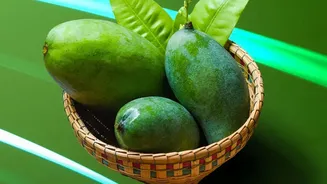
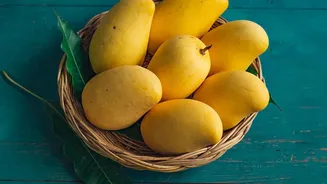
from the state to the Maldives. The one-metric-tonne consignment contained Neelam and Totapuri mangoes, varieties harvested from late June through July. This move is significant because it aims to extend India's mango export window beyond the traditional peak months, tapping into international demand when local markets are usually saturated and prices are low. By creating new avenues for these later varieties, the initiative provides a crucial lifeline for farmers and a welcome surprise for mango enthusiasts abroad.
From Kolar to the World
The logistical effort was a collaboration involving multiple players. The mangoes were sourced directly from farmers associated with the Prakruthimaya Farmers Producer Company (FPC) in Kolar district, a major mango-growing region in Karnataka. The export itself was handled by a newly registered woman entrepreneur, highlighting a push for greater inclusivity in India's agri-export ecosystem. This direct farm-to-export model, facilitated by APEDA, is designed to streamline the supply chain. By connecting Farmer Producer Companies directly with global markets, the system bypasses multiple intermediaries, which often erode farmer profits and delay transit. The use of air freight, while more expensive, is critical for a perishable fruit like mango, ensuring it arrives in optimal condition.
The Economic Impact
The most significant outcome of this cargo initiative is the direct financial benefit to the farmers. According to APEDA, farmers involved in this export earned over 50% higher returns compared to what they would have received in conventional domestic markets. This is a substantial boost, especially for growers of varieties like Totapuri, who have previously faced price crashes and significant losses. One farmer from Kolar noted that while he had faced huge losses on his Totapuri crop this year, being part of the export initiative allowed him to recover half of those losses. This success demonstrates a powerful proof of concept: organized aggregation and direct export linkages can dramatically improve farmer incomes and provide a buffer against the volatility of local market prices.
A Blueprint for the Future?
While the initial shipment to the Maldives was modest in size, its implications are far-reaching. Union Commerce and Industry Minister Piyush Goyal noted that the milestone unlocks new opportunities for Karnataka's growers and encourages greater participation from FPOs and agri-entrepreneurs in tapping global markets. The success with Neelam and Totapuri mangoes serves as a potential blueprint for other horticultural products and late-season varieties across India. The model addresses several key challenges in Indian agriculture: reducing post-harvest losses, ensuring better price realization for farmers, and strengthening India's export basket. By focusing on quality, logistics, and direct market access, such initiatives can help transform the agricultural landscape from being purely production-driven to becoming more market-aware and profitable for its primary stakeholders.