


The Leafy Green Inspection
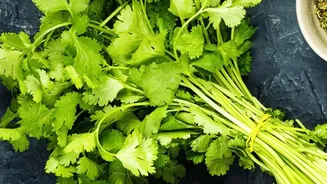
Leafy greens like spinach, coriander, and lettuce are particularly vulnerable during the monsoon. The excess moisture in the air can get trapped between the leaves, creating a perfect breeding ground for bacteria and fungus. Before buying, inspect the bunch
carefully. Look for leaves that are crisp and bright green. Avoid anything that looks wilted, yellowed, or has dark, slimy spots. These are early signs of decay. Give the leaves a gentle shake; if a lot of moisture comes off, they may not last long. The complex, layered structure of greens makes them difficult to clean thoroughly, so starting with the freshest possible bunch is your best defence against contamination and rapid spoilage.
The Root Vegetable Reality Check
Root vegetables such as potatoes, onions, and carrots are staples, but the rainy season can affect their quality. Since they grow underground, they are already prone to soil contamination, which is heightened during the damp monsoon months. When purchasing, check for firmness. A soft or spongy potato is a sign it has started to go bad. Avoid potatoes with green patches or those that have begun to sprout, as this indicates they are old. For onions and garlic, look for dry, papery outer skins without any dark, mouldy patches or soft spots. Excess moisture accelerates decay and sprouting in these vegetables, so always select ones that feel firm, heavy for their size, and appear dry.
The Cruciferous Critter Scan
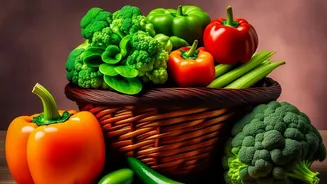
Vegetables like cauliflower, cabbage, and broccoli are notorious for harbouring pests, especially during the monsoon. The damp, humid weather encourages worms and other insects to thrive within their dense florets and layered leaves. When buying cauliflower or broccoli, check for any tiny holes or dark spots on the surface, which could indicate an infestation. The heads should be compact, firm, and creamy-white or uniformly green. Avoid any that have started to spread out or show signs of yellowing. For cabbage, feel the weight; it should be heavy and dense. The outer leaves should be crisp and fresh, not wilted or riddled with holes, which are tell-tale signs of cabbage worms.
The Gourd and Okra Firmness Test
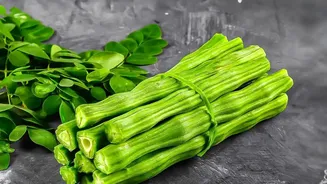
Monsoon is the peak season for many gourds like lauki (bottle gourd) and turai (ridge gourd), as well as bhindi (okra). While they grow well in this season, selecting good ones is key. For all gourds, the primary check is firmness. Gently press the vegetable; it should feel firm and solid, not soft or pliable. The skin should be smooth and free of blemishes, soft spots, or cuts. For okra, choose smaller, brighter green pods that snap easily. Larger, tougher pods are often stringy. During the humid monsoon climate, okra can become slimy and spoil more quickly, so avoid any pods that feel sticky or appear dull in colour.
The Tomato and Brinjal Fungal Check
Tomatoes and brinjals (eggplant) are highly susceptible to spoilage from excess moisture. High humidity can cause tomatoes to rot quickly and develop fungal infections. When selecting tomatoes, look for firm ones with smooth, shiny skin. Avoid any that are overly soft, have wrinkled skin, or show any signs of black or white mould, especially around the stem area. Similarly, brinjals can become mushy and spoil faster during the monsoon. A good brinjal should have smooth, glossy skin and feel heavy for its size. The cap and stem should be green and fresh-looking. Press it gently; if your finger leaves an indentation, it’s a sign that the vegetable is not fresh and will likely go bad quickly.