







The Annual Tax Scramble in India
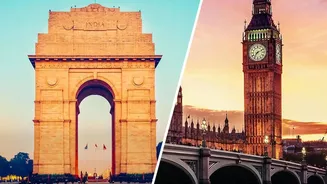
For most individual taxpayers in India, the end of July signifies a frantic rush. It's the deadline to declare income, claim deductions, and pay the requisite taxes for the preceding financial year. The Indian system is a progressive one: the more you
earn, the higher the percentage of tax you pay, with different slabs determining the rate. This revenue is the backbone of the country's public services, funding everything from infrastructure and defence to healthcare and education. The process is a fundamental part of civic life for a significant portion of the population, a yearly obligation that fuels the nation's engine.
Meanwhile, in Monaco...
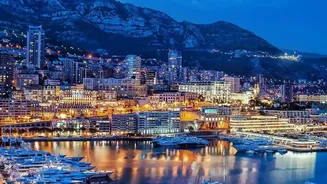
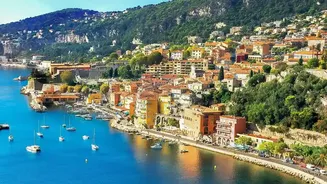
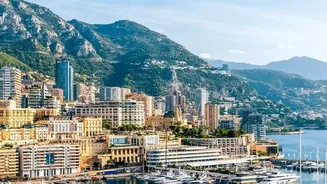
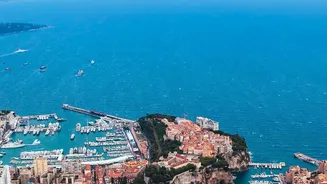
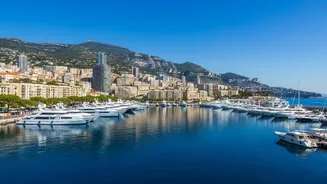
On the other side of the world, on the glamorous French Riviera, lies the Principality of Monaco, a tiny sovereign city-state with a radically different approach. For its residents, there is no annual ITR filing scramble because, with one notable exception, Monaco has not levied a personal income tax since 1869. That’s right—no tax on salaries, investment income, capital gains, or dividends for most individuals who call Monaco home. This policy was originally established by Prince Charles III to attract wealth and tourism after the principality lost most of its territory to France.
How Does a Country Survive Without Income Tax?
The natural question is: how does Monaco fund its government and public services? The answer lies in a diversified revenue model. A significant portion of its budget comes from a Value Added Tax (VAT), which is levied at the same rate as in France—the standard rate being 20%. Another major source is a corporate income tax, currently 25%, which applies to businesses that earn more than 25% of their turnover outside of Monaco. The state also earns revenue from its famous casinos, real estate transactions, and state-owned enterprises. This structure allows the government to function without directly taxing its residents' personal wealth or earnings.
The Fine Print: Not a Free-for-All
Before you start packing your bags, it's crucial to understand the caveats. The zero-tax rule primarily benefits residents who are not French citizens. A 1963 treaty means most French nationals living in Monaco are still subject to French income tax. Secondly, becoming a resident is a challenging and expensive process. Applicants must prove they have accommodation in one of the world's most expensive real estate markets, deposit a substantial amount (often cited as at least EUR 500,000) in a Monaco bank, and have a clean criminal record. The system is explicitly designed to attract high-net-worth individuals, not the average person.
Two Systems, Two Economic Philosophies
The contrast between India and Monaco is more than just about tax rates; it's about fundamentally different economic and social philosophies. India, a vast nation of over 1.4 billion people, relies on a broad tax base to fund extensive social welfare programs and national development. Its tax system is a tool for redistribution and public investment. Monaco, a microstate with a population of under 40,000, uses its tax policy as a strategic tool for economic competitiveness. It has created a niche for itself as a secure, luxurious haven for the global elite, prioritising economic inflow from a small, wealthy population over a broad-based tax system. There are no wealth taxes or property taxes, but inheritance tax applies to assets located within the principality.