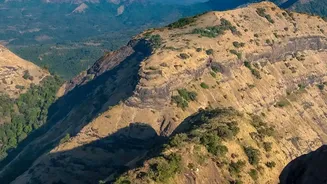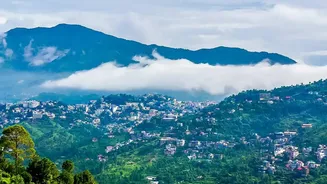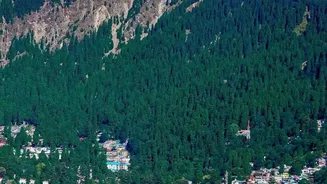




A Symphony of Green and Water
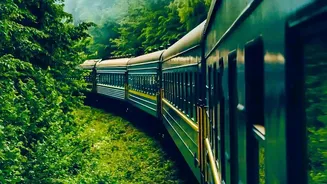
Imagine peering out of a train window to see a landscape so lush it feels otherworldly. From June to October, the Konkan Railway route, which stretches over 700 kilometres from Maharashtra to Karnataka, becomes a moving gallery of nature's finest work.
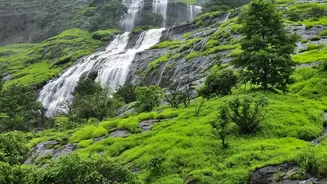
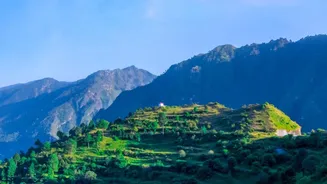
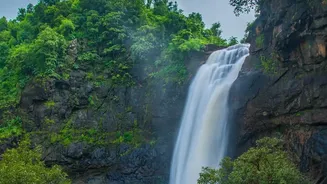
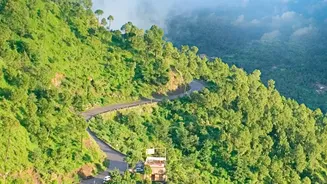
The rain breathes life into the Western Ghats, turning the rolling hills into a carpet of emerald velvet. Temporary waterfalls, born from the deluge, cascade down cliffs and sometimes come so close to the tracks you can almost feel their spray. Rivers, once gentle streams, now surge with life, their waters mirroring the dramatic, cloud-filled skies. The journey is a sensory feast: the rhythmic chug of the train, the smell of damp earth, and the endless panorama of green fields, misty mountains, and quaint villages drenched in the fresh monsoon rain. For travellers, it’s not just a commute; it’s an immersion into a landscape at its most vibrant and alive.
An Engineering Marvel Against the Elements
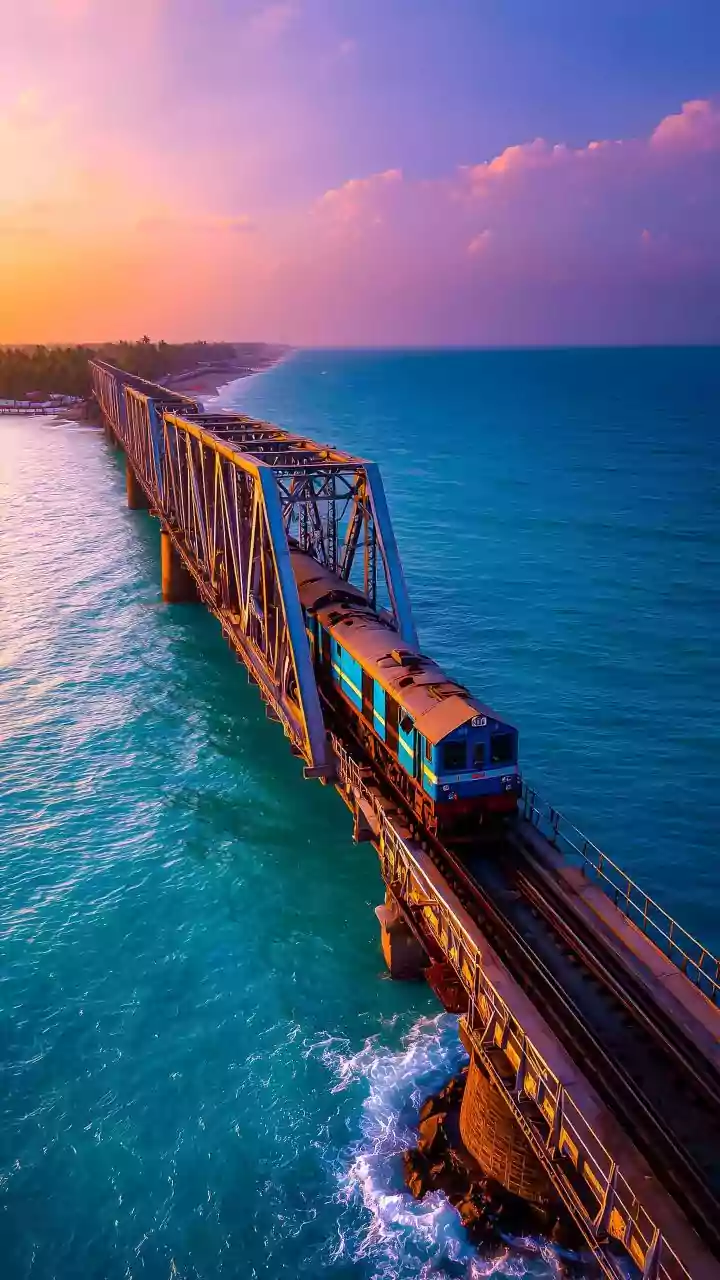
The sheer existence of this railway is a testament to human ingenuity. The project, once deemed too formidable by British engineers a century ago, was brought to life by Indian engineers in a remarkable eight-year span. To create a relatively straight and level track for high-speed trains, they had to slice through the rugged Sahyadri mountain range. This incredible feat involved constructing over 2,000 bridges to cross the region's many rivers and more than 90 tunnels to bore through solid rock. The result is a seamless ribbon of steel that glides through some of India's most challenging terrain. Every bridge you cross and every tunnel you enter is a reminder of the colossal effort required to connect the west coast. This backdrop of engineering brilliance adds a profound layer of appreciation to the scenic journey, making it a ride through both natural beauty and a landmark of modern Indian achievement.
Riding with Respect for Nature's Fury
While the monsoon creates breathtaking beauty, it also presents significant operational challenges, from landslides to flash floods. To ensure passenger safety, the Konkan Railway Corporation implements a special Monsoon Timetable from mid-June to late October. During this period, train speeds are reduced, especially in vulnerable sections. An army of over 650 personnel patrols the tracks 24/7, monitoring every kilometre for potential hazards. Advanced technology plays a crucial role, with self-recording rain gauges, flood warning systems on major bridges, and instruments to measure wind speed providing real-time data. Loco pilots are under strict instructions to slow down to 40 kmph in heavy rain and to halt services if water levels rise above the rails. Thanks to these meticulous safety protocols, major disruptions have been almost entirely avoided for over a decade, allowing passengers to enjoy the dramatic scenery with complete peace of mind.
More Than Just Visually Green
The term 'Green Corridor' has a dual meaning for the Konkan Railway. Beyond the obvious visual spectacle, the railway has earned the nickname 'Garden Railway' for its dedicated environmental efforts. Konkan Railway has undertaken massive annual plantation drives, adding tens of thousands of saplings along its route to enhance the green cover and prevent soil erosion. These initiatives go beyond aesthetics; the corporation has also embraced green technology. It has installed energy-saving LED lights across its vast network of tunnels, harnessed solar power at stations like Ratnagiri and Karmali, and pioneered the use of bio-toilets at its stations to ensure a cleaner environment. This commitment makes the journey feel even more special. Passengers are not just witnessing a green landscape; they are travelling on a railway line that actively works to preserve it, creating a unique harmony between infrastructure and ecology.