





The Gatekeeper of Pakistan's Lifeline
The Indus River System Authority, or IRSA, is the central body responsible for managing and distributing water from the Indus River and its tributaries among Pakistan's four provinces. Established in 1992 to implement the Water Apportionment Accord of
1991, its primary role is to prevent disputes by ensuring an equitable distribution of this vital resource. Twice a year, ahead of the Kharif (summer) and Rabi (winter) cropping seasons, IRSA's advisory committee meets to forecast how much water will be available. These projections are crucial for millions of farmers whose livelihoods depend entirely on irrigation from the Indus basin, which supports over 80% of the country's agriculture.
A Forecast of Scarcity
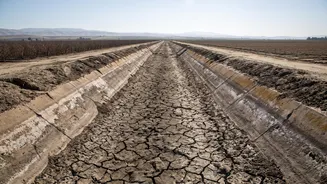
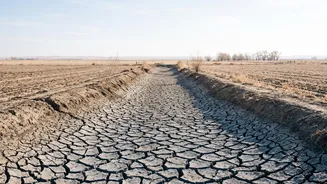
For the current Rabi season, which runs from October 2026 to March 2027, IRSA has projected a 22% water shortage. The forecast is based on anticipated river inflows of about 21.27 million acre-feet (MAF), while total water availability, including reservoir storage, is estimated to be around 29.18 MAF. This shortfall is significant because Rabi is the season for wheat, a staple food crop. A lack of sufficient water threatens crop yields, which can lead to lower harvests, rising food prices, and an increased need for costly wheat imports. The projection follows a weaker-than-expected Kharif season, where inflows were already below average, and reservoir levels on September 30 were at 9.34 MAF, down from 13.21 MAF the previous year.
How the Forecast is Made
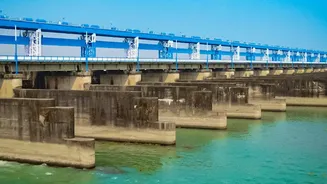
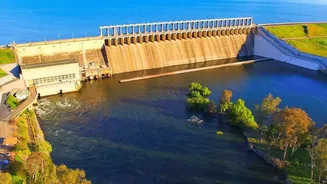
The headline-making forecast isn't a guess; it's based on a specific methodology. IRSA's technical committee uses a 'Water Availability and Allocation Tool' developed in collaboration with international partners. This model runs various scenarios based on projected 'rim-station inflows'—the amount of water expected to enter the system from the rivers at the country's borders. The forecast also accounts for existing water stored in the country's major reservoirs like Tarbela and Mangla, and factors in conveyance losses, which is the water lost during transport through canals. This scientific approach aims to provide a reliable, data-driven basis for allocating scarce resources, though the final numbers are often subject to intense debate among provincial representatives.
A Source of Internal Friction
Water distribution is a deeply contentious issue in Pakistan. The provinces of Punjab and Sindh, the agricultural heartlands, are the primary consumers and often clash over their shares. According to the distribution formula, the 22% shortage will be borne entirely by Punjab and Sindh, as Khyber Pakhtunkhwa and Balochistan are exempt from cuts during shortages. This arrangement often leads to accusations and political maneuvering. For this Rabi season, Punjab has been allocated 15.56 MAF and Sindh 11.75 MAF. Reports suggest that Sindh province had pushed back against a higher shortage projection of 26% favoured by Punjab and the Water and Power Development Authority (WAPDA), highlighting the political sensitivity of these forecasts.
The Broader Context for India
While IRSA's forecast is an internal Pakistani matter, it unfolds under the shadow of the 1960 Indus Waters Treaty between India and Pakistan. This treaty governs the rights and obligations of both countries over the waters of the Indus system. Although Islamabad has at times blamed India for its water woes, Pakistani officials and regulatory bodies have themselves pointed to internal factors like delays in building crucial hydropower and storage projects, such as the Tarbela 4th and 5th extensions, as contributors to the recurring shortages. For India, Pakistan's internal water stability, agricultural health, and management of the shared river basin are matters of significant strategic interest, impacting regional stability and food security.