







The Unique Benefits of Moving in Reverse
Why are people turning around for their workouts? Reverse walking challenges the body in ways that forward motion does not. It can help alleviate pressure on the knees by strengthening the quadriceps, which act as support for the joint. The movement,
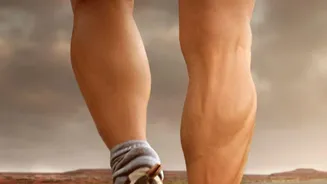
which involves landing on your toes and rolling to your heel, also engages different muscles, including your calves, glutes, and even your lower back. This backward motion requires more focus, improving balance, coordination, and body awareness. Because it's more demanding, it also burns more calories than walking the same distance forward, making it a surprisingly effective cardio workout.
Why Stability Is Your First Priority
The temptation for many when trying a new exercise is to push for speed or distance. However, with reverse walking, this is a mistake. The primary goal for any beginner should be to build a stable foundation. Your body and brain are not accustomed to this movement pattern, so the risk of tripping and falling is much higher. By prioritising stability, you are training your proprioceptive system—your body's ability to sense its position in space. Focusing on slow, controlled steps allows you to master the correct form: landing on the ball of your foot and rolling back, keeping your back straight, and avoiding excessive twisting. This builds neuromuscular connections, strengthens stabilising muscles around the ankles and hips, and reduces the risk of injury, setting you up for long-term success.
How to Start Safely
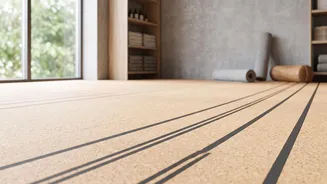
Getting started with reverse walking should be a slow and deliberate process. First, choose a safe environment. An empty hallway indoors, a clear path at a park, or a treadmill are all excellent options. For your first few attempts, use a wall, railing, or the handrails on a treadmill for support. Begin with short, 5-minute sessions. Set the treadmill to a very slow speed, around 1 mph, if you are using one. Focus entirely on your form: take small steps, land on your toes, and roll back through your foot. Keep your posture upright and try to look straight ahead as much as possible, resisting the urge to constantly look over your shoulder, which can strain your neck and throw you off balance.
Common Mistakes to Avoid
Several common errors can undermine the benefits of reverse walking and increase your risk of injury. The most frequent mistake is going too fast, too soon. Building up speed before your body has adapted can easily lead to a fall. Another pitfall is choosing an uneven or cluttered surface for your first tries; always start on a flat, clear path. Many beginners also make the mistake of leaning too far back, essentially falling into each step instead of controlling the movement. This negates the postural benefits. Finally, while you need to be aware of your surroundings, constantly craning your neck to look behind you can lead to spinal twisting and instability. It's better to occasionally glance or, ideally, have a clear, safe path where you don't need to look back at all.
Progressing Your Practice
Once you feel confident and stable with short, slow sessions, you can begin to progress. The first variable to change is duration. Gradually increase your walking time from 5 minutes to 10, then 15, aiming for sessions of up to 20 minutes. After you are comfortable with the duration, you can slowly increase the speed. If you are on a treadmill, you might bump the speed up in small increments. For more advanced walkers, introducing a slight incline can significantly increase the challenge for your quadriceps and cardiovascular system. Only after mastering these progressions on a safe, flat surface should you consider trying reverse walking on more varied outdoor terrain.