




An Alarming Global Decline
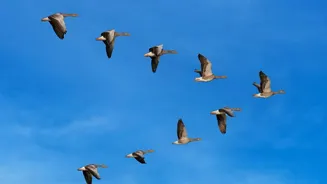
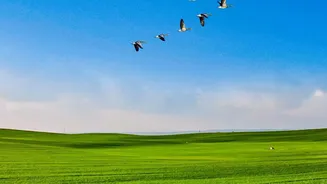
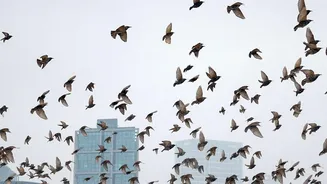
The latest findings paint a grim picture for the world's travelling animals. An interim update to the landmark 'State of the World's Migratory Species' report, presented to the UN Convention on the Conservation of Migratory Species of Wild Animals (CMS),
reveals a significant downturn. According to the report, the populations of 49% of migratory species protected under the convention are declining, a worrying increase from 44% just two years prior. Furthermore, nearly a quarter of these species are now threatened with extinction. This isn't a distant problem; it's a direct threat to the rich biodiversity that graces the Indian subcontinent. The 'State of India's Birds, 2023' report echoes these concerns, noting that long-distance migrants, especially shorebirds breeding in the Arctic, have seen declines of over 50%.
The Vanishing Rest Stops
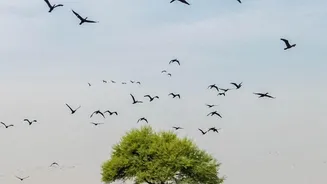
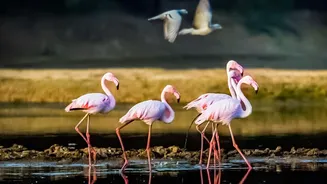
The single greatest threat to migratory birds is habitat loss. These species depend on a chain of intact ecosystems—wetlands, forests, grasslands, and coastal mudflats—to rest and refuel during their marathon journeys. India lies at the heart of the Central Asian Flyway (CAF), a critical migratory route used by over 600 species. However, many of these vital stopover sites are disappearing. Wetlands are being drained for agriculture and urban expansion, polluted by industrial waste, and choked by invasive plants like water hyacinth. In places like Pallikaranai marsh in Chennai, huge portions of vital bird habitat have been lost to roads and buildings. When these links in the migratory chain are broken, birds are forced to fly on, risking exhaustion and starvation.
A Changing Climate and Modern Dangers
Climate change acts as a threat multiplier, amplifying existing pressures. Rising global temperatures are causing a mismatch between the birds' arrival and the availability of their food sources. Extreme weather events, which are becoming more frequent, can disrupt migration patterns and directly harm bird populations. In the Himalayas, the rapid melting of glaciers threatens the high-altitude lakes that are crucial breeding sites. Beyond climate change, modern infrastructure poses a significant hazard. High-tension power lines and wind turbines can be fatal obstacles for birds in flight. Environmental pollutants, from pesticides in farm fields to plastic in our water bodies, contaminate their food sources and degrade their habitats, leading to a collapse in the delicate food chains they rely on.
The Indian Connection
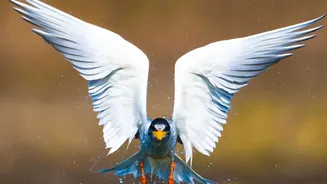
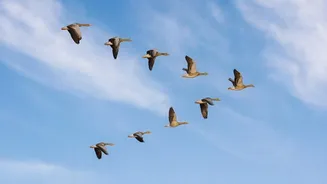
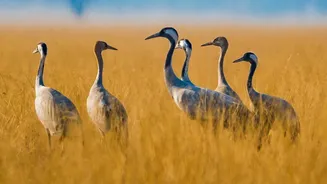
For India, this is not just an ecological footnote; it's a direct blow to our natural heritage. Many beloved species that winter here, such as the Bar-headed Goose, Curlew Sandpiper, and Common Teal, are among those facing decline. The disappearance of these birds has cascading effects. They are vital indicators of ecosystem health, and their decline signals that our wetlands and forests are in trouble. They also perform essential ecological services, from controlling pests to dispersing seeds. The decline in fish-eating birds like the Black-bellied Tern in Nepal's Koshi Tappu, a Ramsar site, has been directly linked to overfishing, showing how human activities can decimate local bird populations. This pattern is repeated across South Asia, where a combination of human pressures is making the region increasingly inhospitable for its seasonal visitors.
A Path to Recovery
While the outlook is serious, conservation success stories show that recovery is possible. The key is coordinated action across national borders, as migratory birds connect countries and cultures. India has taken steps by creating a National Action Plan for the Conservation of Migratory Birds along the Central Asian Flyway and listing many threatened species under Schedule-I of the Wild Life (Protection) Act, 1972, which offers them the highest degree of protection. Locally, community-led initiatives are making a difference. Around Chilika Lake in Odisha, residents have worked to restore bird habitats and regulate harmful fishing practices. These efforts, combined with international cooperation and the protection of crucial stopover sites, offer a blueprint for safeguarding these incredible global travellers for generations to come.