


The Genius of Using Stale Bread
Panzanella was born from the Italian philosophy of ‘cucina povera,’ or peasant cooking, which wastes nothing and turns simple ingredients into something extraordinary. Hailing from Tuscany, this salad was originally a way for farmers to use up bread that
was a day or two old. Traditionally, the hard, saltless bread of the region was soaked in water, squeezed dry, and then tossed with vegetables from the garden. This isn’t about soggy bread; it’s about transformation. A sturdy, stale loaf has a porous, dry structure that acts like a sponge, ready to absorb the juices of ripe tomatoes and tangy vinaigrette without completely falling apart. This creates a delightful texture that is both soft and chewy, making the bread a fundamental component of the salad, not just a crunchy topping.
Why Sourdough is the Superior Choice
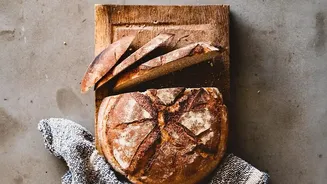
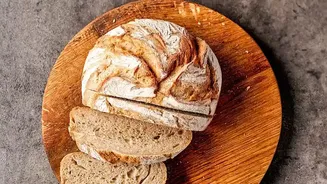
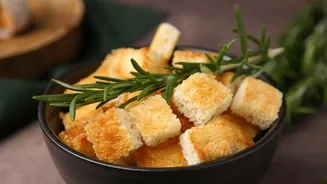
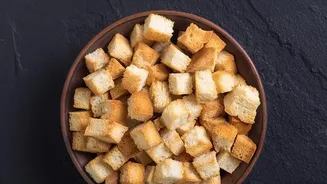
While traditional Panzanella often uses a salt-free Tuscan loaf, many modern cooks and chefs agree that sourdough is a fantastic, if not superior, choice. Unlike softer breads that can turn to mush, a good sourdough has a robust crust and a dense, chewy crumb. This structure allows it to hold its shape beautifully, even after marinating in the dressing. Tearing the sourdough into rustic, bite-sized pieces creates more nooks and crannies, providing a varied texture and more surface area to soak up flavour. Many recipes now suggest toasting the stale sourdough cubes in the oven with a little olive oil. This step enhances the bread's flavour and gives it a crispy exterior that contrasts wonderfully with its softening interior as it sits in the salad.
The Heart of the Matter: Tomatoes
A great Panzanella is defined by its tomatoes. This is a summer salad, designed to celebrate produce at its peak. Use the best, ripest, most flavourful tomatoes you can find, such as heirlooms or sweet cherry tomatoes. The juices from the tomatoes are not a byproduct; they are a key ingredient. A common technique is to chop the tomatoes and salt them in a colander set over a bowl. This process draws out their flavourful liquid, which then becomes the base for your vinaigrette. This ensures that the very essence of the tomato infuses every part of the salad, especially the bread. Originally, Panzanella was made with just onions and bread; tomatoes were not added until they became common in Italian cuisine centuries after their introduction from the Americas.
Assembling the Perfect Salad
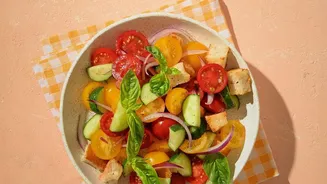
Once your bread is toasted and your tomatoes have released their juices, assembly is simple. The classic components are few, showcasing their quality. Thinly sliced red onion, crisp cucumber, and fresh basil are the traditional companions to the bread and tomatoes. In a large bowl, you will create the dressing, often starting with the collected tomato juice. Whisk in good quality extra-virgin olive oil, a splash of red wine vinegar, and seasoning. Combine the vegetables with the dressing first, then gently fold in the toasted sourdough cubes and torn basil leaves. The final, and perhaps most crucial, step is to let the salad rest for about 20 to 30 minutes before serving. This allows the bread to perfectly absorb the dressing and juices, marrying all the flavours together into a harmonious dish.