



Start with a Comforting Porridge
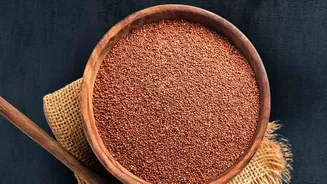
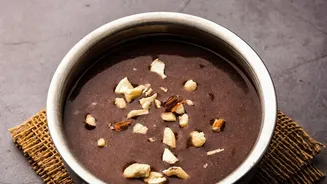
The simplest and most traditional way to consume ragi is as a porridge, often called ragi malt or kanji. It’s a wonderfully versatile breakfast for all ages. For a sweet version, whisk ragi flour with a bit of cold water to make a lump-free paste, then
cook it with milk or water until it thickens. Add a touch of jaggery and a pinch of cardamom for a warm, nourishing start to your day. For a savoury alternative, cook the ragi in water and let it cool before mixing it with buttermilk, salt, and finely chopped onions for a refreshing and cooling meal. This method is not only quick but also highly digestive and energy-boosting.
Upgrade Your Daily Roti
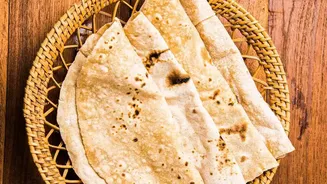
One of the most effective ways to use ragi more often is to incorporate it into your daily flatbreads. You don't have to go all-in at once. Start by replacing 25% of your regular wheat flour with ragi flour when making chapati dough. As you get used to the taste and texture, you can increase the proportion. A key tip for soft ragi rotis is to knead the dough with hot water. This helps make the gluten-free flour more pliable and easier to roll. These earthy, nutrient-dense rotis are an excellent source of dietary fibre and pair perfectly with any dal or sabzi.
Whip Up Instant Ragi Dosas
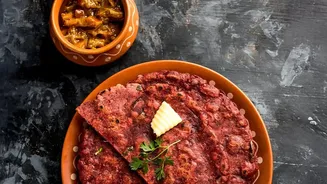
Craving a crispy dosa without the long hours of soaking and fermentation? Instant ragi dosa is your answer. Simply create a thin, watery batter by whisking ragi flour with rice flour, a little semolina (rava), and water. To this, you can add finely chopped onions, green chillies, ginger, and coriander leaves for extra flavour. The trick to a crispy texture is to pour the very thin batter onto a hot tawa from a height, allowing it to form a lace-like pattern. It's a quick, healthy, and satisfying meal for breakfast or dinner that’s packed with nutrients.
Give Your Baking a Healthy Twist
Ragi flour's earthy, nutty flavour lends itself surprisingly well to baked goods. You can easily make healthier versions of your favourite cakes, muffins, and cookies. Start by substituting about 30% of the all-purpose or wheat flour in your recipe with ragi flour. It pairs exceptionally well with ingredients like chocolate, banana, and jaggery. Because ragi is very absorbent, you might need to add a little extra liquid like milk or yoghurt to keep the batter moist. Making eggless ragi chocolate cake or cookies is a fantastic way to offer a nutritious treat that even kids will enjoy.
Make Nourishing Idlis
Soft, fluffy idlis can also get a ragi-boost. For those who plan ahead, you can add ragi flour to your traditional fermented idli batter made from urad dal and rice. But for a quicker option, instant ragi idlis are a game-changer. These can be made by mixing ragi flour with semolina (rava), curd, and a leavening agent like fruit salt (Eno). Let the batter rest for about 20 minutes before steaming. The resulting idlis are soft, dark-hued, and a great way to serve a protein and calcium-rich meal that is easy on the stomach.
Use It as a Natural Thickener
Here’s a simple hack you might not have considered: use ragi flour as a thickening agent for soups, stews, and gravies. Just like cornflour, you can make a slurry by mixing a teaspoon or two of ragi flour with cold water until it forms a smooth paste. Whisk this slurry into your simmering curry or soup, and it will help achieve a richer consistency while adding a subtle nutritional boost. It works particularly well in lentil-based dishes and vegetable stews, adding to the fibre content and making the meal more wholesome.