





Almond Butter: The All-Rounder
Often hailed as a top contender for the healthiest nut butter, almond butter offers a fantastic balance of nutrition and taste. It's slightly milder and less overpowering than peanut butter, with a smooth, satisfying texture. Nutritionally, it's a powerhouse,
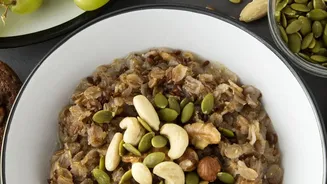
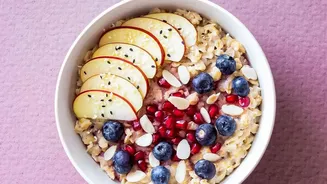
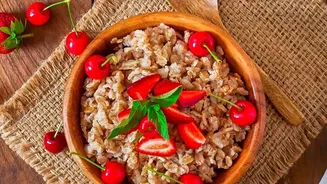
boasting more vitamin E, calcium, and fibre than its peanut counterpart. Vitamin E is a powerful antioxidant, while the fibre helps you feel full longer. It's also packed with heart-healthy monounsaturated fats. Almond butter's versatility is a major plus. Spread it on whole-grain toast, swirl it into a bowl of oatmeal, blend it into your morning smoothie for a protein boost, or simply use it as a dip for apple slices. When shopping, look for brands with a simple ingredient list—ideally just almonds and a pinch of salt—to avoid added sugars and oils.
Cashew Butter: The Creamy Dream
If you prize texture above all, cashew butter is your go-to. It’s naturally creamier and has a milder, slightly sweet flavour that makes it feel like an indulgence. This butter is a great source of essential minerals like copper, magnesium, and phosphorus, which support everything from energy metabolism to bone health. While it is lower in fibre compared to other nut butters, it is rich in monounsaturated fats that are beneficial for heart health by helping to lower 'bad' LDL cholesterol. Its natural creaminess makes it an excellent base for vegan sauces and desserts. For breakfast, its subtle sweetness is perfect for drizzling over pancakes, blending into a smoothie for a silky texture, or mixing into yoghurt. Because it is naturally sweet, it doesn't need added sugars to taste great.
Walnut Butter: The Brain-Booster
Walnut butter is a rising star in the world of nut spreads, largely thanks to its exceptional nutritional profile. It has a uniquely earthy, slightly robust flavour that sets it apart. Its biggest claim to fame is its high concentration of alpha-linolenic acid (ALA), a plant-based omega-3 fatty acid. These fats are crucial for brain function and heart health, and they possess anti-inflammatory properties. In fact, walnuts are one of the best plant-based sources of omega-3s. Walnuts are also packed with antioxidants like polyphenols and vitamin E that help protect your cells from damage. The distinct taste of walnut butter pairs beautifully with sweet foods; try it on toast with a drizzle of honey, mixed into warm oatmeal with banana slices, or blended into a rich, nutty smoothie. Due to its high content of delicate fats, it's best to store walnut butter in the fridge to keep it from going rancid.
Pistachio Butter: The Gourmet Choice
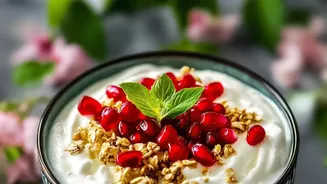
For a truly unique and luxurious breakfast experience, look no further than pistachio butter. With a rich, distinctive flavour that is both nutty and slightly sweet, it has a vibrant green hue that makes any dish look more appealing. While once considered a niche item, it has been gaining mainstream popularity. You can use pistachio butter just like any other nut spread: slathered on sourdough toast, drizzled over a bowl of Greek yoghurt, or blended into a smoothie for a beautiful colour and flavour boost. Its unique taste also makes it a fantastic ingredient for more creative breakfast dishes like pistachio pancakes or as a filling for stuffed dates. While it can be pricier than other options, its one-of-a-kind taste and gourmet appeal make it a worthy treat.
Hazelnut Butter: The Decadent Delight
Often associated with popular chocolate spreads, pure hazelnut butter is a delicious and healthy option on its own. It has a rich, toasted, and slightly sweet flavour that feels incredibly decadent. Hazelnuts are a great source of monounsaturated fats, particularly oleic acid, which is also found in heart-healthy olive oil. They also provide a good amount of vitamin E, manganese, and folate, a B-vitamin crucial for cell growth. For a healthier take on a classic, you can mix your own hazelnut butter with a bit of unsweetened cocoa powder and a touch of maple syrup. It’s a natural fit for sweet breakfast applications—spread it on crepes or warm toast, stir it into oatmeal, or blend it with bananas and cacao for a dessert-like smoothie that's still packed with nutrients.