






The Danger of Drowning Roots
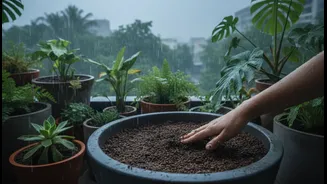
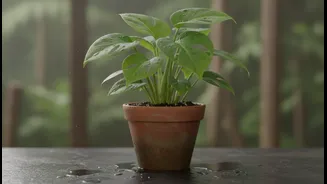
The single biggest threat to potted plants during the monsoon is waterlogged soil. While the rains feel like a blessing, they can easily become a curse if water has nowhere to go. When roots sit in stagnant water, they are deprived of oxygen, leading
to a condition called root rot. This is often a silent killer; the first signs you might notice are yellowing leaves or a wilting plant, even when the soil is wet. To prevent this, two areas need your immediate and constant attention: the saucers under your pots and the drainage holes in them. A well-draining potting mix is your first line of defence, but it can't work if the escape routes are blocked. Incorporating materials like compost or perlite can improve soil structure and prevent compaction.
Empty Saucers and Clear Holes
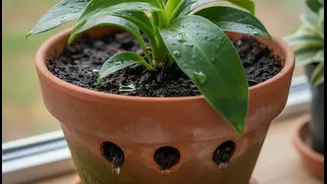
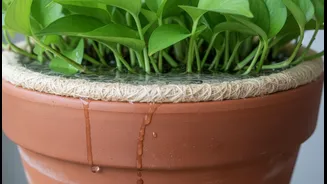
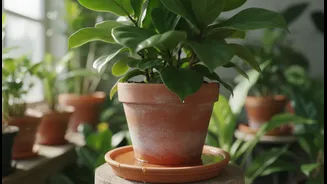
Plant saucers, also called drip trays, are notorious for collecting rainwater. If left unchecked, this standing water keeps the bottom layer of soil perpetually saturated, suffocating the roots. Make it a daily habit to empty any water that has collected in the saucers. An even better practice is to elevate your pots slightly using pot feet or bricks, which creates an air gap and ensures water can drain away freely. At the same time, you must inspect the drainage holes themselves. Over time, they can get clogged with compacted soil or small roots. Use a small stick or a skewer to gently poke through the holes and ensure they are clear, allowing excess water to escape efficiently. If a pot consistently gets waterlogged despite these efforts, the soil itself may be too dense and require repotting into a more porous mix.
Manage Crowded Growth for Airflow
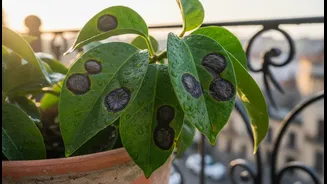
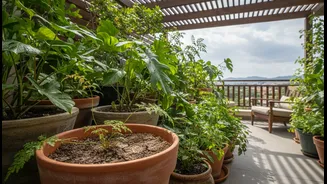
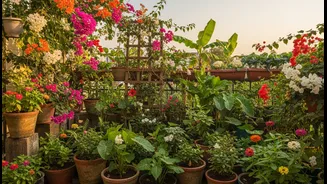
The monsoon's high humidity and abundant water cause plants to grow rapidly, often leading to dense, crowded foliage. While this lushness looks beautiful, it creates a micro-environment with poor air circulation. When leaves are packed tightly together, they stay wet for longer after a shower, creating the perfect breeding ground for fungal diseases like powdery mildew, leaf spot, and rust. These diseases thrive in damp, stagnant conditions. To combat this, strategic pruning is essential. Trim branches that are growing into the centre of the plant to open it up. Remove any yellow, dead, or diseased leaves immediately to prevent the spread of infection. This not only improves airflow but also allows sunlight to penetrate deeper into the plant, helping the foliage dry faster and reducing disease risk significantly.
A Watchful Eye for Pests and Disease
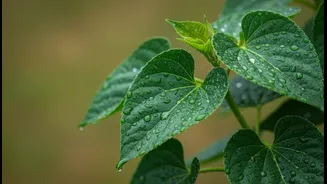
Beyond drainage and pruning, vigilance is key. The warm, wet conditions that fungi love are also ideal for common pests like mealybugs, aphids, slugs, and snails. Inspect your plants regularly, paying close attention to the undersides of leaves and the joints where stems meet. Catching an infestation early makes it much easier to manage. Fungal infections often appear as white or grey patches, or brown and yellow spots on leaves. If you spot any signs of disease, prune the affected parts immediately and dispose of them far from your garden to prevent further spread. Using a preventative organic spray, like neem oil, every 10-15 days can also help ward off both pests and fungal attacks. Simple, consistent care is the most effective way to ensure your garden doesn't just survive the monsoon, but actively flourishes in it.