



A Link Forged in the Stars
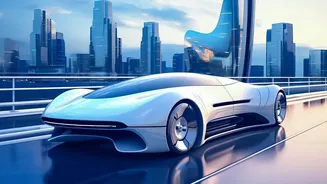
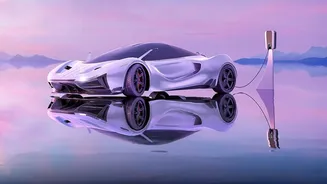
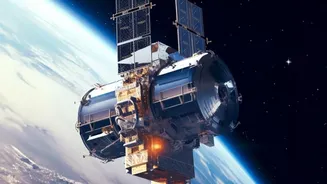
Tesla recently confirmed that its purpose-built robotaxi, the Cybercab, will come standard with a SpaceX Starlink terminal integrated directly into the vehicle. The announcement was made through posts on social media platform X and new hardware diagrams
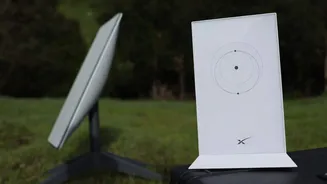
displayed at Tesla showrooms, ending months of speculation. Unlike the prototypes that featured antennas crudely bolted to the exterior, the final design neatly tucks the latest Starlink V5 hardware into the Cybercab’s body. This marks the first time a Tesla vehicle will ship with built-in satellite connectivity, a significant step in the evolution of the company's autonomous fleet. This corporate synergy provides SpaceX with a massive potential customer in Tesla, which plans to mass-produce the Cybercab.
More Than Just a Hotspot
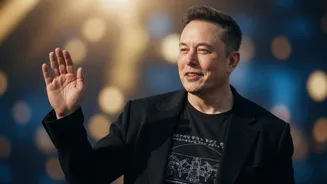
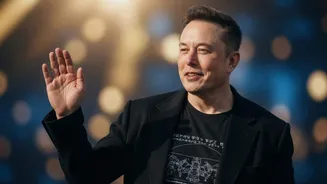
The immediate benefit for passengers is obvious: high-speed, reliable internet access. Elon Musk himself highlighted the entertainment possibilities, suggesting riders could stream 4K video while the Cybercab handles the driving. In a driverless vehicle where the passenger is a guest, providing a seamless online experience for work or leisure becomes a key selling point. The system will use the newly released Starlink V5 terminal, which is smaller, lighter, and more power-efficient than previous models—a crucial consideration for an electric vehicle where every watt counts. While current ride-hailing passengers rely on their own mobile data, the Cybercab aims to offer a premium, connected cabin experience as part of the service.
The Connectivity Conundrum
While passenger entertainment is a great perk, the primary reason for integrating Starlink is far more strategic. Tesla's Head of AI, Ashok Elluswamy, clarified that the satellite link is not for safety-critical driving functions. The vehicle’s Full Self-Driving system operates independently using its onboard computer and sensors. Instead, the constant connectivity is for fleet management. It provides a robust, redundant data link for Tesla’s operations team to handle remote support, navigation updates, and dispatching. The Cybercab also has a 5G LTE antenna, but Starlink ensures the fleet remains connected even in areas with weak or non-existent cellular coverage, future-proofing the service for expansion into less urbanised areas.
What About the Launch?
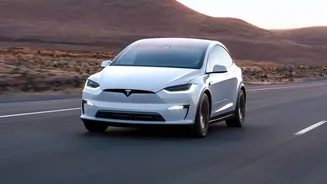
The announcement of Starlink integration arrives as Tesla's robotaxi service continues its gradual rollout. The service is already live in several US cities, including Austin, Dallas, Miami, Orlando, and Tampa. However, these fleets currently use modified Model Y vehicles, not the futuristic, two-seater Cybercab that will feature the Starlink technology. The headline's mention of pending "Commercial Launch Details" is apt. While the underlying service is operational and expanding aggressively, the debut of the purpose-built Cybercab on public roads remains the next major milestone. Tesla has not given a firm date for when the first paying customer will ride in a Starlink-equipped Cybercab, making this technological reveal a glimpse into the next phase of its autonomous strategy.