






Know Your Unwanted Guests
Before you can win the battle, it helps to know the enemy. Common pantry pests include Indian meal moths, flour beetles, and weevils. These insects are not just a nuisance; they contaminate food with their bodies, webbing, and waste, sometimes spoiling
far more than they consume. Many of these pests enter our homes through already infested products from the store, hiding in cardboard boxes or plastic bags. They thrive in warm, dark, and undisturbed places, making your pantry an ideal breeding ground if left unchecked.
The Airtight Container Defense
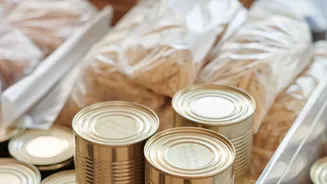
Your first and most effective line of defense is proper storage. The original paper, cardboard, or thin plastic packaging of most dry goods is no match for a determined pest. Transfer items like flour, rice, pasta, spices, and cereals into airtight containers made of glass, metal, or high-quality, BPA-free plastic. This simple act serves two purposes: it creates an impenetrable barrier and it traps food odours that act like a homing beacon for insects. When pests cannot smell a potential meal, they are much less likely to seek it out.
Combat the Attraction of Moisture
Pests, like all living things, need water to survive. High humidity creates an environment where they flourish. Kitchens and pantries, especially in more humid climates, can become hotspots. Moisture can come from leaky pipes, condensation, or even just the ambient air. It encourages the growth of mould, which some pests feed on, and it makes your pantry a more comfortable home for them. Ensure your pantry is dry by fixing any leaks, wiping up spills immediately, and considering the use of a dehumidifier in very damp areas. A dry environment is significantly less attractive to pests like weevils and certain beetles.
The Power of a Clean Pantry
Crumbs and spills are an open invitation for pests to feast. A small sprinkle of flour or a few grains of rice in a dark corner is enough to sustain an infestation. Regular cleaning is non-negotiable. Aim to wipe down your pantry shelves frequently. Every few months, perform a deep clean: empty the pantry completely, vacuum every crack and corner, and wash the shelves with soapy water or a vinegar solution. This removes the hidden food sources that allow pest populations to build up unnoticed. Cleanliness denies them the fuel they need to multiply.
Smart Shopping and Stock Rotation
Prevention starts before you even get home. At the grocery store, inspect packages for any signs of damage, such as tiny holes or tears, which could indicate a pre-existing infestation. Once home, practice the 'first in, first out' method of stock rotation. Store newer items at the back and move older ones to the front. This ensures you use products before they become old and forgotten, reducing the chance of an overlooked infestation taking hold. For extra security, you can freeze new bags of flour or grains for a week before storing them to kill any potential eggs or larvae.
Natural Repellents as a Bonus
While not a substitute for cleaning and proper storage, some natural repellents can help deter pests. Placing a few bay leaves inside your flour and grain containers is a classic trick believed to repel weevils and other insects. Small sachets of cloves, cedar chips, or peppermint can also be placed in the corners of your pantry to create a less appealing environment for pests. Think of these as a final layer of security in your fortress-like pantry.