







Redefining a 'Sustainable' Diet
When we talk about a sustainable food approach for muscle gain, we're looking at it through two important lenses. The first is environmental sustainability—choosing foods that have a lower carbon footprint and require fewer resources to produce. The second
is personal sustainability. This means adopting an eating pattern that you can maintain long-term without feeling overly restricted, which is crucial for consistent progress. It’s about creating a lifestyle, not just following a temporary diet. This dual approach focuses on nutrient-dense whole foods that fuel your body effectively and can be part of a balanced diet that fits into your everyday life, much like traditional Indian eating patterns that can be adapted for modern fitness goals.
The Power of Plant-Forward Proteins
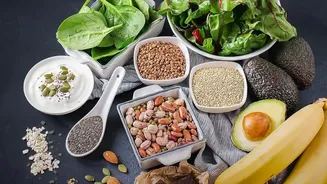
You don't need to rely solely on animal products to build muscle. Plant-based diets can effectively support muscle mass gain when planned correctly. Many plant-based foods are packed with the protein necessary for muscle repair and growth. Excellent sources include lentils, chickpeas (chana), kidney beans (rajma), tofu, tempeh, and quinoa. Combining different plant proteins, like rice and beans, can ensure you get all the essential amino acids your body needs to build muscle, forming a 'complete protein'. Including a variety of these foods not only supports muscle synthesis but also provides fibre and other vital nutrients.
Mindful Meat and Dairy Choices
For those who include animal products in their diet, a sustainable approach emphasizes quality over quantity. Instead of high consumption of red meat, which has a significant environmental impact, consider lower-footprint options like chicken and eggs. When choosing dairy, options like organic milk from grass-fed cows can be a more sustainable choice. A food-first approach is often beneficial; studies have shown that whole foods like milk and eggs can stimulate muscle protein synthesis effectively, sometimes even more so than isolated supplements, due to the natural matrix of nutrients they contain. This matrix includes fats, vitamins, and minerals that work together to support your body's muscle-building processes.
Embrace Whole Foods for Overall Support
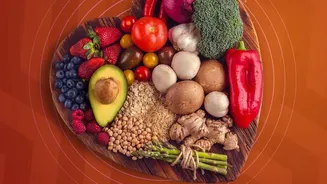
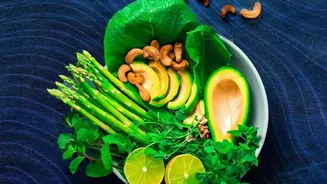
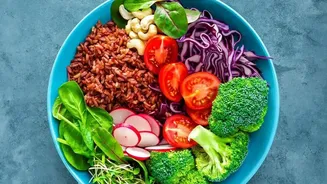
Building muscle isn't just about hitting a protein target. Your body needs a full spectrum of nutrients to perform, recover, and grow. A sustainable diet is built on a foundation of whole foods. Complex carbohydrates like millets, oats, and brown rice provide sustained energy for your workouts. Healthy fats from sources like nuts, seeds, and avocados are essential for hormone production and overall health. Fruits and vegetables are rich in micronutrients and antioxidants that help your body recover and function optimally. Focusing on whole foods over processed alternatives ensures you're getting a wider array of nutrients that support not just muscle growth, but your entire well-being.
Nutrient Timing and Meal Structure
To maximize your results, it's helpful to structure your meals strategically. Aim to distribute your protein intake evenly across four to six smaller meals throughout the day. This provides your muscles with a steady supply of amino acids. Consuming a protein-rich meal or snack within a couple of hours after your workout can help kickstart the muscle repair and growth process, known as muscle protein synthesis. An effective post-workout meal could be as simple as Greek yoghurt with fruit, a serving of dal with roti, or a smoothie with plant-based protein. The key is consistency and ensuring your body has the fuel it needs when it needs it most.