




A Journey Decades in the Making
The Udhampur-Srinagar-Baramulla Rail Link (USBRL) is more than just a train route; it's a testament to perseverance and modern engineering. The 272-kilometre line, which was declared completed in early 2026, has been one of the most challenging railway
projects undertaken in the Indian subcontinent. For years, the mountainous terrain isolated the valley, making the region accessible primarily by a single, often treacherous, road. This all-weather rail line promises to revolutionize connectivity, boosting not only tourism but also the local economy by ensuring a reliable flow of goods and people throughout the year. The project was completed in several phases over nearly three decades, with the final, most challenging section between Katra and Banihal finished in 2025, finally bridging the gap.
An Experience Forged in Steel and Glass
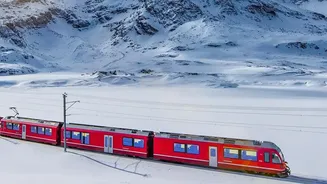
The true magic of the Kashmir Railway lies in the experience it offers passengers. To maximize the visual spectacle, Indian Railways introduced Vistadome coaches on the route. These specially designed carriages feature panoramic glass windows, transparent roofs, and seats that rotate 360 degrees, ensuring no one misses the stunning landscapes. As the train glides through the valley, passengers are treated to a seamless panorama of snow-capped peaks, verdant meadows, and charming villages. The journey from Banihal to Baramulla, running parallel to the Jhelum river, offers views of saffron fields and apple orchards, creating a moving postcard of Kashmir's idyllic beauty. The Vistadome service, initially running between Budgam and Banihal, has become a major tourist attraction in itself.
Marvels of Modern Engineering
The route is lined with engineering wonders born out of necessity. The most talked-about is the Chenab Rail Bridge, which stands as the world's highest railway bridge. Soaring 359 metres above the riverbed, it is an architectural icon that has become a destination in its own right. Equally impressive is the Anji Khad Bridge, India's first cable-stayed railway bridge. This asymmetrical structure is supported by 96 cables anchored to a single, towering pylon, a design dictated by the challenging geology of the gorge it spans. The line also navigates the Pir Panjal range through a series of long tunnels, including the 11.2-kilometre Banihal-Qazigund tunnel, which is one of the longest in the country.
A New Jewel in India’s Railway Crown
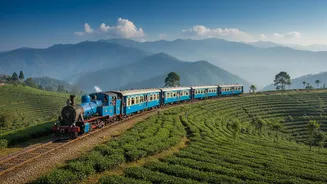
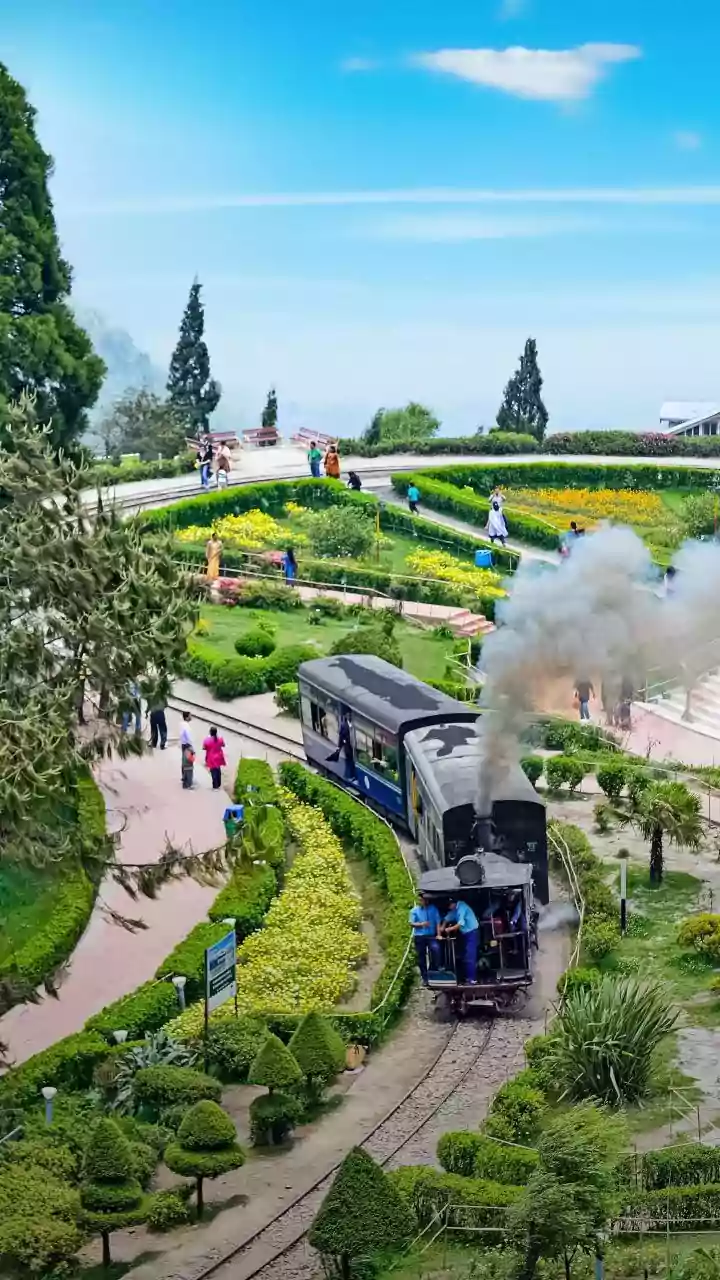
With its dramatic landscapes and state-of-the-art travel experience, the Kashmir Railway now stands proudly alongside India’s other iconic scenic train journeys. For years, routes like the Darjeeling Himalayan Railway and the Kalka-Shimla Railway—both UNESCO World Heritage Sites—have defined mountain rail travel in India, charming passengers with their narrow-gauge tracks and colonial-era engineering. The Nilgiri Mountain Railway in the south offers its own unique vistas. The Kashmir line brings a different kind of grandeur to the table: broad-gauge comfort combined with 21st-century engineering, set against the unparalleled backdrop of the mighty Himalayas. It doesn't just connect a region; it elevates the very idea of what a scenic railway journey in India can be.