




Two Spices, One Name
The world of cinnamon is primarily split into two main varieties: Cassia and Ceylon. What you find in most supermarkets is Cassia cinnamon. It’s cultivated widely across Southeast Asia, is relatively inexpensive, and has a strong, spicy-sweet flavour
that most of us associate with the word “cinnamon”. Ceylon cinnamon, on the other hand, is known as “true cinnamon.” It’s native to Sri Lanka and southern India, is more expensive, and has a lighter, more delicate, and subtly sweet taste. The difference isn’t just about price and flavour; it’s about a naturally occurring compound that has significant health implications for daily users.
The Coumarin Concern
The key difference between Cassia and Ceylon cinnamon lies in their concentration of a compound called coumarin. While naturally present in both, Cassia cinnamon contains significantly higher levels. Studies show that Cassia can have up to 1% coumarin, whereas Ceylon cinnamon contains only trace amounts, often around 0.004%—making the coumarin content in Cassia up to 250 times higher. This matters because, in high doses, coumarin has been shown to be potentially harmful, particularly to the liver.
Understanding the Health Risks
Health authorities like the European Food Safety Authority (EFSA) have established a tolerable daily intake (TDI) for coumarin, which is set at 0.1 milligrams (mg) per kilogram of body weight. For an adult weighing around 70 kg, this translates to a limit of about 7 mg of coumarin per day. Consuming more than this on a regular basis may increase the risk of liver damage, especially in sensitive individuals. Because Cassia cinnamon can be so high in coumarin, it's surprisingly easy to exceed this daily limit. A single teaspoon of some Cassia powders can contain between 5 and 12 mg of coumarin, potentially putting you over the recommended safe threshold with just one serving. For this reason, those taking medications that affect the liver should be especially cautious.
How to Tell Them Apart
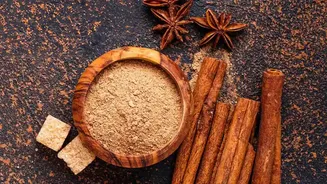
If you're now wondering what kind of cinnamon is in your kitchen, there are a few ways to tell. For cinnamon sticks, the difference is clear. Cassia sticks are very hard, thick, and curl inward from one side, forming a hollow tube. Ceylon sticks, often called quills, are made of many thin, fragile layers rolled together like a cigar and crumble easily. For powdered cinnamon, it’s harder to distinguish by sight alone, but Cassia tends to be a darker, reddish-brown, while Ceylon is a lighter tan colour. The most reliable indicator for powder is the label: if it just says “cinnamon,” it’s almost certainly Cassia. Products specifically labeled “Ceylon” or “Cinnamomum verum” are your safest bet for the low-coumarin variety.
When to Choose Ceylon
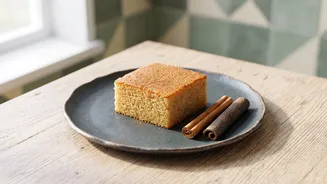
For occasional use in baking or cooking, the type of cinnamon you use likely won't have a major impact. However, if you are a frequent consumer—someone who sprinkles it on your oatmeal every morning, adds it to your daily coffee, or uses it in health supplements—making the switch to Ceylon is a wise choice. Its much lower coumarin levels make it the safer option for regular, long-term consumption. While it is more expensive, its milder, more nuanced flavour is often prized in desserts and drinks where a less overpowering spice is desired. Beyond its safety, Ceylon cinnamon is also rich in antioxidants which can help reduce inflammation and manage blood sugar levels.