



A Curious Postcard from Gale Crater
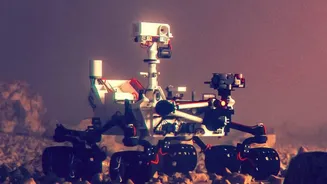
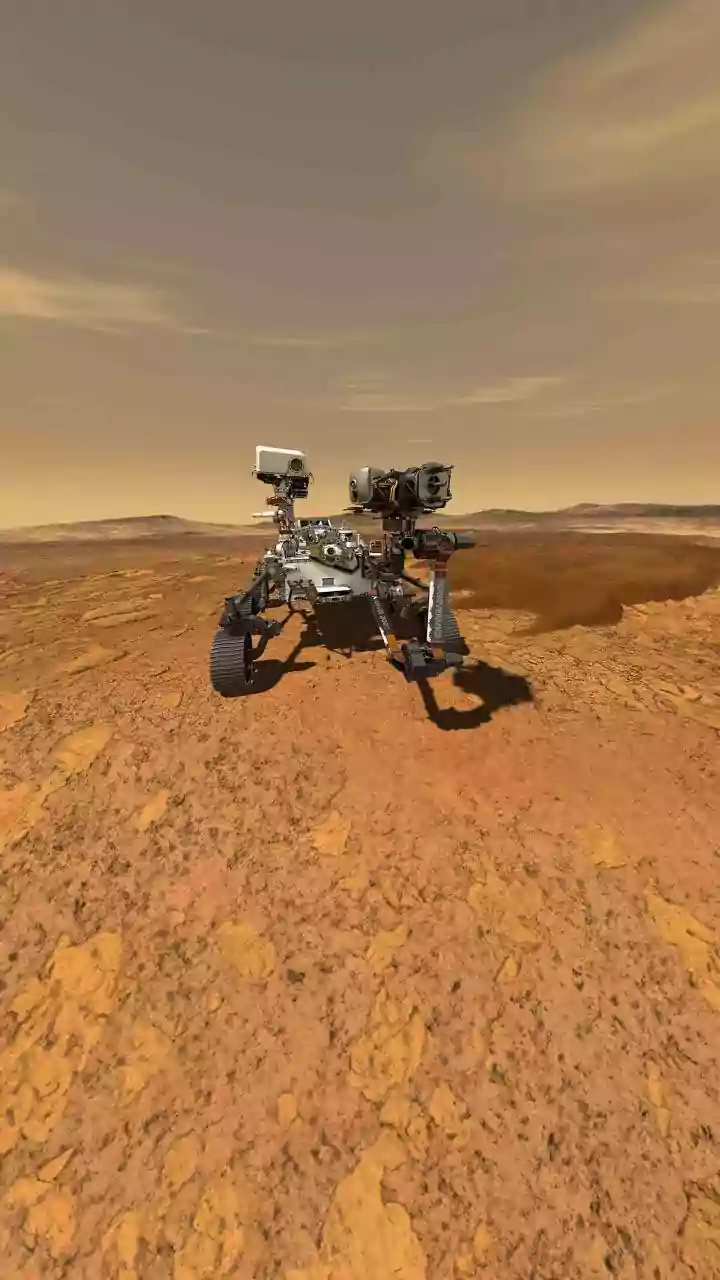
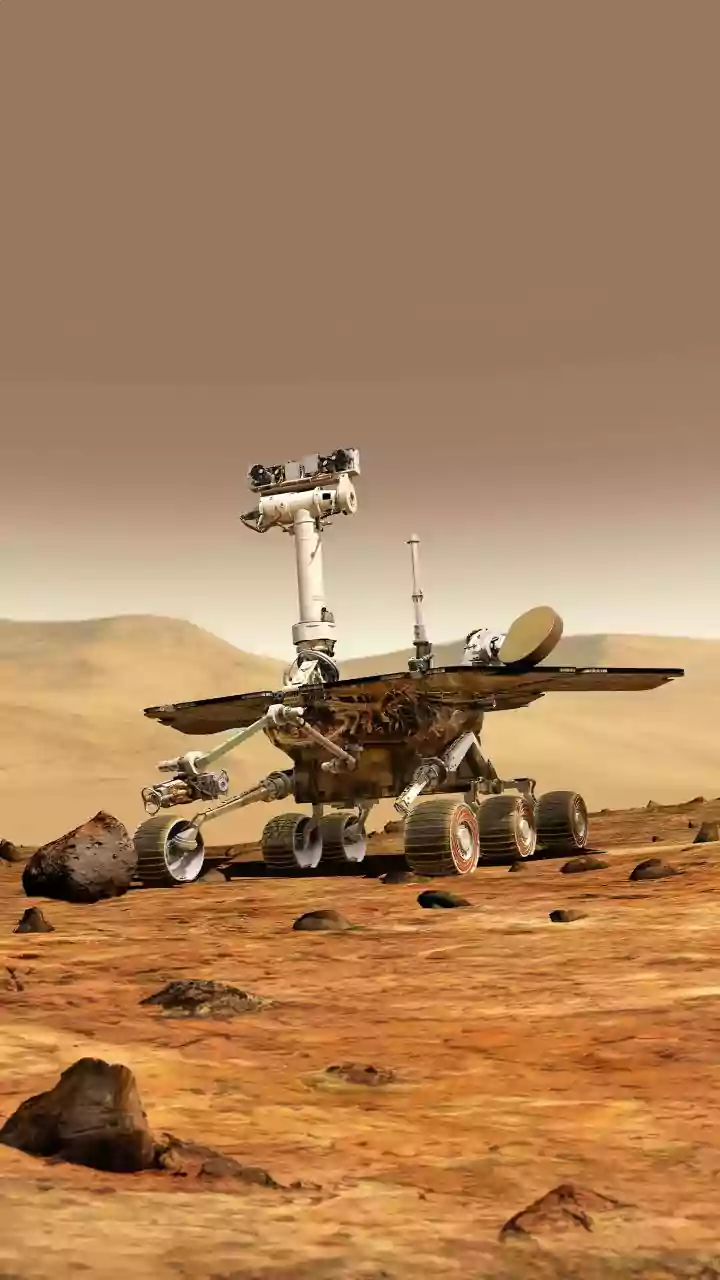
After more than a decade of tireless exploration, you might think Mars has run out of surprises for the Curiosity rover. Yet, the six-wheeled scientist continues to uncover new oddities. The latest mystery comes from a location known as Valle Grande,
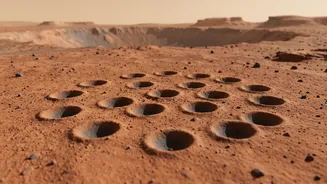
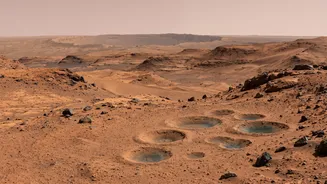
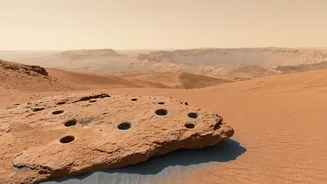
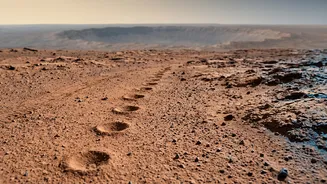
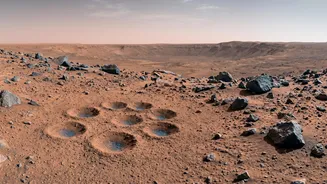
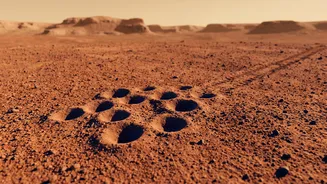
a broad valley on the slopes of Mount Sharp. While traversing this region in August 2026, the rover transmitted images of peculiar pits dotting the bedrock. These aren't the colossal impact craters left by meteorites, but small, shallow divots, some barely a centimetre wide. While holes are not new on a geologically active planet, these specific features stood out as something the science team had not encountered before.
What Makes These Holes So Baffling?
On both Earth and Mars, small cavities in rocks often have a straightforward explanation. Typically, a harder piece of material, like a pebble or a mineral nodule, is embedded in softer surrounding rock. Over eons, the softer rock erodes away, and the harder nodule eventually falls out, leaving a hole behind. The problem with the pits in Valle Grande is that this simple explanation doesn't quite fit. According to NASA scientists, these holes are much broader and shallower than previously observed features. Crucially, there are no obvious pebbles or remnant nodules nearby that would have once filled these depressions, leaving their origin an open question.
Searching for a Geological Explanation
With the most common theory proving insufficient, researchers are now considering other possibilities. The answer is almost certainly geological, but the exact process remains unclear. It could be the result of an unfamiliar erosion pattern, a unique property of this specific type of rock, or a combination of factors not yet understood. To solve the puzzle, the Curiosity team is using the rover's advanced imaging tools. The Mars Hand Lens Imager (MAHLI) has been taking close-up shots, while the Mastcam captures overlapping stereo images. By combining these pictures, scientists can create detailed 3D models of the pits, allowing them to precisely measure their shape and depth, which are critical clues for reverse-engineering their formation.
Part of a Larger Scientific Quest
These strange holes are not the only puzzle in Valle Grande. The rover has also noted rapid changes in the appearance of nearby rock layers, with some grey sections resisting erosion differently than their neighbours. This suggests that the environmental conditions when these layers were deposited billions of years ago may have transformed quickly. This entire region is of immense interest to NASA. Curiosity is ascending Mount Sharp, a massive 5.5-kilometre-high mountain at the centre of Gale Crater. Each layer of the mountain's sedimentary rock is like a page in Mars's history book, holding secrets about its ancient climate and, most importantly, its past potential for harbouring life. Discoveries like these holes, while puzzling, add rich new detail to that story.
The Patient Process of Planetary Science
While it's tempting to jump to extraordinary conclusions, NASA scientists are methodical. There is no suggestion that these holes are artificial or linked to any form of life. The mystery is purely geological, a challenge to our understanding of the forces that shape other worlds. For now, the pits in Valle Grande are another fascinating riddle in a long list of Martian enigmas, from methane spikes in the atmosphere to other strange rock formations. As Dr. Michelle Minitti, a member of the science team, noted, even after 14 years on the surface, Mars continues to surprise. Answering this new question will take time and further analysis of the data Curiosity diligently collects.