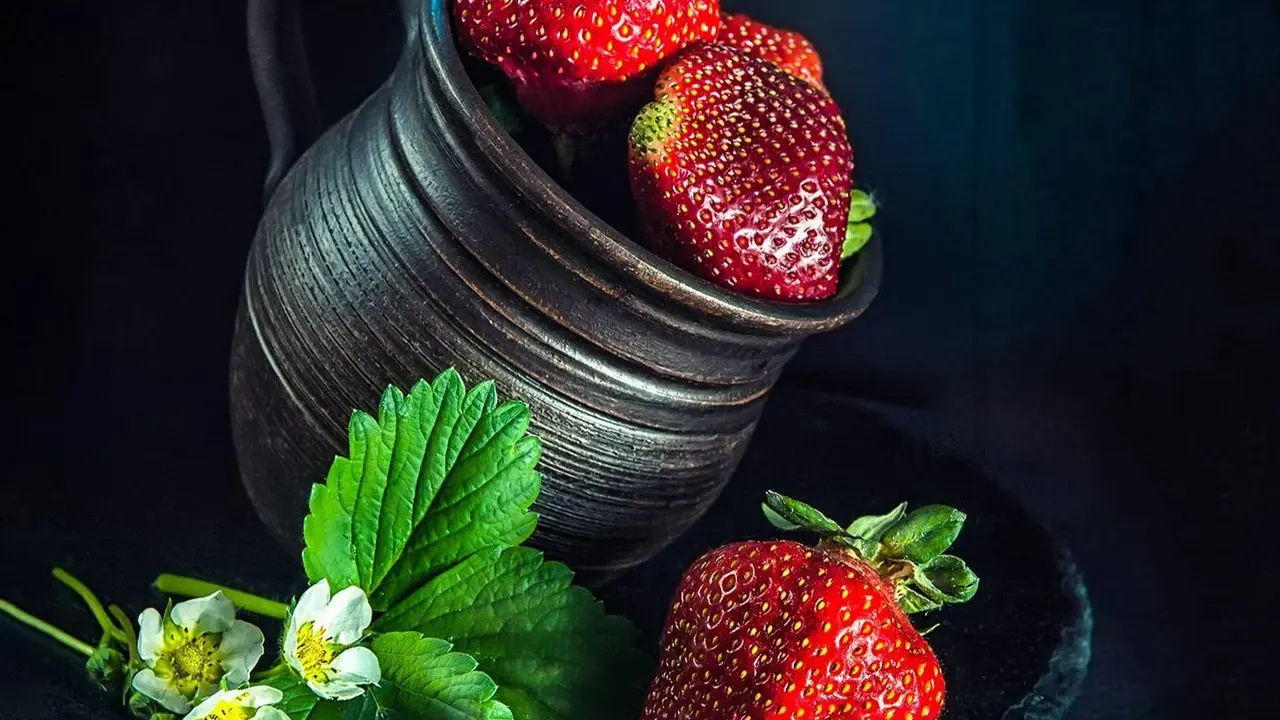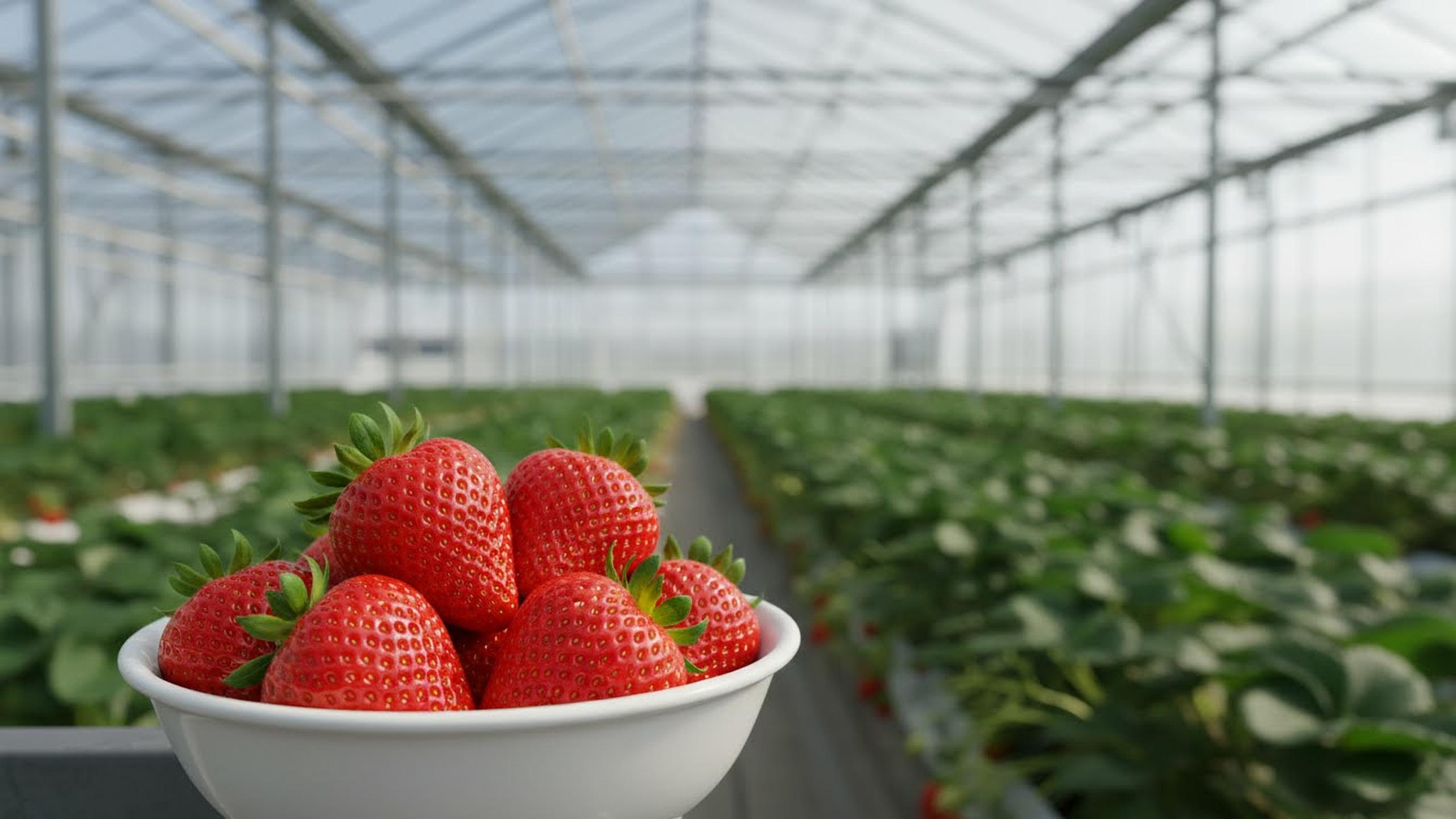






The Foreign Dependence Dilemma
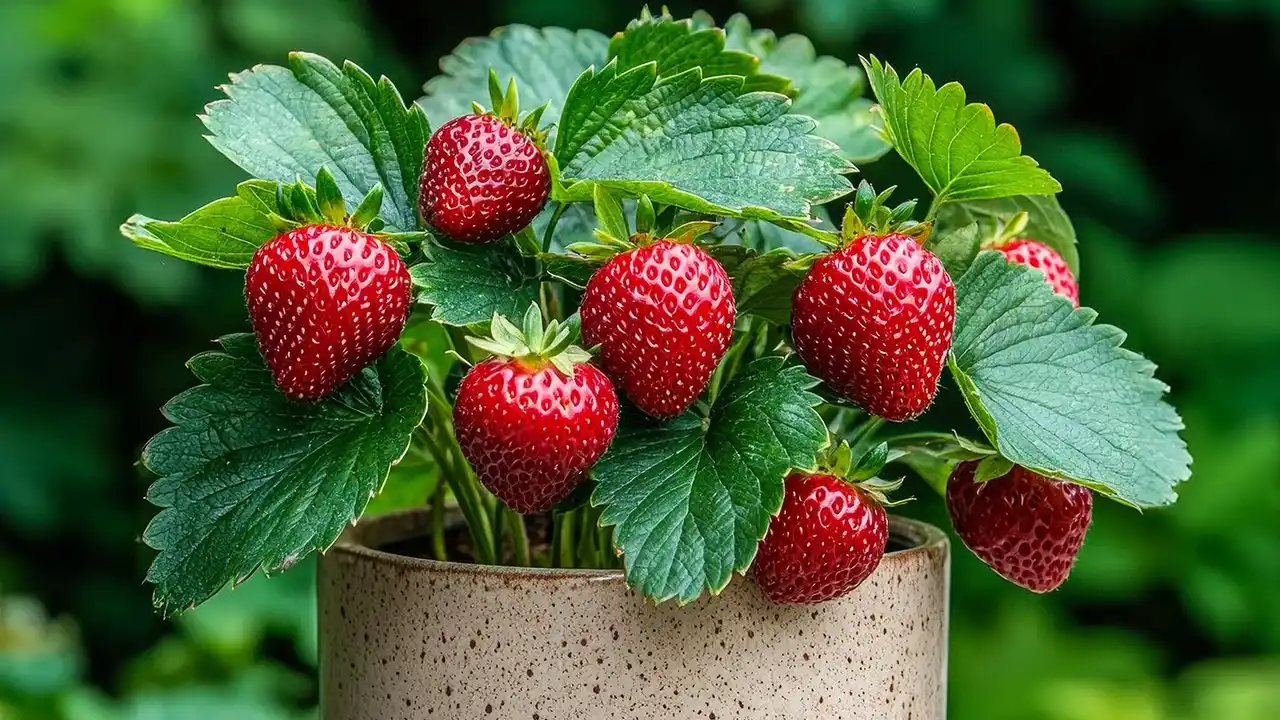
For decades, India's strawberry cultivation has been a story of international borrowing. The country's production, about 85% of which comes from the hills of Mahabaleshwar, has depended almost entirely on plant varieties imported from the United States
and Europe. Farmers primarily cultivate popular Californian varieties like Sweet Charlie, Camarosa, and Winter Dawn. While these plants helped establish the industry, this reliance comes with significant drawbacks. Farmers face high upfront costs, including import duties and licensing fees for the foreign plant material. Furthermore, these varieties were bred for different climates and can struggle with India's diverse weather patterns, soil conditions, and local pests, which can impact crop yields and fruit quality.
A Berry Good Innovation
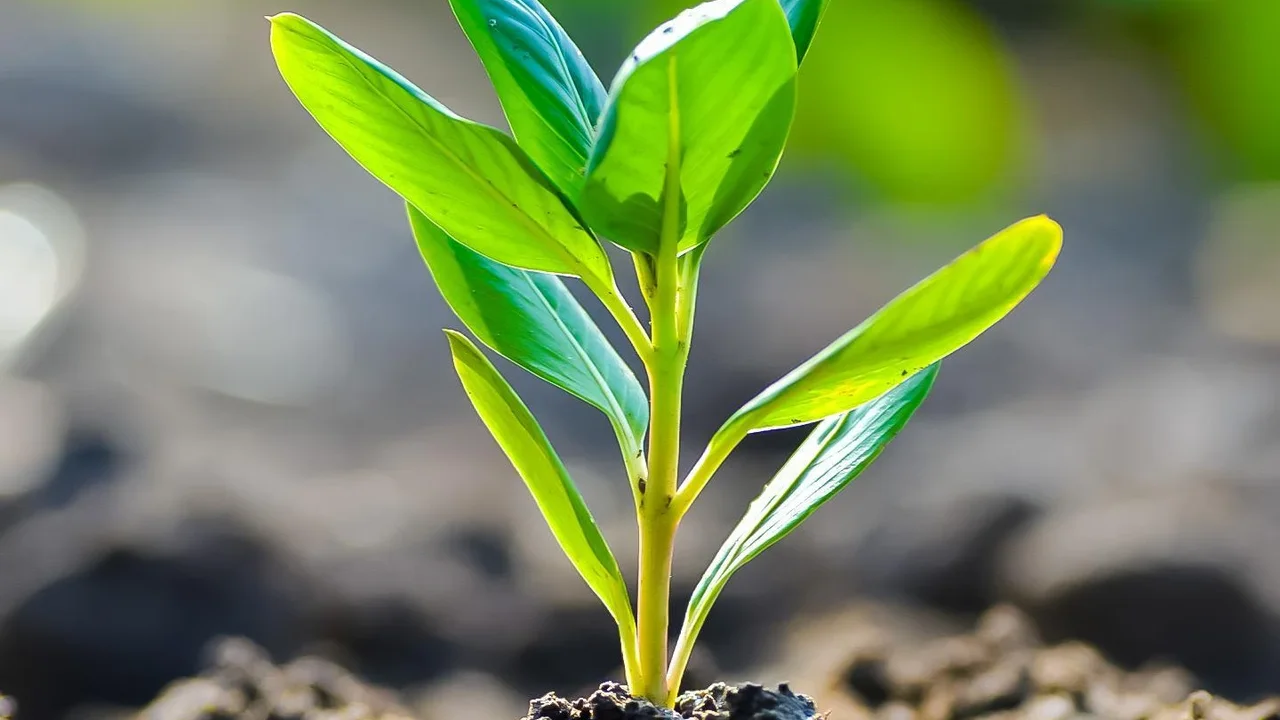
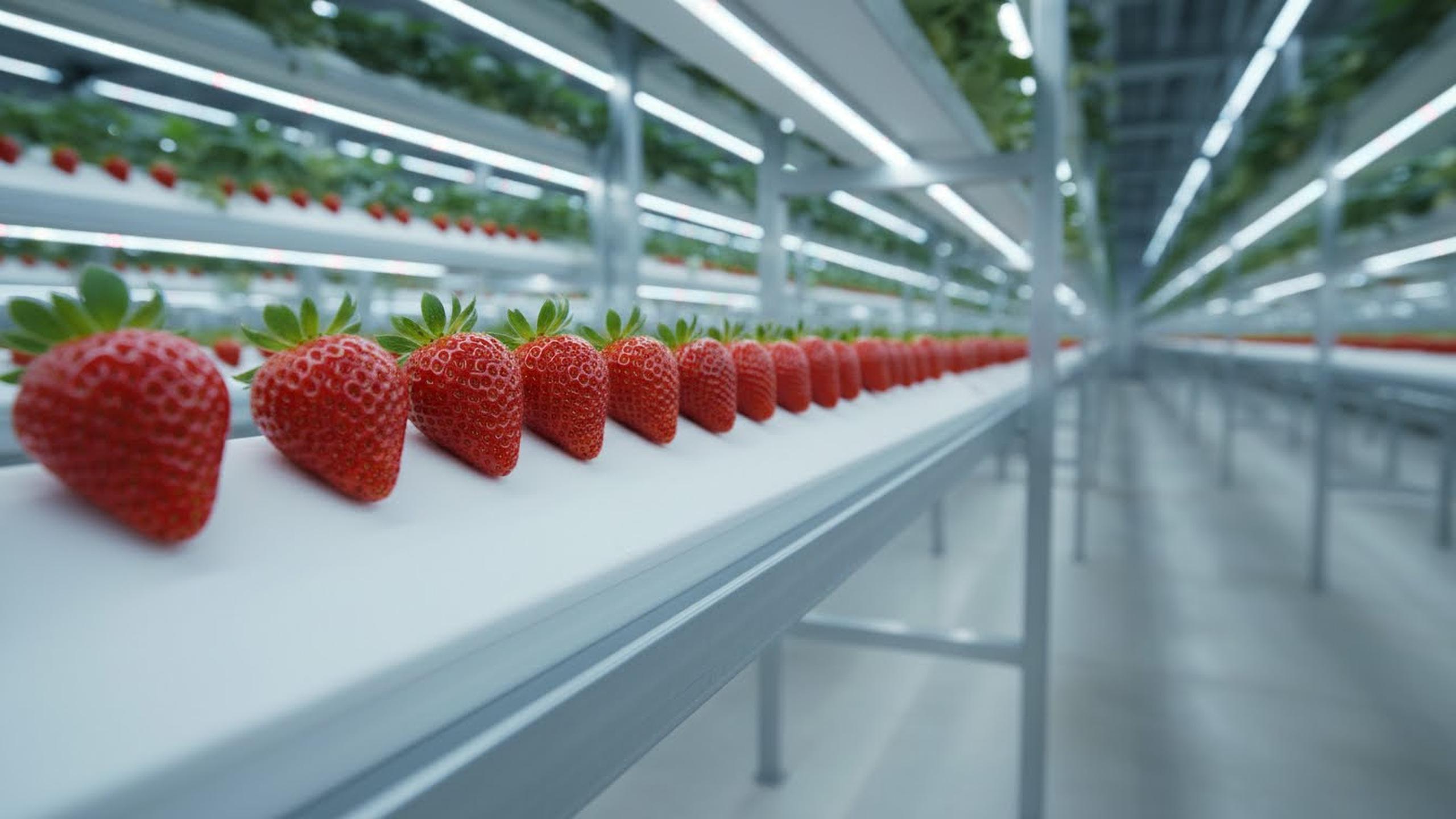
In a concerted push for agricultural self-reliance, Indian research institutions and the government are now championing the development of indigenous strawberry varieties. This initiative is about more than just import substitution; it’s a scientific mission to engineer a better berry for India. The goal is to create new cultivars that are tailor-made for the country's varied agro-climatic zones. Researchers are focused on breeding plants that are naturally resilient to local diseases and can better withstand climatic stress. The ambition is to develop strawberries that not only survive but thrive in Indian conditions, leading to superior yields and a more stable, predictable harvest for farmers across the country.
Sweeter for the Farmer's Wallet
The most immediate and transformative impact of this shift will be felt by the farmers themselves. By developing local varieties, the sector can break free from the expensive cycle of importing plant runners. This would drastically reduce the initial investment required to start a strawberry farm, lowering the barrier to entry and improving profit margins for small and marginal growers. Moreover, plants adapted to local conditions are expected to be hardier and more productive. This could lead to higher yields per acre and reduced losses from disease or climate-related stress, directly boosting a farmer's income and making strawberry cultivation a more economically viable enterprise.
A More Flavorful Future for Consumers
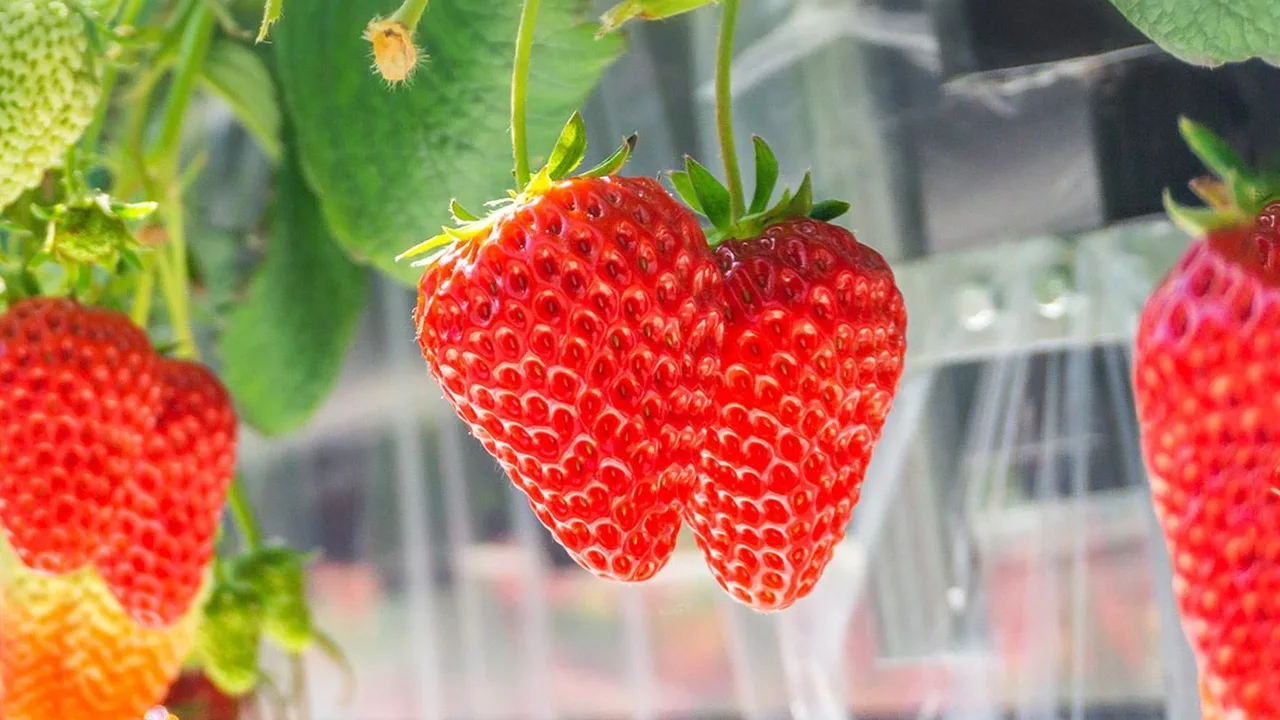
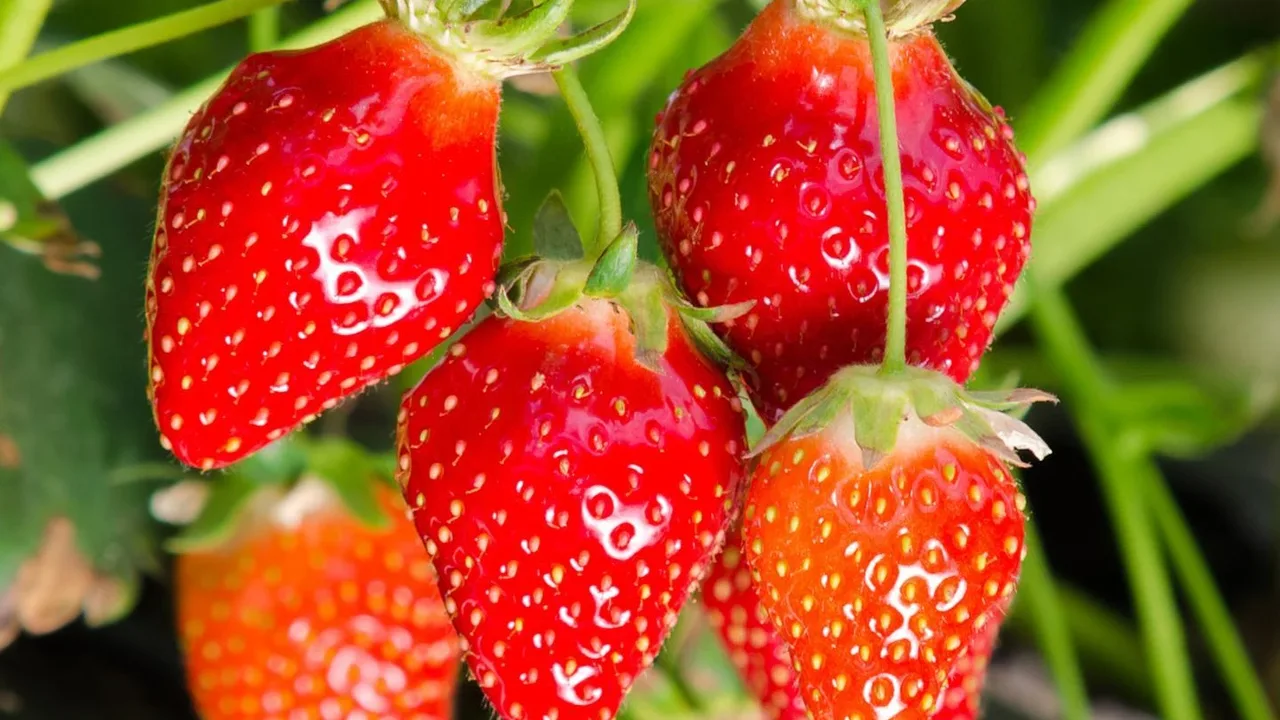
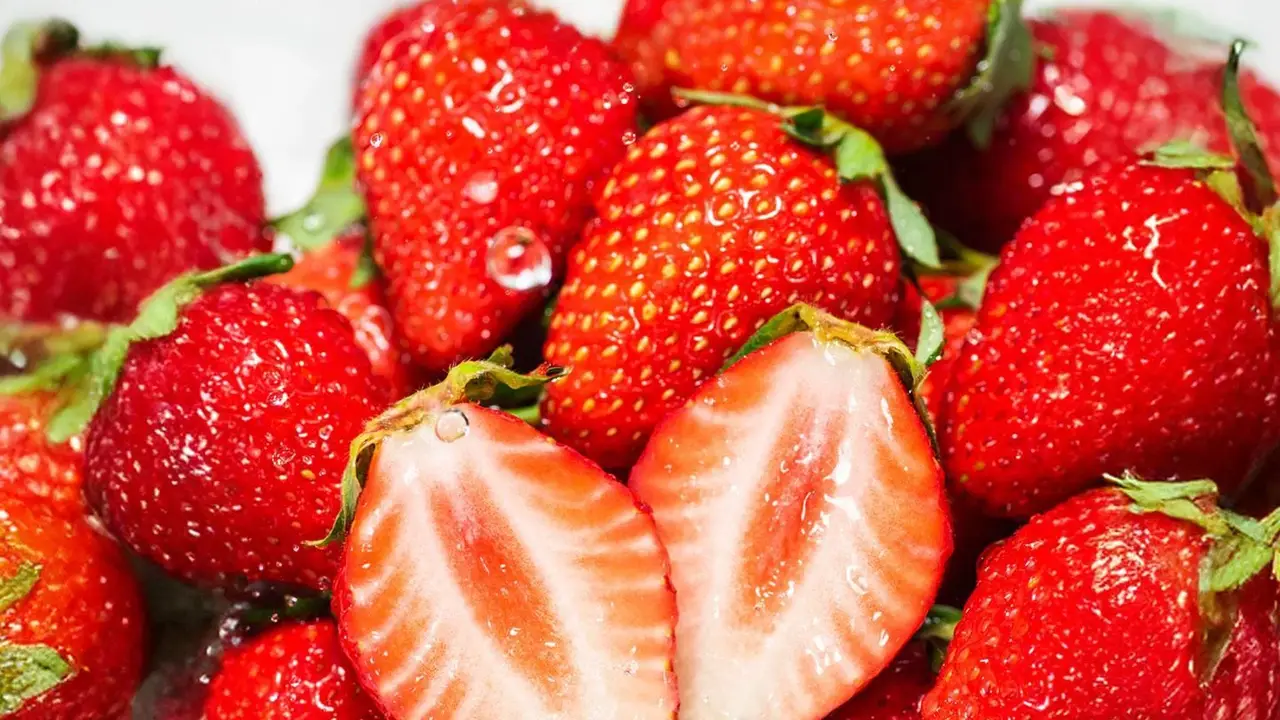
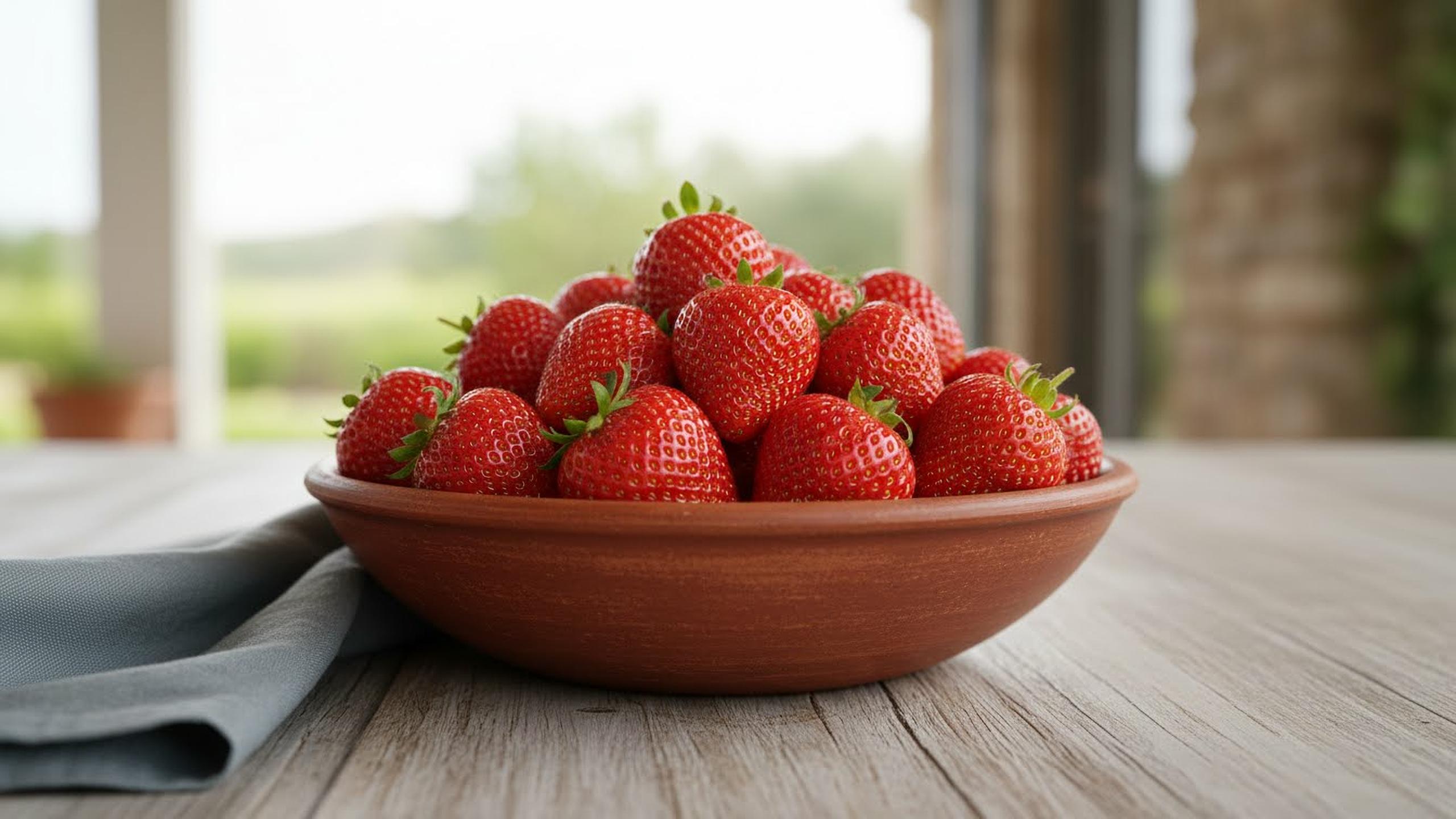
This homegrown project isn't just good for farmers—it's great news for anyone who loves strawberries. Imported varieties are often bred with a primary focus on durability for long-distance shipping, sometimes at the expense of taste and texture. Indian scientists, however, can prioritise flavour profiles that appeal to the local palate. This means the indigenous strawberries of the future could be juicier, sweeter, and more aromatic. The initiative also aims to improve the nutritional profile and shelf-life of the fruit. For consumers, this translates to better-tasting, higher-quality berries that stay fresh for longer, elevating everything from a simple bowl of fruit to desserts and jams.
Beyond the Strawberry Patch
The significance of the indigenous strawberry project extends far beyond a single fruit. It serves as a powerful model for the broader Indian agricultural sector, showcasing a path toward self-sufficiency in horticulture. The research, collaboration, and innovation involved in creating these new varieties strengthen India's entire agricultural research ecosystem. Successfully developing a domestic alternative for a high-value crop like strawberries could pave the way for similar projects with other fruits and vegetables that currently rely on imported genetics. This move reinforces national food security and enhances India's potential to become a competitive player in the global fruit market, transforming it from a technology importer to a horticultural innovator.