


The Soul of a South Indian Staple
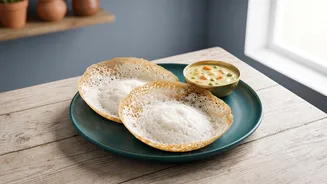
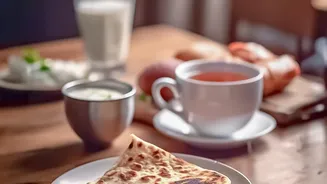
Appam, also known as a hopper, is a cornerstone of breakfast and dinner tables in Kerala and Tamil Nadu. Made from a fermented batter of rice and coconut milk, it’s a dish with a history stretching back to ancient Tamil literature. Unlike its cousin,
the dosa, which is cooked on a flat griddle, the appam requires a unique vessel to achieve its bowl-like form. This pancake is traditionally served with savoury accompaniments like vegetable stew, egg curry, or chicken curry, creating a delightful contrast between the slightly sweet pancake and the spiced gravy.
It’s All in the Curve
The magic of the appam lies in its special pan, the appachatti, which resembles a small wok or kadai. Its deep, concave shape is the secret to the appam’s iconic texture. The process is a lesson in culinary physics. When a ladle of thin batter is poured into the hot pan, the cook immediately swirls it around. Gravity pulls the batter down, causing most of it to pool in the deep centre. The thin layer of batter that clings to the sloped sides cooks quickly, the sugars in the coconut milk caramelising to form a brittle, golden-brown lace. Meanwhile, the thicker centre steams gently under a lid, the carbon dioxide from the fermented batter creating a spongy, porous texture. This simultaneous frying and steaming is impossible to replicate in a flat pan.
Material Matters: Cast Iron vs. Non-Stick
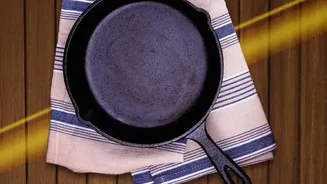
Traditionally, appachattis are made from heavy cast iron. Cast iron is prized for its superior heat retention and distribution, which ensures the appam cooks evenly without hot spots. With proper seasoning—a process of baking oil onto its surface—a cast iron pan develops a naturally non-stick layer that improves with every use. Many purists argue that cast iron also imparts a subtle, authentic flavour to the appam. However, modern non-stick versions offer convenience and are much lighter, making the signature swirling motion easier for beginners. While non-stick pans are easier to clean and require less maintenance, they don't have the longevity of cast iron and typically can't withstand the same high heat, which can affect the crispiness of the edges.
The Art of the Swirl
Using an appam pan effectively is a technique that takes a little practice. First, the pan must be heated properly; if it's not hot enough, the appam won't get crispy. If using cast iron, a light brushing of oil or ghee is needed before the first appam is made. Once the batter is poured into the centre, you must immediately lift the pan by its two handles and perform a confident, circular swirl to coat the sides. Then, the pan is covered and left to cook over a medium-low flame for a couple of minutes. Appams are cooked only on one side and are never flipped. They are done when the edges have pulled away from the pan and are golden brown, and the centre is cooked through.
A Vessel of Tradition
In a world of multi-purpose kitchen gadgets, the single-task appam pan might seem like a niche item. Yet, it holds its own as a piece of essential culinary equipment in many Indian households. It represents the idea that some dishes are so special, they require a purpose-built tool to be made correctly. The appachatti is more than just cookware; it's a vessel of tradition, connecting cooks to generations of culinary heritage. Its unique shape is not a design flaw or a novelty, but a deliberate, ingenious solution for creating one of South India’s most beloved and texturally complex dishes.