




The Anatomy of a Widespread Belief
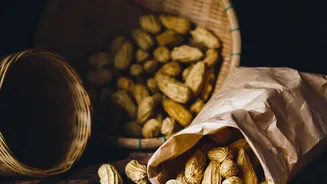
The advice against drinking water after eating peanuts is rooted in a few common theories. One popular idea is based on the traditional concept of 'hot' and 'cold' foods. Peanuts are considered to generate heat in the body, and it's believed that drinking water immediately
afterward creates a temperature clash that can lead to coughing and respiratory issues. Another prevalent theory suggests that because peanuts are rich in oils, drinking water causes these fats to solidify or deposit in the food pipe, triggering throat irritation and coughing. This advice is so common that for many, it's an unquestioned rule, especially during winter when roasted peanuts are a popular snack.
What Science Says About Digestion
From a physiological standpoint, the idea that water interferes with the digestion of peanuts is unfounded. The digestive process is a robust and complex system designed to handle mixtures of foods and liquids. Digestion of fats, the primary macronutrient in peanuts, begins with enzymes in your saliva and stomach but happens predominantly in the small intestine. Here, the liver produces bile, an emulsifier that breaks large fat globules into smaller droplets. This allows enzymes, like pancreatic lipase, to efficiently break the fats down into fatty acids and glycerol, which can then be absorbed by the body. Water does not hinder this process; in fact, it is essential for it. Water helps move food through your digestive tract and facilitates the chemical reactions necessary for breaking down nutrients.
Debunking the 'Fat Deposition' Theory
The notion that water causes fat to deposit in the esophagus is not supported by science. The esophagus is a muscular tube that transports food from the mouth to the stomach via contractions called peristalsis; it is not a site for digestion or fat deposition. Some nutrition experts have publicly refuted this theory, stating that drinking water after consuming oily foods like peanuts should not cause any harm to a healthy individual. The sensation of a throat tickle or a cough after eating peanuts is more likely due to their dry and sometimes crumbly texture, which can cause minor irritation. Drinking water might simply make you more aware of this sensation or trigger a cough if your throat is particularly sensitive. It doesn't mean a harmful reaction is occurring.
Could It Be an Allergy or Intolerance?
While the combination of peanuts and water isn't inherently dangerous for most, persistent negative reactions after eating peanuts should not be ignored. Symptoms like itching or tingling in the mouth, stomach cramps, hives, or shortness of breath could indicate a peanut allergy, which is a serious medical condition. An allergic reaction is caused by the immune system overreacting to the proteins in peanuts, not by the act of drinking water. In other cases, individuals may have a peanut intolerance, which can cause digestive discomfort like bloating or gas but is generally less severe than an allergy. If you consistently experience discomfort after eating peanuts, it's wise to consult a healthcare professional to rule out these conditions.
The Nutritional Powerhouse: Peanuts
Far from being a food to fear, the peanut is a nutritional powerhouse. They are an excellent source of plant-based protein, which is essential for building and repairing body tissues. Peanuts are also packed with healthy monounsaturated and polyunsaturated fats, which are beneficial for heart health. Furthermore, they provide dietary fiber, which aids digestion and promotes a feeling of fullness, and a wide array of essential vitamins and minerals, including vitamin E, magnesium, and potassium. Research has consistently shown that regular, moderate consumption of peanuts can be part of a healthy diet, helping to manage weight and reduce the risk of chronic diseases.