






What the New Study Says
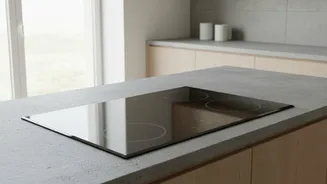
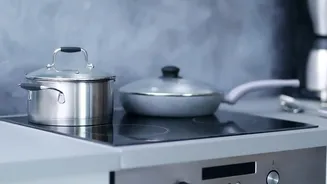
A recent study published in mid-July has caught the attention of health experts and homeowners alike. Researchers from the MetroHealth System in Ohio studied 85 people with poorly controlled asthma. They replaced their gas stoves with electric induction
models and monitored their health for several months. The results were striking: participants reported significant improvements in their asthma symptoms, with fewer emergency room visits and missed days of work or school. The study also measured a 70% drop in indoor nitrogen dioxide (NO2) levels after the switch, a pollutant commonly associated with gas appliances and known to harm the lungs. This was the first study of its kind to explore whether simply changing a stove could ease asthma symptoms.
Why Scientists Urge Caution
While the results are promising, it's important to understand why the scientific community isn't declaring electric stoves a cure for asthma just yet. The study's own authors have pointed out that this is just one piece of a larger puzzle. One major reason for caution is the need for long-term follow-up. Scientific conclusions are rarely based on a single, short-term study. Longer studies are needed to see if the health benefits persist over years, not just months. Furthermore, this study was relatively small and focused on a specific group of people with pre-existing, poorly controlled asthma. Researchers need to see if the results can be replicated in larger, more diverse populations to confirm the findings and ensure they apply to the general public. It's a critical step to separate a one-time correlation from a proven cause-and-effect relationship.
The Bigger Picture: Kitchen Air Quality
The debate isn't just about gas versus electric. All cooking, regardless of the heat source, produces pollutants. Frying, searing, and even toasting can release fine particulate matter (PM2.5) and other compounds into the air. In fact, some research has shown that high-heat cooking on electric stoves can produce higher levels of these particulates than on gas stoves. The primary health concern with gas stoves has been the emission of nitrogen dioxide. However, the key to a healthy kitchen isn't just the appliance you choose, but how you manage the air quality around it. The real villain is often poor ventilation, which traps pollutants from any source inside your home.
What This Means for Indian Homes
In India, where respiratory illnesses are a significant health concern, indoor air quality is paramount. Many urban households have transitioned from traditional cooking methods to LPG gas stoves, and increasingly, to electric or induction cooktops. This new research adds another layer to the conversation. However, the most practical and immediate takeaway for Indian kitchens is the universal importance of ventilation. Whether you use a gas cylinder or an induction plate, ensuring proper airflow is non-negotiable. Many modern apartments are built with smaller kitchens, making it even more crucial to actively remove cooking fumes.
Simple Steps for Cleaner Kitchen Air
You don't need to wait for years of follow-up studies to make your kitchen a healthier space. The best advice from experts is consistent and applies to all types of stoves. First and foremost, use your kitchen chimney or exhaust fan every single time you cook. If you don't have one, opening a window can make a significant difference. Whenever possible, cook on the back burners, as most exhaust hoods are more effective at capturing fumes from there. Finally, keeping your appliances and cooking surfaces clean can also reduce the burning of old food debris, which contributes to indoor pollution. These simple habits can dramatically improve your kitchen's air quality, regardless of the appliance you own.