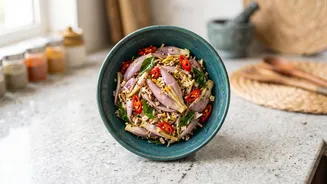


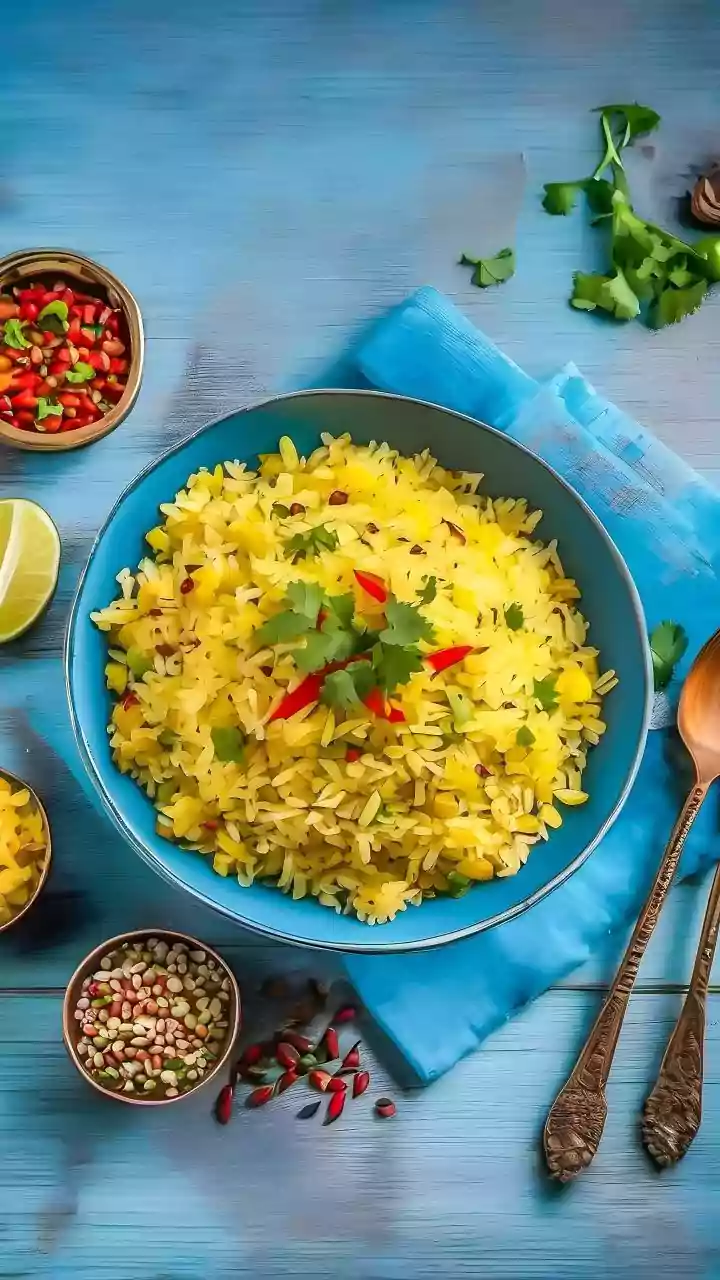
Often overlooked, the banana flower is a culinary gem in Indian kitchens. This guide demystifies this unique ingredient, showing you how to transform it into a flavourful, coconut-based curry that pairs beautifully with both rice and roti.
The Star of the Show
Before it becomes
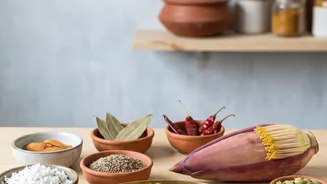
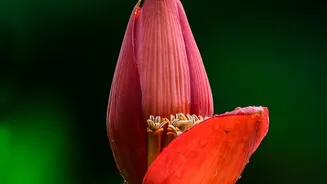
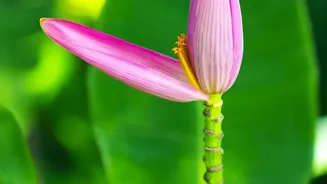
a bunch of bananas, the tree produces a large, tear-shaped purple blossom. This is the banana flower, known regionally as 'vazhaipoo' in the south and 'mocha' in Bengal. Used across various regional Indian cuisines, from stir-fries and vadas to hearty curries, the banana flower has a subtly nutty flavour and a meaty, textured bite that makes it a fantastic vegetarian centrepiece. While it might look intimidating on the outside, preparing it is a rewarding process that unlocks a world of traditional flavour.
A Treasure Trove of Benefits
Beyond its unique taste, the banana flower is packed with nutritional benefits. It is an excellent source of dietary fibre, which is great for digestive health. It's also rich in antioxidants and essential minerals like potassium, calcium, and iron. Traditional medicine has long valued the banana blossom for its various properties, from managing blood sugar levels to supporting menstrual wellness. Including it in your diet is not just a culinary adventure but also a step towards embracing wholesome, plant-based ingredients.
How to Clean the Banana Flower
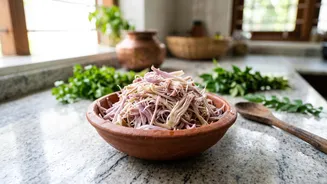
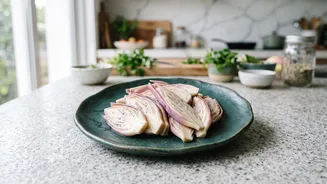
The most crucial step is the preparation, but don't be daunted. It's a mindful process that gets easier with practice. Start by rubbing your hands and knife with a little oil to prevent staining from the sap. Peel away the outer, tough purple leaves one by one. Underneath each, you'll find a row of small florets. For each floret, you need to remove two inedible parts: a single, firm stalk with a bulb at the top (the pistil) and a small, transparent, petal-like covering. Discard these and keep the rest of the floret. As you move towards the centre, the flower will become paler and more tender, and you'll no longer need to clean the individual florets. This tender heart can be chopped and used directly. Immediately place all chopped parts into a bowl of water mixed with lemon juice or buttermilk to prevent them from browning.
Ingredients for the Curry
This recipe serves 3-4 people. 2 cups cleaned and chopped banana flower 1 medium onion, finely chopped 1 large tomato, chopped 4-5 cloves of garlic, minced 1-inch piece of ginger, grated 2 green chillies, slit 1/2 cup thick coconut milk 1 cup thin coconut milk 1 teaspoon mustard seeds 1 teaspoon cumin seeds 1/2 teaspoon turmeric powder 1 teaspoon coriander powder 1/2 teaspoon red chilli powder (adjust to taste) 1 sprig of curry leaves 2 tablespoons coconut oil or any vegetable oil Salt to taste Fresh coriander for garnish
Cooking Instructions
First, boil the chopped banana flower. Place it in a pot with enough water to cover, add a pinch of turmeric and salt, and cook until tender, about 10-15 minutes. Drain thoroughly and set aside. Next, heat oil in a pan or kadai over medium heat. Add the mustard seeds and cumin seeds. Once they splutter, add the curry leaves, green chillies, minced garlic, and grated ginger. Sauté for a minute until fragrant. Add the finely chopped onions and cook until they turn soft and translucent. Add the chopped tomatoes and cook until they become soft and mushy. Now, add the powdered spices: turmeric, coriander, and red chilli powder. Stir and cook for another two minutes until the raw smell disappears and oil begins to separate from the masala. Add the boiled banana flower to the pan and mix well to coat it with the masala. Pour in the thin coconut milk and salt. Bring the curry to a simmer and let it cook for 5-7 minutes, allowing the flavours to meld. Finally, reduce the heat to low, stir in the thick coconut milk, and cook for another 2-3 minutes. Do not let it boil vigorously after adding the thick milk. Garnish with fresh coriander and serve hot.