

The Psychology of Colour
The colour of a planter does more than just add a splash of personality; it sets the mood and can dramatically alter how you perceive the plant itself. The goal is to create aesthetic harmony. Neutral colours like white, grey, and beige provide a clean,
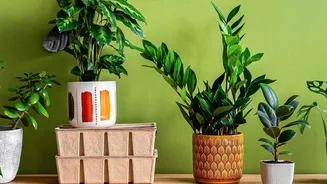
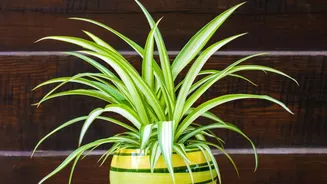
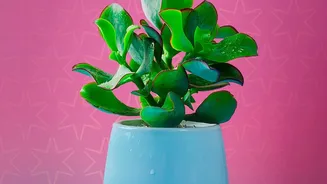
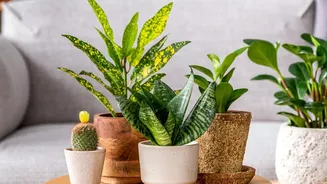
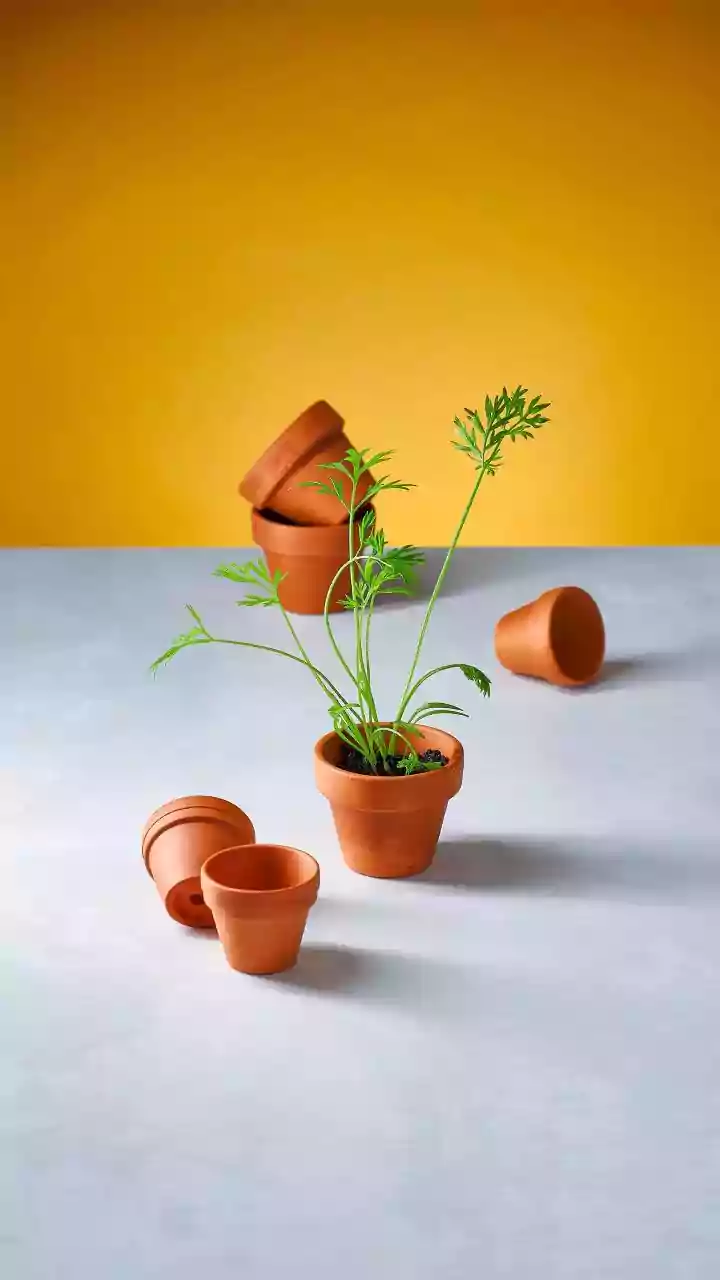
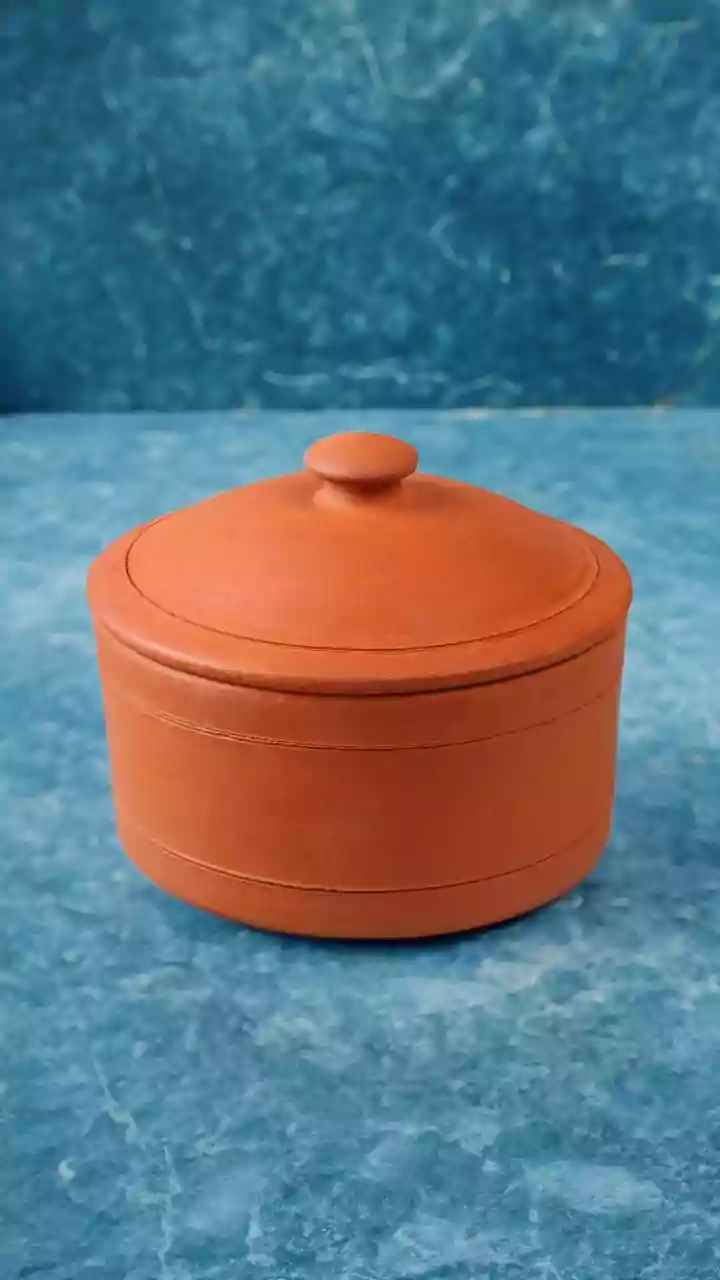
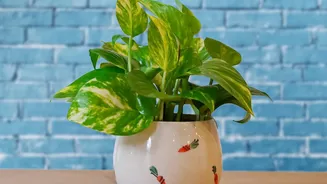
minimalist backdrop that makes the green foliage or vibrant flowers of the plant pop. White pots, in particular, offer a crisp look that works well in modern spaces, making the plant the undisputed star. Earthy tones such as terracotta, brown, and muted greens create a natural, cohesive look, grounding the plant and connecting it to its outdoor origins. For those looking to make a bolder statement, bright colours like red, yellow, or blue can be used strategically. A vibrant pot can serve as a focal point, but the key is to choose a colour that complements the plant. Consider using a colour wheel: a pot in a colour opposite to the plant’s flowers (like a blue pot for orange blooms) creates a striking contrast, while adjacent colours create a more serene, unified feel. The trick is to ensure the pot supports the plant's visual appeal, not competes with it.
Harmony in Form and Shape
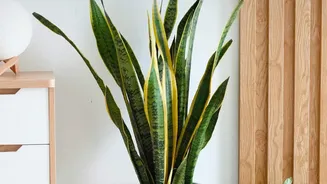
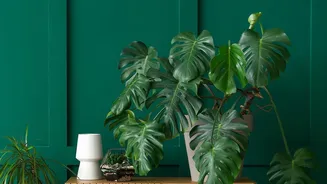
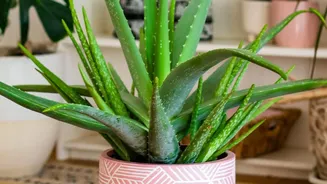
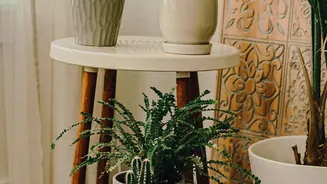
Just as crucial as colour is the shape of the pot. The right silhouette should balance the plant’s natural growth habit. Tall, upright plants like Snake Plants or Fiddle Leaf Figs often look best in substantial, cylindrical pots that echo their vertical lines and provide a stable base. Conversely, plants that grow wide or have a sprawling nature, such as ferns or succulents, are often better suited to wider, bowl-shaped containers that give them room to spread out visually. Trailing plants like Pothos or String of Pearls are showcased beautifully in taller planters or hanging baskets, which allow their foliage to cascade downwards naturally. The shape can also be used to complement your room's architecture. Rectangular planters can accentuate horizontal lines and feel grounding, while tall, slender pots can draw the eye upward, creating an illusion of height in smaller spaces. The ultimate goal is a proportional relationship where the pot and plant feel like a single, cohesive unit rather than two separate items placed together.
Matching Pot to Interior Style
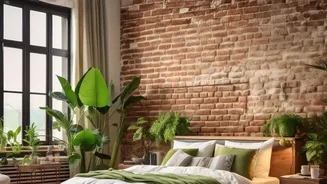
A planter is a decorative accessory, and it should align with your home’s overall design aesthetic to feel truly integrated. For a modern or Scandinavian interior, lean towards planters with clean lines, simple shapes, and neutral colours like white, black, or grey. These minimalist designs let the plant's texture and form take centre stage. If your style is more bohemian or rustic, embrace natural materials like terracotta, woven baskets, or ceramics with textured glazes. These pots add warmth and an organic feel. For shabby chic or coastal themes, opt for planters in soft pastels, whites, or pale blues, with rounded shapes or vintage-inspired details that evoke a sense of calm. The material of the pot is just as important as the colour and shape. A sleek, glossy ceramic pot might feel at home in a contemporary setting, while a rough, unglazed terracotta pot suits a more naturalistic or rustic vibe. Thinking of your planter as a piece of furniture or decor helps ensure it belongs in the space.
Common Mistakes to Avoid
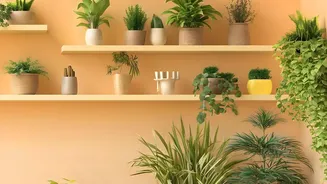
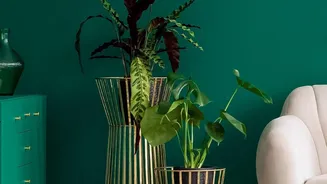
One of the most common pitfalls is choosing a pot that is simply too distracting. An overly ornate or brightly patterned pot can easily overpower a plant with delicate or simple foliage, creating visual chaos. The plant should always be the hero. Another frequent error is ignoring the principle of unity. If you have multiple plants in a space, using pots of a similar colour palette or material—even if the shapes and sizes vary—can create a more cohesive and intentionally designed look. Mixing too many competing styles, colours, and materials can make a space feel cluttered rather than curated. Finally, don't forget the practical side. While aesthetics are important, ensure the pot's material and drainage capabilities are suitable for the plant's health. Dark-coloured pots, for instance, absorb more heat and may not be ideal for sun-sensitive plants. A beautiful pot is useless if the plant within it cannot thrive.