




The Allure of the Bobber
The bobber has been a symbol of rebellious individualism for generations. Born in the post-WWII era, the style emerged when returning GIs started stripping their motorcycles of anything non-essential. They removed heavy fenders, swapped out seats, and
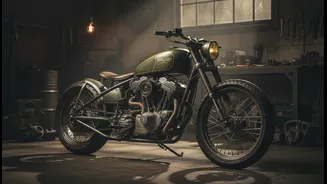
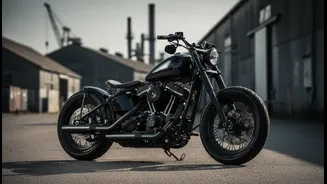
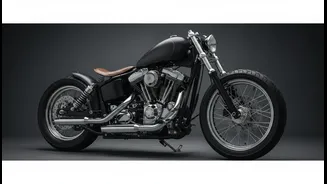
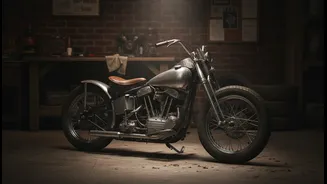
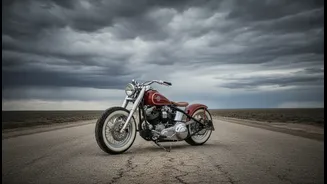
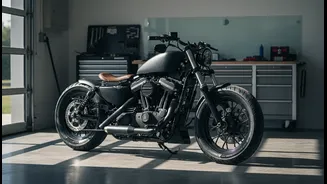
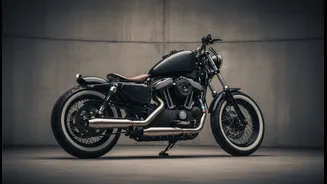
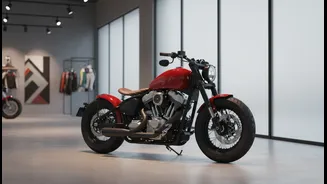
shed any part that didn't contribute to speed and a lean, aggressive look. This 'bob-job' created a minimalist machine that was lighter, faster, and visually distinct from factory models. The look is defined by a solo seat, a shortened or 'bobbed' rear fender, and an overall raw, mechanical presence that puts the engine and frame at the center of attention. It’s a style that screams authenticity and hands-on craftsmanship.
The Garage-Built Reality
Achieving that coveted bobber look, however, is no small feat. A true garage build is a massive commitment of time, money, and technical skill. The process often starts with sourcing a suitable donor bike, which can be a project in itself. From there, it's a deep dive into fabrication, welding, and component sourcing. Builders often spend months, sometimes years, hunting for the right parts, modifying the frame, and tackling the notoriously tricky task of wiring a custom machine from scratch. For every stunning bobber that hits the road, countless others stall and end up as unfinished projects gathering dust, victims of the sheer hassle and expertise required.
Enter the Harley-Davidson Deadwood
Recognizing the gap between aspiration and reality, Harley-Davidson has introduced the 2026 Deadwood. This new model in the Softail lineup is designed to capture the essence of a garage-built bobber in a reliable, factory-produced package. Named after the historic South Dakota town linked to the Sturgis Motorcycle Rally, the Deadwood taps directly into the culture of post-war customizers. It’s effectively a stripped-down and modified version of the Heritage Classic, but instead of adding accessories, Harley has taken them away, creating a leaner profile and a more accessible price point. The result is a bike that honors the bobber's history while eliminating the headaches of building one yourself.
Deconstructing the Design
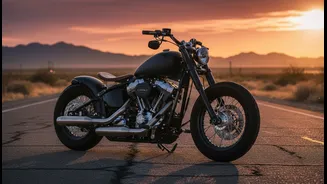
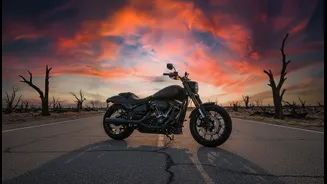
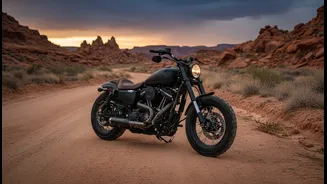
The Deadwood’s aesthetic is pure, blacked-out attitude. Nearly every component, from the powertrain and exhaust to the handlebars and fork covers, is finished in black. The bike features a slammed profile, achieved with lowered rear suspension and a solo tuck-and-roll seat that sits just 25.5 inches from the ground. This low stance not only looks aggressive but also exposes the rear fender and the lines of the Softail frame, which mimics the look of a classic hardtail. Up front, a chopped, smoked windshield provides a hint of comfort without compromising the stripped-down look. The entire package is finished in a moody Denim Black paint, reinforcing its rebellious character.
Modern Performance Meets Vintage Style
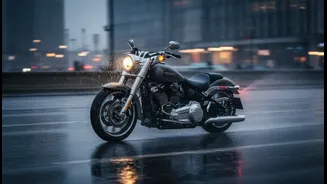
While the Deadwood's looks are rooted in the past, its performance is thoroughly modern. It’s powered by the Milwaukee-Eight 117 V-Twin engine, tuned for strong, accessible torque that makes for a satisfying ride in real-world conditions. Unlike a temperamental custom build, the Deadwood comes with a full suite of modern electronic rider aids. This includes selectable ride modes (Sport, Road, and Rain), cornering-aware ABS and traction control, and a tire pressure monitoring system. It combines the soul of a vintage custom with the safety, reliability, and convenience of a brand-new motorcycle, including features like all-LED lighting and a USB charging port.
Who is the Deadwood Rider?
The Harley-Davidson Deadwood is aimed squarely at the rider who loves the custom bobber aesthetic but doesn't have the time, tools, or inclination for a full-scale garage project. It’s for the person who values individuality and style but also wants the peace of mind that comes with a factory warranty and modern technology. Starting at $17,999 in the U.S., it offers a way into the custom scene without the unpredictable costs and endless weekends of a DIY build. It’s a motorcycle for someone who would rather spend their time riding than wrenching, enjoying the destination as much as the journey.