






A City of Mills and Upheaval
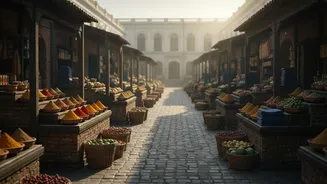
To understand the origins of Lalbaugcha Raja, one must travel back to the 1930s. The area of Lalbaug was the epicentre of 'Girangaon' or the 'village of mills'. This part of Mumbai was a bustling industrial hub, home to over a hundred textile mills and the thousands
of workers who migrated there for a livelihood. But this era was also marked by turbulence. The global economic climate and the Indian freedom struggle created a volatile environment. Labour unrest was common, and the livelihoods of the mill workers and local vendors were often precarious. It was a time of great uncertainty, where communities had to rely on solidarity and faith to navigate their daily struggles.
The Vow That Started It All
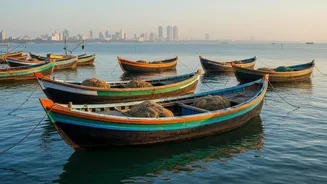
The direct catalyst for Lalbaugcha Raja's inception was a local economic crisis. In 1932, the marketplace at Peru Chawl, where many local fishermen and vendors earned their living, was shut down. Faced with the loss of their primary source of income, the community turned to prayer. They made a collective vow, or 'navas', to Lord Ganesha: if they were granted a permanent place to re-establish their market, they would install an idol in his honour. Their prayers were answered. Aided by local leaders, a plot of land was secured, and the new Lalbaug Market was constructed. True to their word, on September 12, 1934, the grateful community of fishermen and traders established the very first idol.
From Humble Idol to 'The King'
The first idol was a humble one, fittingly dressed in the traditional attire of the Koli fishing community who had founded the mandal. From 1935, the honour of sculpting the idol went to the Kambli family, a tradition that continues to this day. The mandal was formed during the peak of the freedom struggle, and like many Sarvajanik Ganeshotsavs of the era, it became a platform for social and nationalistic expression. Over the decades, the themes for the idol and its backdrop often reflected the mood of the nation, from the fight for independence to mythological stories. The idol's reputation as the 'Navsacha Ganpati', or the fulfiller of wishes, grew exponentially, cementing its place in the city's heart. This belief is the core reason it draws millions of devotees annually, who wait in queues for hours for a glimpse of the deity.
A Symbol of Resilience and Identity
The decades that followed brought dramatic changes to Lalbaug. The Great Bombay Textile Strike of 1982 led to the closure of most mills, fundamentally altering the area's economic landscape and leaving thousands unemployed. Yet, the tradition of Lalbaugcha Raja did not just survive; it became an even stronger symbol of identity and hope for a community in flux. The festival evolved from a celebration by mill workers and local vendors into a city-wide phenomenon, a testament to Mumbai's spirit of resilience. The Kambli family's iconic design for the idol eventually became so famous that they had to patent it to prevent widespread imitation, a first for a religious idol. Today, the 'King of Lalbaug' stands not just as a religious icon but as a living monument to a community's struggle, faith, and enduring spirit.