




A recent Oxfam report makes a startling claim: the world's wealthiest are not only driving climate change but are also profiting from the recovery efforts. This raises urgent questions about the ethics of a growing 'disaster economy'.
A 'Double Dividend' for the Rich
According to Oxfam's
'Disaster Divide' report, the world's wealthiest 0.1% are major investors in both the fossil fuel industries that accelerate climate change and the booming disaster recovery market. The aid organization calls this a 'double dividend', where profits are made from the cause and the consequence of climate breakdown. The report highlights that this elite group of around 8 million people is responsible for more carbon emissions than the poorest 3.5 billion combined. Oxfam argues this dynamic creates a perverse incentive for the most powerful people on the planet to delay or even obstruct meaningful climate action, as they benefit financially from the ensuing chaos.
Understanding the Disaster Recovery Market
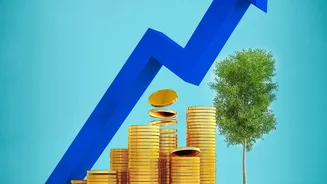
The disaster recovery market isn't just about charity. It is a multi-billion dollar industry encompassing construction, logistics, private security, and specialized cleanup services that are deployed after hurricanes, wildfires, floods, and other catastrophes. Oxfam projects this market will grow from $70 billion to $92 billion annually by 2029. Investment flows into this sector through various channels. Investors can buy shares in publicly traded companies like construction giants and equipment suppliers that win lucrative government contracts for rebuilding. This model treats disasters not just as humanitarian crises but as market opportunities where significant returns can be made.
The Role of Complex Financial Tools
Beyond direct company investments, another mechanism for profiting from disasters is through complex financial instruments like 'catastrophe bonds' or 'cat bonds'. These bonds are issued by insurance companies or governments to transfer the risk of a major disaster to investors. In simple terms, investors receive high-interest payments in exchange for taking on the risk. If a predefined disaster (like a hurricane of a certain magnitude) does not occur within a set period, investors get their principal back along with the interest. However, if the disaster does happen, the issuer keeps the principal to cover their losses, and the investors lose their money. While these tools can provide needed capital for recovery, they also represent a direct financial bet on the occurrence—or non-occurrence—of catastrophic events.
Oxfam's Ethical and Equity Concerns
Oxfam's central argument is that this system is fundamentally unjust. It creates a cycle where the populations least responsible for climate change suffer its worst effects and then must effectively pay the wealthiest for recovery services. This deepens global inequality, as money flows from public relief funds and debt-laden developing nations to private corporations and their wealthy shareholders. The report argues that this privatization of disaster response can sideline local businesses and fail to address the specific needs of the most vulnerable communities, instead prioritizing projects that offer the highest return on investment. Decisions about resource allocation become driven by profit motives rather than principles of fairness, equity, or humanitarian need.
Calls for Systemic Change
In response to its findings, Oxfam is calling for systemic changes. The organization advocates for higher taxes on wealth, polluting corporations, and high emission luxury items like private jets. The goal is to make rich polluters pay for the damage they disproportionately cause. Furthermore, Oxfam urges governments to prioritize grant based climate finance for developing nations rather than loans that increase debt, and to end what it terms 'climate profiteering'. The report suggests that without a fundamental shift, the 'disaster divide' will only widen, leaving the most vulnerable populations in a perpetual state of recovery while the wealthy find new ways to profit from their hardship.