





Understanding the Trade Balance
First, let's break down the jargon. A country's trade balance is simply the difference between the value of its exports (goods and services sold to other countries) and its imports (goods and services bought from other countries). When a country imports more
than it exports, it runs a trade deficit. For an economy like India's, the trade balance is a crucial health indicator. A consistently large deficit can signal economic vulnerability, as the country must find foreign currency, primarily US dollars, to pay for its excess imports. India recorded a merchandise trade deficit of $30.43 billion in June 2026 alone, highlighting how sensitive this balance can be.
India’s Heavy Reliance on Imported Oil
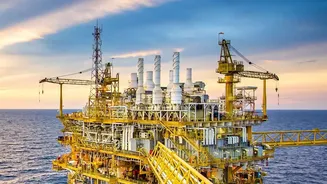
India is the world's third-largest oil consumer and importer, sourcing over 88% of its crude oil from abroad. This heavy dependence makes the economy extremely sensitive to fluctuations in global oil prices. Energy imports, primarily crude oil, form a massive chunk of the country's total import bill. Therefore, when the price of Brent crude—a key global benchmark for oil—rises, the cost of India's imports shoots up dramatically, even if the actual volume of oil imported remains the same. This directly inflates the import side of the trade equation, putting immense pressure on the trade balance.
The Math of a $135 Price Shock
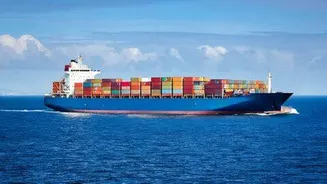
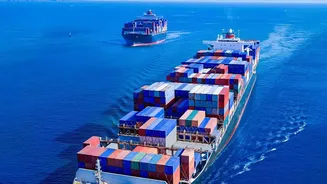
A price of $135 per barrel is not a random number; it's a scenario analysts at firms like CareEdge Ratings have flagged as possible in the event of severe, simultaneous disruptions at key global shipping chokepoints like the Strait of Hormuz and the Red Sea. India is particularly vulnerable as around 40% of its crude imports pass through the Strait of Hormuz. According to RBI estimates, every $10 increase in the price of crude oil can widen India's Current Account Deficit (CAD)—a broader measure than the trade deficit—by about $14-15 billion annually. A jump from current levels (around $90-$100) to $135 would represent a massive shock, potentially adding tens of billions of dollars to the import bill and causing a sharp deterioration in the trade and current account deficits.
The Ripple Effect on the Rupee and Inflation
A wider trade deficit has a direct knock-on effect on the Indian rupee. To pay for more expensive oil, importers need to buy more US dollars, increasing demand for the dollar and, in turn, weakening the rupee. A weaker rupee makes all imports, not just oil, more expensive. This phenomenon, known as imported inflation, means the pain of high oil prices doesn't stop at the trade figures. It trickles down to the entire economy. Higher transportation costs due to pricier diesel affect the price of everything from food to manufactured goods, squeezing household budgets and corporate profit margins. This can force the Reserve Bank of India into a difficult position, potentially having to keep interest rates high to fight inflation, which can slow down economic growth.
The Government’s Difficult Choices
For the government, a $135 oil scenario presents a policy nightmare. The administration would face a series of unenviable choices. It could absorb the price shock by cutting excise duties on petrol and diesel, but this would mean sacrificing crucial tax revenue needed for government spending. Alternatively, it could allow fuel prices to rise, passing the burden to consumers and risking public anger and a surge in inflation. A third option is to use the country's foreign exchange reserves to fund the more expensive imports and defend the rupee, but these reserves, while substantial, are not infinite. Each path carries significant economic and political costs, leaving policymakers with very little room to maneuver.