






Beyond the Numbers Game
The message to eat more protein is everywhere, from high-protein snacks flooding supermarket shelves to wellness influencers meticulously tracking their daily intake. This focus on quantity has led many to believe that more is always better. However,
a growing body of research, including a critical review by international protein experts in June 2026, is adding a crucial layer to this advice. The consensus is shifting towards a more nuanced understanding: the quality of protein can be just as important, if not more so, than the sheer number of grams consumed. This doesn't mean quantity is irrelevant, but rather that focusing on it alone gives you an incomplete picture of your nutritional health.
What Is 'Protein Quality,' Anyway?
So, what makes one protein source 'better' than another? The answer lies in two key factors: its amino acid profile and its digestibility. Proteins are made up of building blocks called amino acids. There are nine essential amino acids that our bodies cannot produce on their own, so we must get them from food. A 'complete' protein contains all nine of these essential amino acids in sufficient amounts. Animal-based foods like meat, fish, eggs, and dairy are typically complete proteins. The second factor is digestibility, which measures how well our body can break down the protein and absorb those amino acids. A protein source might be rich in amino acids, but if your body can't access them efficiently, its quality is lower.
The Science of Scoring Protein
To standardize this, scientists use scoring systems. For decades, the go-to method was the Protein Digestibility Corrected Amino Acid Score (PDCAAS). More recently, the Food and Agriculture Organization (FAO) has recommended a more advanced method called the Digestible Indispensable Amino Acid Score (DIAAS). The key difference is that DIAAS provides a more accurate measure of amino acid absorption in the small intestine, which is a truer reflection of how our body actually uses protein. Unlike PDCAAS, which caps scores at 1.0, DIAAS scores can go higher, allowing for a better distinction between very high-quality proteins like whey and milk, and other sources. For instance, whey protein isolate and soy protein isolate have similar PDCAAS scores, but whey scores significantly higher on the more precise DIAAS scale.
High-Quality vs. Incomplete Sources
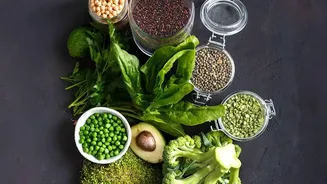
High-quality proteins are those that are easily digested and contain all essential amino acids. Animal sources like lean meat, poultry, fish, eggs, and dairy products like Greek yoghurt and paneer are excellent examples. For those following a plant-based diet, some sources like quinoa, soy (including tofu and edamame), and buckwheat are also considered complete proteins. However, many plant-based proteins, such as beans, lentils (dals), nuts, and most grains, are 'incomplete', meaning they lack one or more essential amino acids. This doesn't make them bad; it simply means you need to be strategic. By combining different plant foods—a practice known as protein complementation, like eating rice with beans or dal with roti—you can create a complete amino acid profile over the course of the day.
Making It Work for You
Focusing on protein quality doesn't have to be complicated. The goal is not to eliminate incomplete proteins but to build a varied and balanced diet. Prioritising high-quality sources ensures your body gets the building blocks it needs for everything from muscle repair and immune function to maintaining healthy bones as you age. Start by anchoring each meal with a quality protein source. This could be eggs for breakfast, a chicken or tofu salad for lunch, and fish or lentils for dinner. If you rely heavily on plant-based foods, make a conscious effort to mix and match sources. For example, pair legumes with grains or add seeds to your meals to ensure you are getting a full spectrum of amino acids. The key is variety and mindful combination.