




The Viral Fantasy: Cash for Relocation
You’ve probably seen the posts or the catchy headlines promising upwards of €84,000 to pack your bags and start a new life on one of Ireland’s scenic offshore islands. The story spread like wildfire, painting a picture of the Irish government handing
out cash to anyone willing to embrace a remote, windswept lifestyle. This narrative suggests that simply by choosing to move, you become eligible for a substantial payment, a kind of golden hello to your new island home. This version of the story taps into a universal desire for escape and a simpler life, backed by a significant financial incentive. It’s an irresistible fantasy, but unfortunately, it’s a fantasy that omits nearly all of the important details.
The Real Policy: Our Living Islands
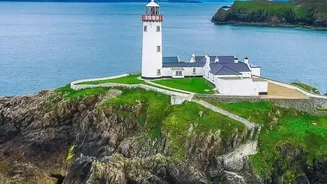
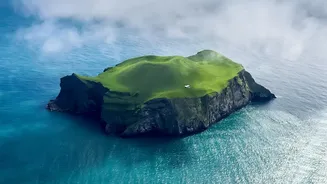
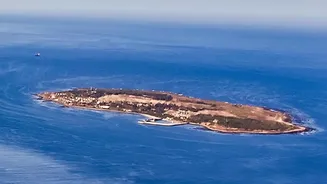
The kernel of truth in the viral story is a genuine Irish government strategy called “Our Living Islands.” Launched in 2023, this is a 10-year policy designed to revitalize and sustain the communities on about 30 of Ireland's remote, offshore islands. These are islands not connected to the mainland by bridges, many of which have seen their populations decline over generations as young people leave for education and jobs. The policy isn't about paying people to move; it's a wide-ranging plan to improve housing, infrastructure, healthcare, education, and digital connectivity to ensure these communities can thrive for years to come. The financial grant that went viral is just one component of this much larger, more serious effort to preserve a unique part of Irish culture and heritage. The government’s goal is to support permanent residents who will help build sustainable communities, not to fund a holiday.
The Grant: It’s for Renovation, Not Relocation
The money—up to €84,000—is real, but it’s not a cash gift for moving. It’s a building grant intended to bring derelict and vacant homes back into use. Specifically, it's an island-specific enhancement of the nationwide Vacant Property Refurbishment Grant. On the mainland, the grant is capped at a lower amount, but for the designated islands, you can receive up to €60,000 to refurbish a property that's been vacant for over two years, or up to €84,000 for a property classified as derelict. Critically, you must already own the property or be in the process of buying it. Furthermore, you have to pay for the renovations yourself first. The grant serves as a reimbursement for a portion of the costs after the work is completed and inspected. The funds can only be used for specific building works, like structural repairs, plumbing, and insulation—not for furniture or personal expenses.
The Big Catch: Who Is Actually Eligible?
Here is where the dream hits a major wall for many international hopefuls. The grant itself is tied to the property, not the nationality of the owner. However, receiving the grant gives you absolutely no right to live in Ireland if you are not an EU or Irish citizen. A person from India, the US, or any other non-EU country must still independently qualify for Irish immigration. This would mean securing a work permit, a visa for retirement based on financial self-sufficiency, or proving Irish ancestry. These are significant hurdles that are entirely separate from the property grant. You also must purchase a qualifying property—one that was built before 2008 and has been vacant for at least two years. You must then commit to living in the property as your principal private residence or making it available for long-term rental, which further complicates things for those without residency rights.
A Reality Check on Island Life
Even for those who can clear the financial and legal hurdles, the reality of the program is more challenging than the viral posts let on. The very reason these islands need revitalization is because they are isolated. Residents face limited services, harsh weather that can disrupt travel, and a much quieter pace of life than many are used to. The uptake of the grant reflects this reality; as of early 2025, there had been only a modest number of applications since the program's launch. This slow but steady interest comes from people prepared for the commitment, not those chasing easy money. Finding a qualifying derelict property, securing the funds to buy it outright, and managing a major renovation project on a remote island where labour and materials are more expensive is a monumental task. It’s a project of passion, not a get-rich-quick scheme.