





A Shock Resignation That Shook the Tech World
On November 12, 2026, Jensen Huang, the visionary leader who co-founded Nvidia in 1993 and steered it for over 33 years, abruptly resigned from his roles as President, CEO, and board member. The resignation came amid a torrent of damaging reports concerning
extramarital affairs, including one with a businesswoman suspected by U.S. intelligence of being a Chinese spy. The news sent shockwaves through the market, with Nvidia's stock plunging and wiping hundreds of billions of dollars from its valuation. The departure of the man considered the 'emperor' of the AI revolution created immense uncertainty about the future of the world's most important chipmaker at a pivotal moment for the industry. The board appointed CFO Colette Kress as interim CEO and began a search for a permanent successor.
A Groundswell of Support and a 'Stand with Jensen' Campaign
In the days following Huang's exit, a powerful campaign for his return began to build. A 'Stand with Jensen' petition circulated online, gathering over 200,000 signatures, including from some of the biggest names in technology like Elon Musk, Shopify's Tobi Lütke, and Epic Games' Tim Sweeney. The open letter urged the board to bring Huang back while an independent investigation into the allegations proceeded. Initially, however, the Nvidia board seemed determined to move on. As recently as the company's November 17 earnings call, chairman Harvey C. Jones stated that the board did 'not intend to reinstate Huang'. This set the stage for a standoff between a divided tech community and a board facing an unprecedented crisis.
An Unprecedented Presidential Intervention
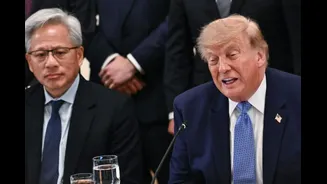
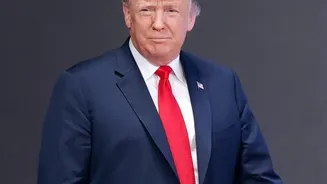
The pressure campaign took a dramatic and decisive turn when U.S. President Donald Trump began publicly advocating for Huang's return. In a series of statements on his Truth Social platform and to reporters, Trump urged the Nvidia board to rehire its founder. 'I hope the Board of Nvidia rehires Jensen Huang. It would be the best thing for the Company, and also, for the U.S.A.', he wrote in one post. The President framed Huang's leadership at Nvidia as critical to America's economic prosperity and its technological race against global competitors. This direct and repeated intervention by a sitting president in the leadership decision of a publicly traded company was highly unusual and significantly raised the stakes for Nvidia's board.
The Board's Dramatic Reversal
On November 23, the board made a stunning reversal, unanimously voting to reinstate Jensen Huang as President and CEO, effective immediately. In its official announcement, the board cited a crucial factor: it had 'received input from senior levels of the United States government' and, based on that input, was 'confident that Mr. Huang's reinstatement poses no national security risk'. Board Chair Harvey C. Jones stated, 'The Board believes Jensen is the right person to lead NVIDIA, and that his reinstatement is in the best interests of our stockholders, employees, partners and customers'. Upon his return, Huang expressed his honor and humility in resuming leadership of the company he built.
Aftermath: A Surging Stock and Lingering Questions
President Trump quickly claimed credit for the decision, telling CNBC, 'I spoke to them and I convinced them... I made the deal'. The market's reaction was immediate and explosive. Nvidia's stock surged over 30% on the news of Huang's return, recovering a significant portion of the value lost after his resignation. While the leadership crisis appears resolved, questions remain. The company has confirmed that the independent investigation into the allegations against Huang will continue to its conclusion. The episode has highlighted not only Huang's perceived indispensability to the AI industry but also the extraordinary concentration of influence within the sector and the new willingness of political leaders to intervene directly in corporate affairs.