







What Exactly Changed?
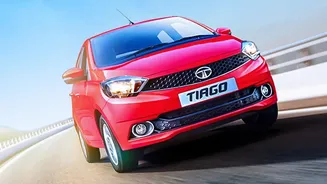
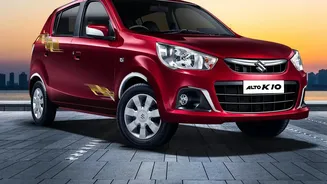
In a significant overhaul that took effect on September 22, 2025, the GST Council enacted a major tax reduction for the automotive sector. The most impactful change was for small cars, which saw their GST rate fall by ten percentage points, from 28% to 18%.
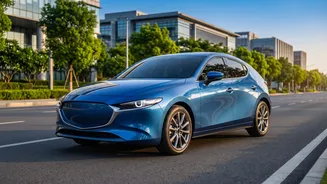
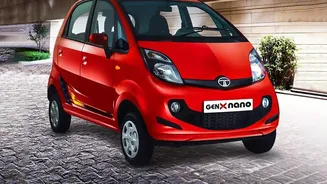
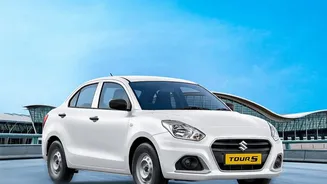
This defines a specific vehicle class: petrol cars with engines up to 1200cc and diesel cars with engines up to 1500cc, provided their length does not exceed four meters. Popular models from manufacturers like Maruti Suzuki, Hyundai, and Tata Motors fall into this category. The reform also simplified the tax structure for larger vehicles, moving them into a new 40% slab but removing the complex cess that previously pushed their total tax incidence as high as 50%.
Why the Small Car Segment Needed This Boost
For years, the small car was the undisputed champion of Indian roads, but its dominance had been waning. A combination of rising input costs, stricter safety and emission norms, and a strong consumer shift towards larger, feature-rich Sport Utility Vehicles (SUVs) had put the entry-level segment under immense pressure. The market share for hatchbacks had shrunk significantly in the years leading up to the GST change, dropping from nearly half the market in 2019 to around 28% by early 2025. Automakers had repeatedly called for government intervention to improve affordability, with industry leaders pointing to sluggish growth as a matter of considerable concern. The GST cut was a direct response to these calls, designed to make entry-level cars more accessible and stimulate demand.
The Impact on Your Wallet
The 10-percentage-point tax drop translates into substantial savings for consumers. For a hatchback with an ex-factory price of around ₹6 lakh, the reduction could lower the final cost by as much as ₹60,000. This makes a significant difference for first-time buyers and middle-income families, for whom the down payment and monthly EMIs are critical factors. Following the rate cut, some small cars are expected to be available for under ₹4 lakh for the first time in nearly five years. This improved affordability has been credited with bringing a wave of new customers back into showrooms, directly boosting sales for the most price-sensitive segment of the market.
A Resounding Industry Revival
The results have been immediate and dramatic. In the year since the GST cut, the auto industry has seen a major revival, with overall retail sales jumping by 20%. Maruti Suzuki, India's largest carmaker, reported that its passenger vehicle sales grew by about 36% year-on-year in the months following the reform, with the entry-level segment surging by an incredible 96%. This has helped arrest the decline in market share for small cars. Data shows the market share of entry-level hatchbacks rose from a low of 2.3% before the tax cut to 3.3% in the first five months of the current fiscal year. Industry leaders have called the reform a significant catalyst, enabling monthly sales volumes of over 4 lakh units to become the "new normal".
Is the Comeback Sustainable?
While the GST cut has undeniably revived the small car segment, the long-term trend towards SUVs remains powerful. Even with the sales surge in hatchbacks, SUVs have continued to expand their market share, climbing to 58% of the market. This indicates that while affordability is a crucial driver, consumer aspirations are increasingly shifting towards vehicles with more space, features, and road presence. The revival shows that when the price is right, there is still strong demand for entry-level models, especially in rural markets which have shown a massive spike in sales. However, the challenge for automakers will be to balance the renewed demand for affordable cars with the unstoppable popularity of the SUV.