

The Viral Trend: A Kitchen-Based Cure
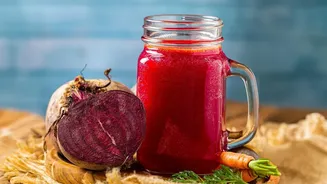
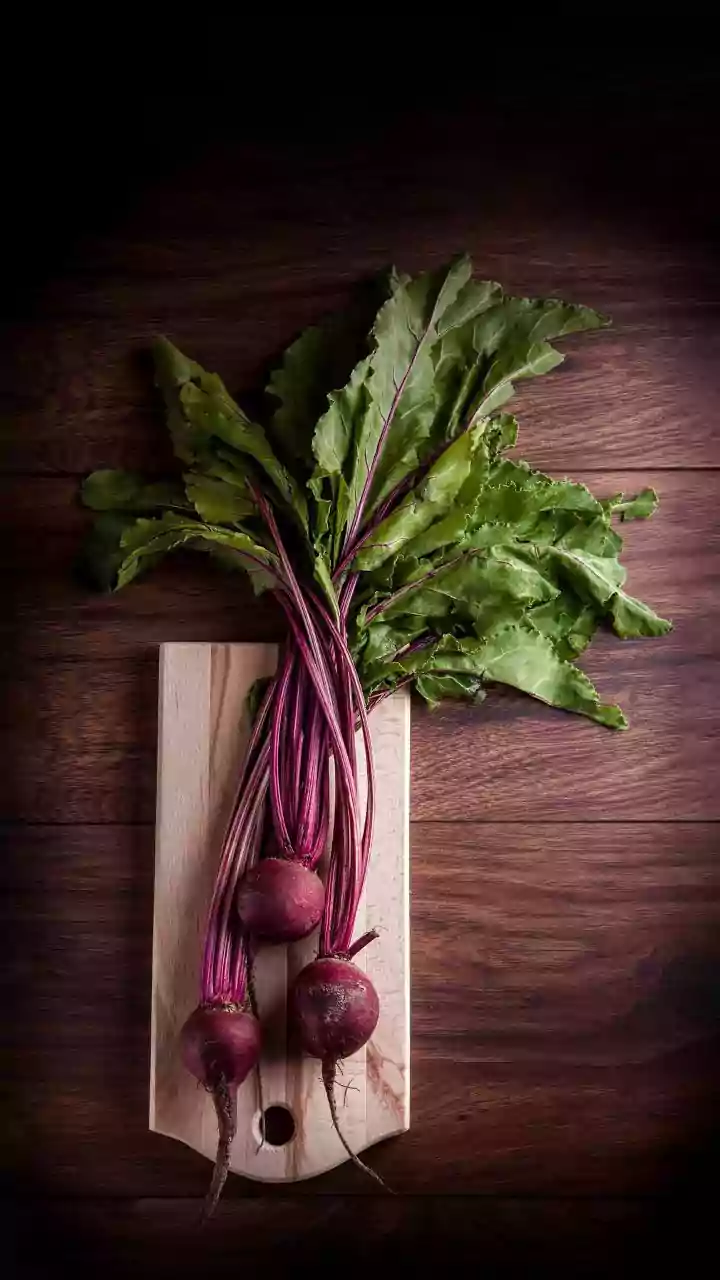
The appeal is obvious. In a world of complex chemical treatments, a simple, natural remedy from your own kitchen seems like a breath of fresh air. Influencers and DIY enthusiasts blend the humble beetroot, often mixed with ingredients like coconut oil
or yoghurt, and apply it as a thick, colourful paste. The promise is alluring: reduced hair fall, stimulated growth, and luscious, healthy locks. Given that beetroot is packed with nutrients like iron, potassium, and Vitamin C—all beneficial for overall health—it's easy to see why many believe it could be a miracle worker for hair.
The Cosmetic Effect: A Temporary Illusion
So, what happens when you slather this crimson concoction on your head? The most immediate and noticeable effect is cosmetic. The strong natural pigments in beetroot, called betalains, can impart a temporary reddish or purplish tint to your hair, much like a natural, chemical-free dye. This can be a fun way to experiment with a new shade without commitment. The mask can also add a bit of hydration and shine, as the paste coats the hair shaft, making it feel smoother and look glossier for a short time. This superficial enhancement might make hair appear healthier and fuller, which is where the perception of it being a hair-growth treatment likely originates.
The Science of Hair Loss
Here's where the myth begins to unravel. Significant hair loss, or alopecia, is a complex medical issue. It's most commonly caused by genetics and hormonal factors (like in male and female pattern baldness), but can also be triggered by nutritional deficiencies, severe stress, autoimmune diseases, and other underlying health conditions. These are internal issues that a topical application is not equipped to solve. While a deficiency in a nutrient like iron can cause hair loss, the solution is to correct that deficiency internally through diet or supplements, not by applying it to your scalp. There's limited scientific evidence that nutrients from a topical mask can penetrate the scalp effectively enough to treat a medical condition like hair loss.
What Beetroot Can and Cannot Do
While a beetroot mask won't cure baldness, it's not entirely useless. Its anti-inflammatory properties might help soothe an itchy, flaky scalp, potentially helping with dandruff. The antioxidants in beetroot can help protect hair from environmental damage. Furthermore, the nitrates in beetroot can improve blood circulation. Some suggest that applying it topically might boost blood flow to the scalp, which is a mechanism used by proven hair loss treatments like minoxidil. However, this is largely theoretical and not supported by robust clinical studies for topical beetroot application. The primary benefits of beetroot's nutrients are gained through consumption—eating the vegetable or drinking its juice allows your body to properly absorb the iron, folate, and vitamins that support healthy hair from within.
The Messy Reality and Potential Risks
Before you rush to the kitchen, consider the practical downsides. Beetroot stains everything it touches—your hands, your clothes, your towels, and your bathroom tiles. While the effect on your hair is temporary, the effect on your white grout might be more permanent. Additionally, as with any natural ingredient, there is a risk of skin irritation or allergic reaction. It's always wise to do a patch test before applying any new substance to your entire scalp.
Expert-Approved Solutions for Hair Loss
If you are genuinely concerned about hair loss, the best first step is to consult a dermatologist or trichologist. They can diagnose the root cause of your hair loss and recommend effective, scientifically-proven treatments. These may include FDA-approved topical solutions like minoxidil, oral medications, or other medical procedures. A professional can also run tests to check for nutritional deficiencies and recommend the appropriate dietary changes or supplements to address the problem from the inside out.