
A Colonial Ambition
The story of the Kalka-Shimla line is rooted in the British Raj. In 1864, Shimla was declared the official summer capital of British India, providing a cool escape from the scorching plains. For decades, the arduous journey to this mountain retreat was made
by horse, bullock cart, and palanquin. To establish a more reliable connection, Viceroy Lord Curzon sanctioned the construction of a narrow-gauge railway. Under the direction of chief engineer Herbert Septimus Harington, work began in 1898 on what would become a monumental undertaking. The line officially opened for traffic on November 9, 1903, forever changing the way people travelled to the 'Queen of Hills'.
An Engineering Marvel in the Mountains
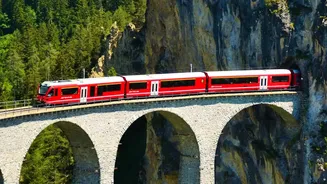
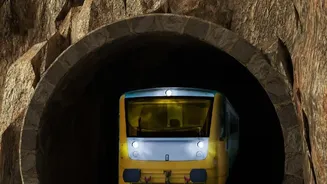
The railway is a testament to extraordinary engineering, a feat documented in the Guinness Book of World Records for its steep ascent. Winding over 96 kilometres, the track navigates more than 900 curves, crosses over 850 bridges, and passes through 102 tunnels. Each element was a challenge, built with manual tools and sheer determination. The line features remarkable structures like the multi-tiered arch gallery bridge at Kanoh, one of the highest of its kind. The most famous of its tunnels is at Barog, which at over a kilometre, is the longest on the route and has a tragic local legend associated with its original construction. This combination of sharp bends and numerous tunnels against a rugged backdrop makes the railway an engineering marvel.
The Slow Charm of the Journey
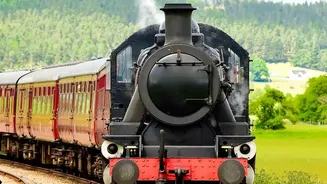
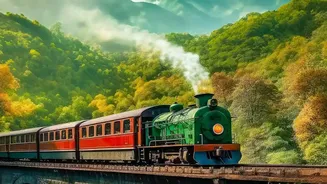
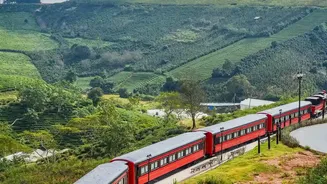
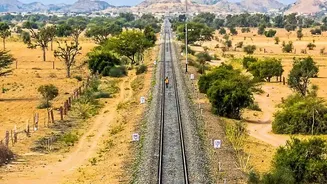
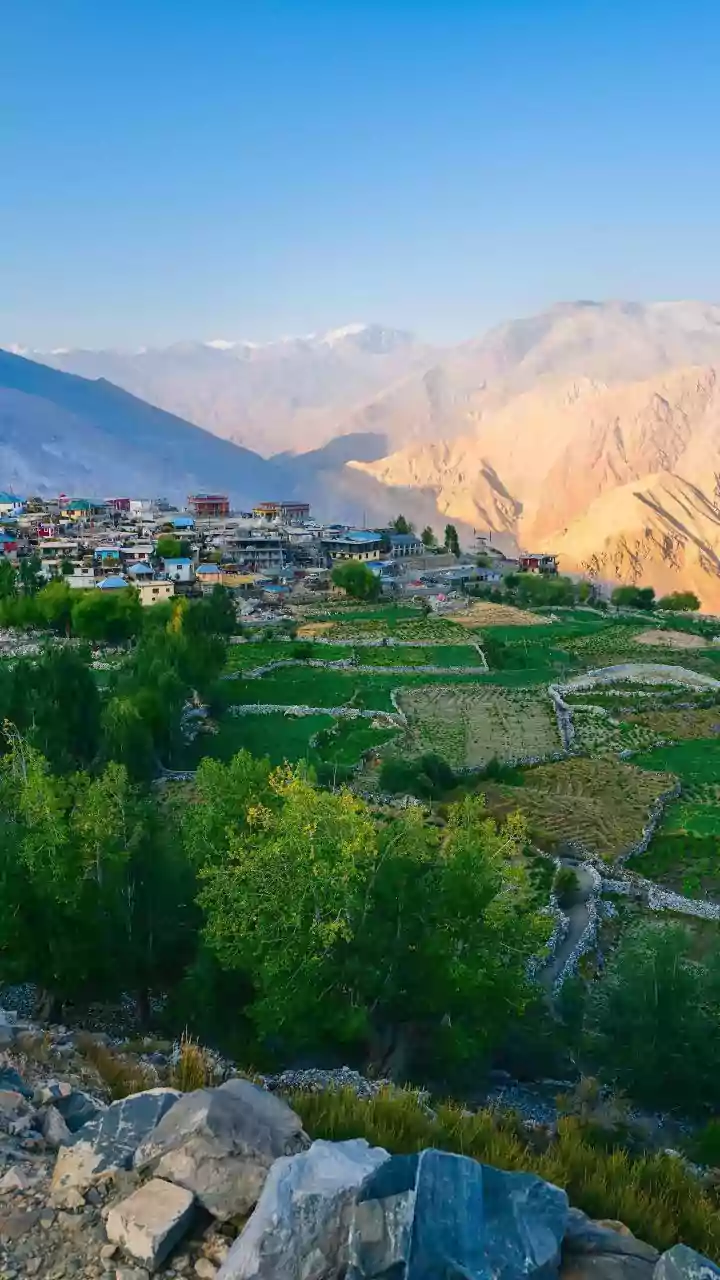
In a world obsessed with speed, the Kalka-Shimla train offers a welcome antidote. The journey takes around five to six hours, with the train moving at a gentle pace that allows passengers to soak in the spectacular scenery. The route begins in the foothills at Kalka and gradually ascends through a changing landscape of lush forests, deep valleys, and charming hillside villages. From the windows, travellers can watch daily life unfold—children walking home from school, locals basking in the sun, and dogs lazing about. The quaint stations along the way, such as Dharampur, Barog, and Solan, add to the nostalgic experience, feeling like portals to a bygone era.
A Living World Heritage
In 2008, the Kalka-Shimla Railway was inscribed on the UNESCO World Heritage list, joining the Darjeeling Himalayan Railway and the Nilgiri Mountain Railway as part of the 'Mountain Railways of India'. The recognition was granted not just for its engineering ingenuity, but for being an “outstanding example of a hill passenger railway” that is still fully operational. The UNESCO status highlights the line's profound impact on the social and economic development of the region. It is a living, breathing piece of history, cherished by both tourists seeking a scenic adventure and locals who use it for daily travel.
Navigating Modern Challenges
While its heritage is preserved, the railway is not immune to modern challenges. Being situated in the fragile Himalayan ecosystem, the line is vulnerable to the elements, especially during the monsoon season. Landslides can cause frequent disruptions, posing a safety risk and leading to temporary service suspensions. In July 2026, for example, several services were suspended for a period due to heavy rains and the associated risk of landslides. Despite these hurdles, Indian Railways continues to maintain this historic line, balancing passenger safety with the preservation of this iconic route for future generations to enjoy.