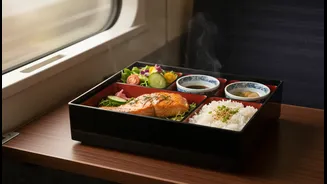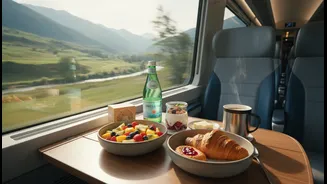








The End of the Food Lottery
For decades, long-distance train passengers have faced a culinary dilemma: brave the often-unpredictable quality of the pantry car or risk a meal from an unauthorised vendor on the platform. Stories of questionable hygiene, inconsistent taste, and the dreaded
'Delhi belly' are woven into the fabric of Indian train travel. This uncertainty often meant that carrying home-cooked food, which would lose its freshness over a long journey, was the only truly safe option. The core of the problem has always been a lack of accountability and transparent hygiene standards, leaving travellers to hope for the best.
A Digital Solution Arrives
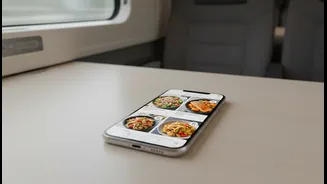
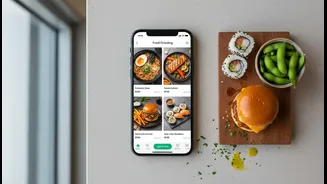
The solution has emerged from a combination of technology and regulation. Indian Railways Catering and Tourism Corporation (IRCTC) has developed its own eCatering service, often accessed through the 'Food on Track' app, and has also authorized several private aggregator apps to deliver food to passengers. These platforms, such as Zoop, RailRestro, and RailMitra, have created an ecosystem that connects passengers directly with established restaurants in cities along their route. Instead of relying on a mobile kitchen with limited resources, your order now goes to a stationary, land-based restaurant kitchen, a fundamental change that significantly improves the entire process.
How It Works: PNR to Plate
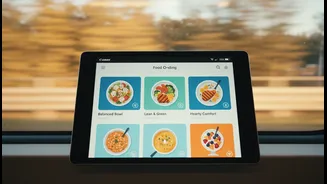
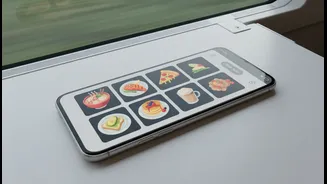
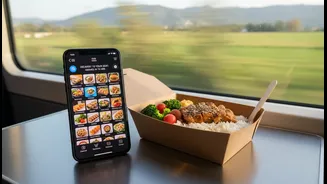
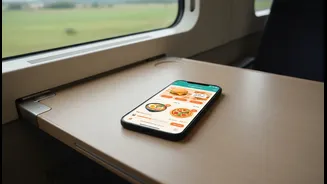
The process is remarkably simple and built around your journey details. Using your 10-digit PNR number, you log into one of the official apps or websites. The system uses your PNR to identify your train, coach, and seat, as well as track its real-time location. You can then see a list of partner restaurants available at upcoming stations on your route. You choose a restaurant, browse its menu, place your order, and pay online or select cash on delivery. The restaurant prepares the meal fresh and a delivery person brings it directly to your seat when the train halts at the designated station. This tech-driven coordination ensures that even if your train is delayed, the restaurant is notified and adjusts the prep time accordingly.
The FSSAI-Approved Safety Advantage
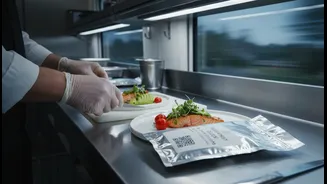
This is the most critical advantage these services offer over traditional options. A key requirement for any restaurant to be listed on these official platforms is a valid license from the Food Safety and Standards Authority of India (FSSAI). This means the kitchens are subject to regulation and inspection, something completely absent with unofficial platform vendors. The FSSAI license provides a crucial layer of accountability. Furthermore, Indian Railways is enhancing transparency by introducing QR codes on food packaging, which can allow passengers to trace the meal back to the originating kitchen and see its manufacturing date. This system makes it much harder for unhygienic or expired food to enter the supply chain.
Navigating the Crowded App Market
The popularity of this service has unfortunately led to the rise of unauthorized and fraudulent apps that mimic official services. These platforms can pose risks, from poor food quality to data and payment insecurity. IRCTC is actively working to curb these illegal operators, having recently taken legal action against several non-compliant websites and apps to protect passengers. To stay safe, it is crucial for passengers to use only the official IRCTC eCatering website, its 'Food on Track' app, or well-established, authorized partners. Always check for official IRCTC partnership credentials before placing an order.
Beyond Safety: A World of Choice
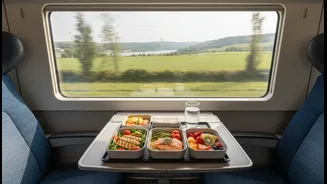
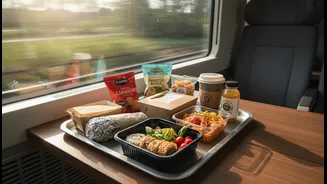
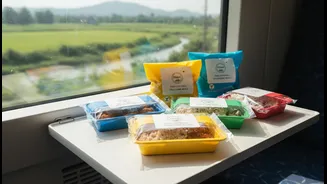
While safety is the primary benefit, the revolution in train dining also brings an unprecedented level of choice and variety. The standard pantry car thali is no longer the only option. Passengers can now order everything from biryani and pizza to South Indian dosas and Chinese noodles. This is a game-changer for families with children, groups with varied tastes, and individuals with specific dietary requirements. Many apps offer dedicated filters for pure vegetarian or Jain meals, ensuring that food is sourced from kitchens that respect these dietary needs, a promise that is hard to verify on the train itself.