






Understanding Leather's Needs
Think of leather as a natural material, because that's what it is. It's processed animal skin, and just like our own skin, it contains oils and moisture that keep it flexible and soft. Over time, exposure to heat, sunlight, and dry air causes these essential
oils to evaporate. When this happens, the leather's collagen fibers become brittle, leading to stiffness, a dull appearance, and eventually, irreversible cracks. Conditioning is the process of replenishing these lost oils to restore moisture and preserve the leather's strength and flexibility.
Cleaner vs. Conditioner: Not the Same Thing
A common point of confusion is the difference between a leather cleaner and a conditioner. A cleaner is designed to remove surface-level dirt, grime, and stains. A conditioner, on the other hand, is a moisturizing agent that penetrates deep into the leather’s pores to nourish the fibers from within. It's crucial to always clean leather before conditioning. Applying conditioner to a dirty surface can trap grit and grime, preventing the product from being properly absorbed and potentially damaging the leather over time. Think of it like skincare: you wash your face before you apply moisturiser.
How to Choose the Right Conditioner
Not all conditioners are created equal. They typically come in the form of creams, oils, or waxes. Many high-quality conditioners use natural ingredients like mink oil, neatsfoot oil, lanolin, and beeswax. These ingredients are effective at penetrating and nourishing the leather. The right choice depends on your item. A heavy-duty wax might be perfect for rugged work boots, while a lighter cream is better suited for a soft handbag or jacket. It's important to avoid general household products like olive oil, which can go rancid, or harsh chemicals that can strip the leather. Always check the product label and, if in doubt, choose one specifically formulated for your type of leather. For delicate materials like suede or nubuck, you must use specialised products designed for their unique texture.
Your Step-by-Step Guide to Conditioning
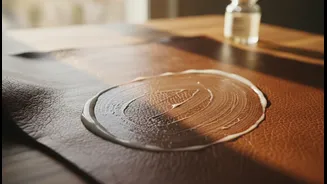
Conditioning leather is a simple process that yields significant rewards. First, ensure the item is clean by wiping it with a soft, damp cloth or a dedicated leather cleaner. Allow it to air dry completely, away from direct heat or sunlight. Next, perform a spot test. Apply a small amount of conditioner to an inconspicuous area, like the inside of a strap or cuff, to see how it affects the color. Some conditioners can slightly darken leather. Once you're satisfied, apply a small, dime-sized amount of conditioner to a clean, lint-free cloth. Work the product into the leather using gentle, circular motions, ensuring even coverage. Let the conditioner absorb for at least 15-30 minutes, or even overnight. Finally, use a separate clean, dry cloth to buff the surface and wipe away any excess product.
Common Mistakes to Avoid
While conditioning is straightforward, a few common errors can do more harm than good. The biggest mistake is over-conditioning. Applying too much product or doing it too frequently can clog the leather’s pores, making it feel greasy and attracting dirt. For most items, conditioning every three to six months is sufficient, though items in dry climates or those under heavy use may need it more often. Another mistake is applying conditioner to wet leather, which can trap moisture and lead to mould. Also, never try to speed up the drying process with a hairdryer or by placing the item near a radiator, as intense heat will make the leather brittle.