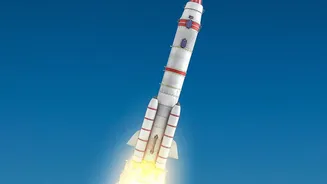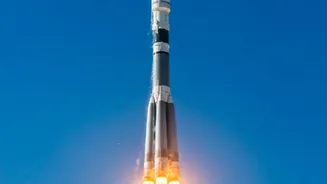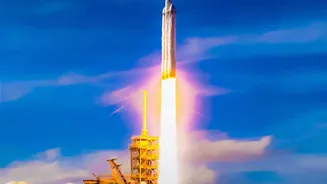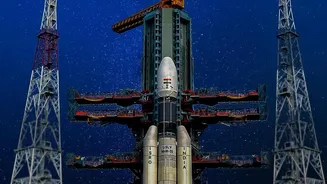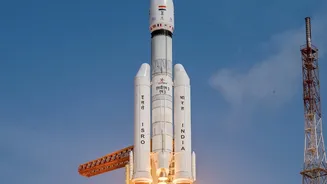






The Reusability Revolution
For decades, space travel followed an incredibly wasteful model: build a complex, expensive rocket, use it once, and let it burn up or crash into the ocean. Imagine buying a new car for every single road trip. This is why getting to orbit was astronomically
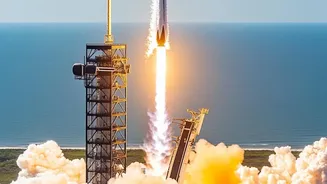
expensive. The game-changer has been reusability. Companies like SpaceX pioneered the technology to land and reuse the first stage of their rockets—the largest and most expensive part.. By recovering, refurbishing, and flying these boosters again, the manufacturing cost is spread across many missions.. This single innovation has slashed the cost of reaching space, turning what was once a monumental, one-off expense into a more manageable, operational one, much like an airline reuses its fleet.. This shift is the bedrock upon which the new space economy is being built.
Why Reliability is Non-Negotiable
While lower cost opens the door, reliability is what lets you confidently walk through it. In space, there are no second chances. A launch failure can mean the loss of a multi-million dollar satellite and years of work. Reliable operations are paramount for ensuring mission success, securing lower insurance premiums, and building a sustainable business.. Interestingly, reusability and reliability feed into each other. The more you fly a particular rocket design, the more data you gather.. Engineers can analyze every detail from each flight and landing, making iterative improvements that enhance the system's overall robustness. This feedback loop, enabled by a higher launch frequency, leads to safer and more dependable rockets. Just as commercial air travel became one of the safest modes of transport through decades of operational experience, frequent reuse is hardening space systems and building trust among commercial and government customers.
The All-Important Bottom Line
When you combine reusability with proven reliability, the result is a dramatic drop in launch costs. A few years ago, sending one kilogram of payload to low Earth orbit could cost over $10,000.. With reusable rockets, that price has plummeted to under $3,000, and there are projections it could eventually fall below $100 per kilogram.. This steep price reduction does more than just save money; it unlocks entirely new possibilities. Suddenly, ambitious projects like massive satellite internet constellations (such as Starlink and Amazon's Project Kuiper) become economically viable.. It opens the door to space tourism for more than just billionaires, and makes future concepts like in-orbit manufacturing, asteroid mining, and permanent lunar bases seem less like science fiction and more like a credible business plan..
India's Ascent in the New Space Race
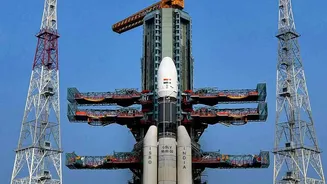
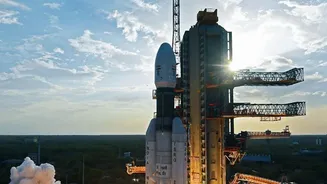
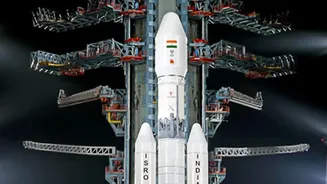
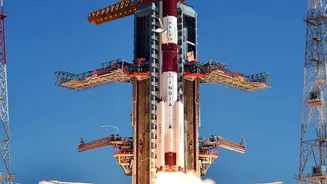
India is positioning itself to be a major player in this new, cost-effective space era. The Indian Space Research Organisation (ISRO) is actively developing its own reusable technology through the Reusable Launch Vehicle - Technology Demonstrator (RLV-TD) program.. Having successfully completed several autonomous landing experiments, ISRO is steadily building the capabilities for a future two-stage-to-orbit reusable vehicle.. Simultaneously, India's private space sector is booming, spurred by government reforms and the creation of IN-SPACe to facilitate private enterprise.. Hyderabad-based Skyroot Aerospace made history by launching its Vikram-1 rocket, making India only the third country with a private company capable of orbital launches.. Other startups like Agnikul Cosmos and OMSPACE are also developing their own launch vehicles, many with reusability as a core goal, ensuring India has both public and private pathways to affordable space access..