
An Eye in the Martian Sky
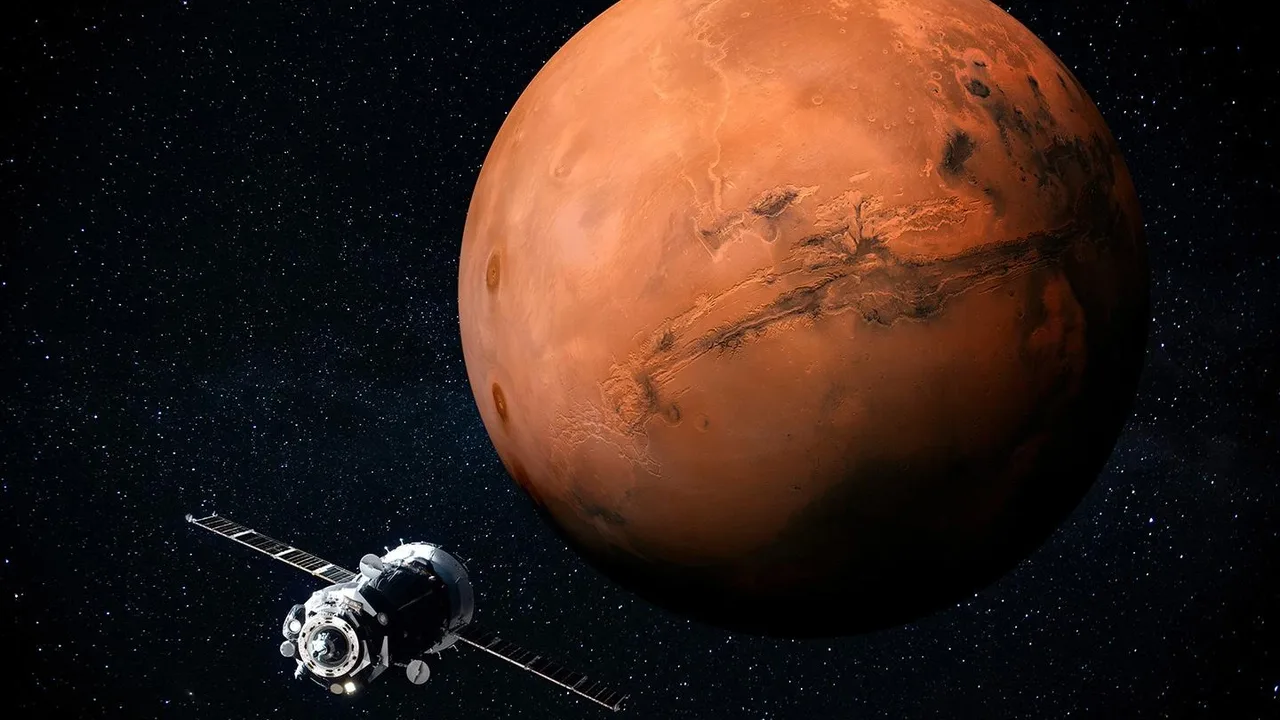
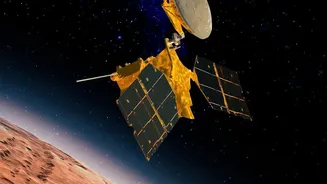
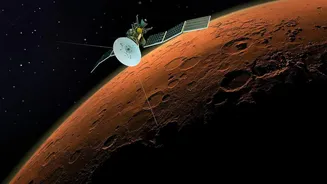
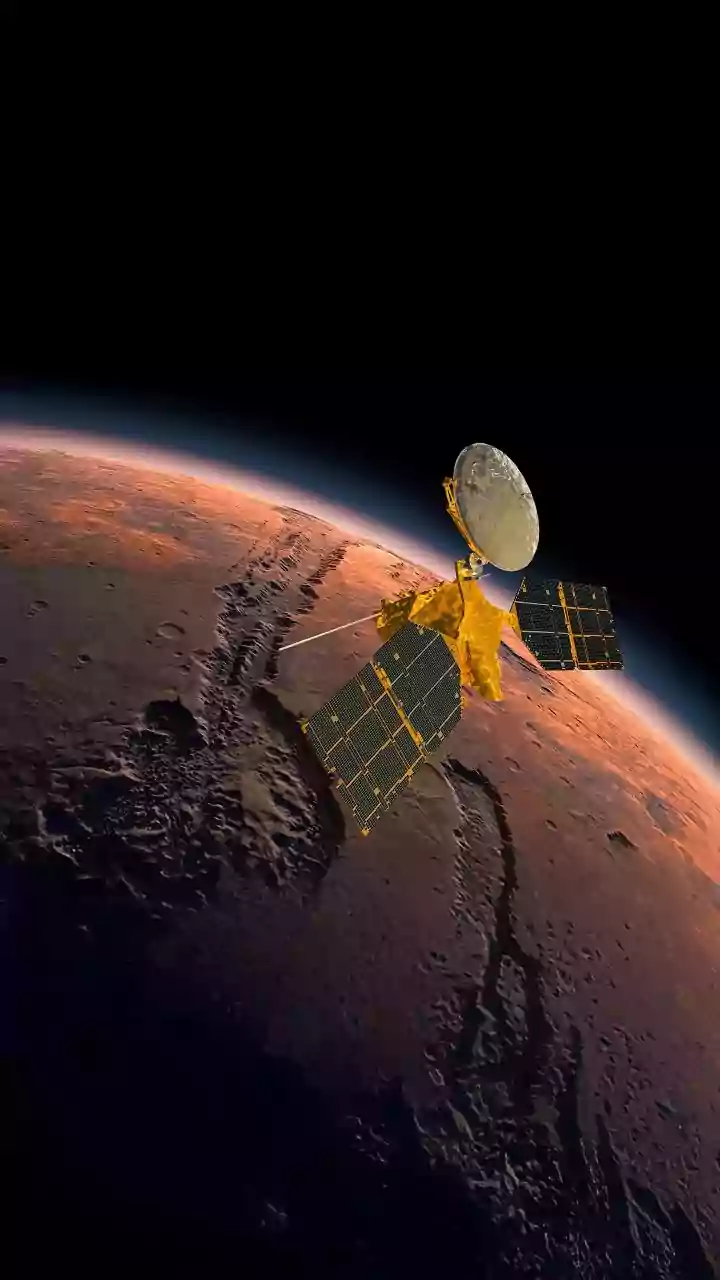
The key to this discovery lies with the Emirates Mars Mission, also known as the Hope Probe. Launched by the United Arab Emirates in 2020, Hope is the Arab world's first interplanetary mission and has been orbiting Mars since February 2021. Its primary
goal is to create the first complete picture of the Martian atmosphere, studying weather cycles, dust storms, and how the planet loses gases like hydrogen and oxygen to space. Equipped with powerful instruments, including an infrared spectrometer, Hope provides a global perspective on Mars' climate that wasn't possible before. This mission shares its valuable data with the global scientific community, enabling researchers from all over the world to piece together the puzzles of the Martian environment.
India's Space Detectives
Enter the scientists from the Physical Research Laboratory (PRL) in Ahmedabad. PRL, a unit of India's Department of Space, is a premier institution at the forefront of space and atmospheric sciences. Tapping into the publicly available data from Hope’s infrared spectrometer, the PRL team embarked on a detailed investigation of the Martian atmosphere. This is a prime example of how modern space science works: one country can launch a mission, but researchers globally can analyse the data to make new discoveries. This collaborative approach accelerates our understanding and showcases India's growing expertise in planetary data analysis, complementing the country's own celebrated Mars Orbiter Mission (Mangalyaan).
Ripples in a Thin Atmosphere
The PRL team focused on a phenomenon known as atmospheric temperature waves. Think of them as giant, invisible ripples moving through Mars's thin air. Just as a boat creates waves in water, various forces on Mars—like the Sun's heating and the planet's rotation—create massive waves in the atmosphere. These aren't like ocean waves you can see, but are instead fluctuations in temperature and pressure that travel across the planet. One specific type, called Kelvin waves, are large-scale atmospheric waves that play a crucial role in transporting energy from one part of the planet to another. By studying these waves, scientists can understand how heat and weather patterns move and evolve on Mars.
The Dust Storm Connection
The big breakthrough from the PRL study was connecting these atmospheric waves to another famous Martian feature: dust storms. Mars is known for its colossal dust storms that can sometimes envelop the entire planet. The Indian researchers found that these dust storms have a dramatic and far-reaching impact on the atmosphere. As dust kicks up from the surface, it absorbs sunlight and heats the air around it. The PRL study demonstrated how this heating process energises and amplifies the atmospheric waves, causing significant temperature swings. These waves were found to propagate high into the atmosphere, linking weather events happening near the ground to changes occurring hundreds of kilometres above.
Why This Discovery Matters
Understanding this connection between dust storms and atmospheric waves is more than just a weather report for another planet. It fundamentally changes our models of the Martian climate. For one, it helps explain how energy is transported between the lower and upper atmosphere, a key factor in why Mars lost most of its once-thicker atmosphere and liquid water. Accurate atmospheric models are also critical for the safety and success of future missions to Mars, especially those involving landers, rovers, and eventually, human explorers. Knowing how a regional dust storm could trigger widespread atmospheric changes is vital for mission planning. This research by PRL not only deepens our knowledge of Mars but also solidifies India's position as a key player in the global space science community.