


A Critical Global Chokepoint
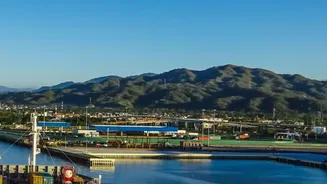
The Bab el-Mandeb Strait, a narrow 30-kilometre channel separating Yemen on the Arabian Peninsula from Djibouti and Eritrea in Africa, is one of the world's most critical maritime chokepoints. Its name means "Gate of Tears" in Arabic, but for global trade,
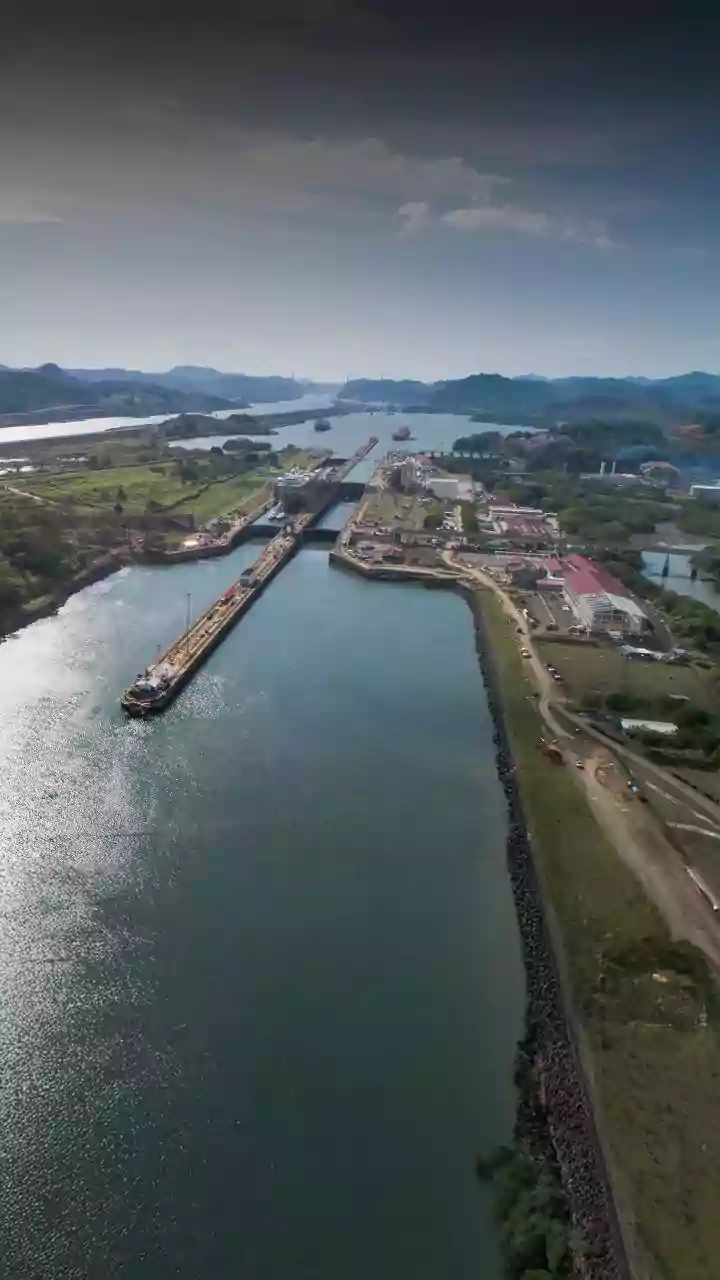
it has long been the gate to efficiency. It connects the Red Sea to the Gulf of Aden, forming the southern entrance to the Suez Canal. For any ship wanting to use the Suez Canal as a shortcut between Asia and Europe, transiting the Bab el-Mandeb is non-negotiable. Before the Houthi attacks began in late 2023, this strait was a picture of constant motion, a vital conveyor belt for the global economy. Approximately 12-15% of all global maritime commerce passed through this narrow waterway annually. On an average day, dozens of vessels would line up, from the largest container ships to specialized tankers, all relying on this passage for the fastest route.
The Energy Superhighway
Before the crisis, the strait was less a waterway and more an energy superhighway. In the period leading up to the end of 2023, an enormous volume of oil and liquefied natural gas (LNG) transited through this chokepoint daily. The US Energy Information Administration (EIA) reported that in 2023, oil flows through the strait averaged a staggering 8.7 million barrels per day (b/d). This represented a significant portion of the world's seaborne oil trade. To put that in perspective, it is nearly half of the entire volume passing through the world's most famous oil chokepoint, the Strait of Hormuz. Similarly, the route was vital for LNG, with about 8% of the world's total traded volume passing through the associated Suez Canal, much of it from Qatar heading to European markets. These weren't just abstract numbers; they were the lifeblood of economies, powering industries and heating homes across Europe and Asia.
A World of Goods on the Move
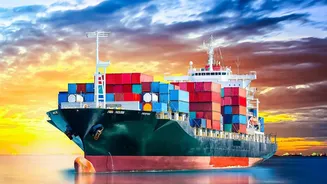
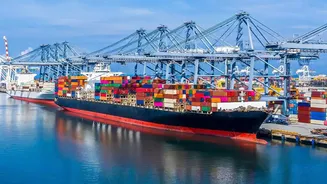
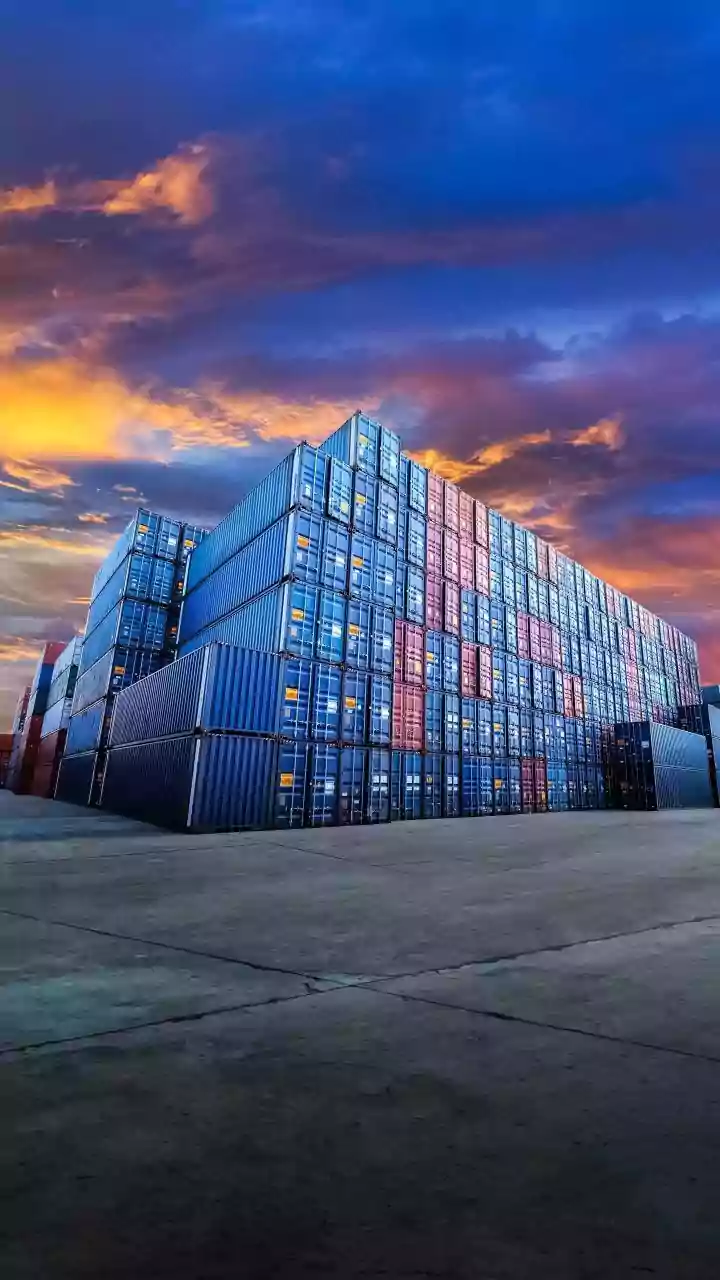
Beyond energy, the Bab el-Mandeb was a crucial corridor for finished goods that stock the shelves of stores worldwide. Before the attacks, around 30% of all global container shipping volumes passed through the Suez Canal, and therefore, through the strait. In the months before the crisis escalated, an average of 542 cargo-carrying vessels transited the strait every week. This included 130 container vessels each week, ships stacked high with everything from electronics and clothing to car parts and furniture. These vessels, operated by the world's largest shipping lines, relied on the speed and predictability of the Suez route. The alternative—sailing around Africa's Cape of Good Hope—adds up to two weeks and thousands of extra nautical miles to the journey, a costly and inefficient diversion that shipping companies avoided whenever possible.
The Indian Connection
For India, the stability of this route was paramount. The Suez Canal-Bab el-Mandeb corridor is a strategic route for a massive portion of India's foreign trade, particularly with Europe and the Americas. Before the disruptions, it was estimated that the route accounted for around 35% of India's total foreign trade. This includes critical exports of textiles, pharmaceuticals, and machinery to key Western markets. Even more crucially, the route was a highway for energy imports. In 2023, an estimated 65% of India's crude oil imports, valued at over $105 billion, likely passed through or near this region. The 'pre-war' flow of traffic represented a stable and cost-effective supply chain. The subsequent disruption has forced Indian exporters and importers to contend with higher freight costs, longer transit times, and increased insurance premiums as ships are forced to take the long way around Africa.