






Why Gentle Movement Matters
Gentle yoga focuses on slow, mindful movements and deep breathing. Unlike more intense yoga styles, the goal isn't to break a sweat but to activate the body’s relaxation response. This practice helps calm the parasympathetic nervous system, which can
lower stress hormones, reduce anxiety, and improve sleep quality. Research suggests that even short, consistent sessions can lead to increased flexibility, better posture, improved circulation, and enhanced body awareness. It's an approach that meets you where you are, making it ideal for beginners, those with physical limitations, or anyone seeking a low-impact way to de-stress.
Morning Poses to Start Your Day
Beginning your day with movement can set a positive tone. You don't need a lot of time; just a few minutes can awaken the body and mind. One of the most effective morning movements is the Cat-Cow stretch (Marjaryasana-Bitilasana). Start on your hands and knees. As you inhale, drop your belly, lift your chest, and look forward into Cow pose. As you exhale, round your spine toward the ceiling and tuck your chin to your chest into Cat pose. This simple flow warms up the spine, eases back tension, and syncs your breath with your movement, promoting a sense of calm to carry you through the day.
A Midday Reset at Your Desk
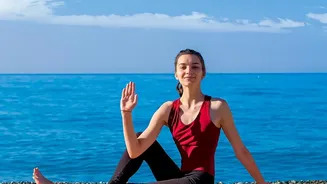
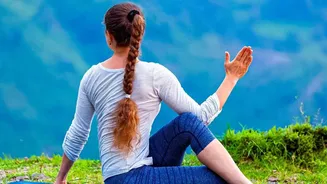
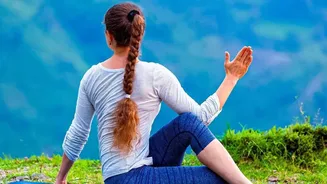
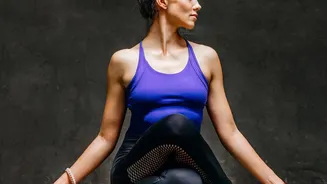
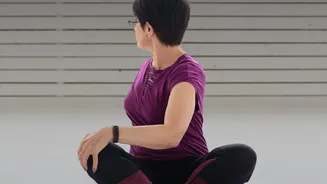
Long hours of sitting can lead to stiffness in the back, neck, and shoulders. You can counteract this without leaving your chair. A seated spinal twist offers a great release. Sit tall with your feet flat on the floor. On an exhale, gently twist your torso to one side, using the chair for light support. Hold for a few breaths, feeling the stretch through your spine, then repeat on the other side. You can also practice a modified Cat-Cow in your chair, placing your hands on your knees and arching and rounding your spine. These small breaks can prevent muscle tension and refresh your focus.
Evening Stretches to Unwind
Preparing your body for rest is crucial for a good night's sleep. Two incredibly restorative poses are Child's Pose (Balasana) and Legs-Up-the-Wall (Viparita Karani). For Child's Pose, kneel on the floor, sit back on your heels, and fold forward, resting your forehead on the mat. This posture gently stretches the back and hips while calming the mind. For Legs-Up-the-Wall, lie on your back and swing your legs up to rest against a wall. This simple inversion helps relieve tired legs and feet, improves circulation, and has a deeply relaxing effect on the nervous system. Holding this pose for just five to ten minutes can significantly reduce stress and prepare you for sleep.
Creating a Consistent Practice
The key to reaping the benefits of yoga is consistency, not intensity. Start small by choosing one time of day to practice for just five or ten minutes. Don't worry about doing it perfectly; focus on how you feel. The most important principle is to listen to your body and avoid pushing into any sharp pain. You don’t need special equipment—a comfortable space is enough. Over time, you might extend your sessions or try new poses, but the foundation is simply showing up for yourself each day. By making these gentle movements a regular part of your life, you build a sustainable habit that supports both physical and mental well-being.