





AI on the Farm: A Digital Harvest
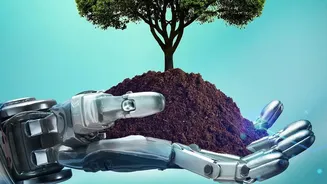
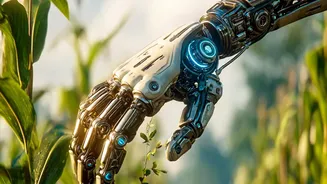
The journey of our food begins in the field, and that's where AI is first making its mark. Farmers are beginning to use AI-powered tools for 'precision agriculture'. This includes drones that monitor crop health from above, smart sensors that analyse
soil conditions, and autonomous robots that can plant seeds, remove weeds, and even harvest crops. By using data to make precise decisions, farms can increase their yields, use less water and fertilizer, and operate more efficiently. For example, AI can analyze weather forecasts and soil moisture to tell a farmer the exact right time and amount to irrigate, conserving a precious resource. This heightened efficiency on the farm is the first step in changing the economics of the entire food supply chain.
Smarter Factories and Safer Food
Once crops leave the farm, they enter the world of processing and manufacturing, another area ripe for AI-driven transformation. In food processing plants, AI-powered computer vision systems can inspect products on a conveyor belt with incredible speed and accuracy, spotting defects or contaminants that a human eye might miss. This enhances food safety and ensures consistent quality. AI also helps optimize the manufacturing process itself by predicting when machinery might need maintenance, preventing costly breakdowns. By reducing errors and downtime, companies can lower their operational costs, savings that could eventually be passed on to the consumer.
The Future of Your Grocery List
AI is also changing the way we shop for food. Retailers are using AI to manage inventory with greater precision, predicting demand for certain products to reduce overstocking and food waste. Some stores are implementing dynamic pricing, where AI algorithms can automatically discount items that are close to their expiration date, offering bargains to shoppers and cutting losses for the store. This is often done using electronic shelf labels that can be updated in seconds. Beyond pricing, AI is also enabling more personalized shopping experiences, with apps that can offer tailored dietary recommendations or create shopping lists based on your preferences.
What This Means for Your Wallet
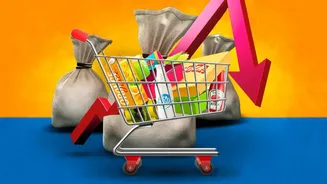
The ultimate question for most consumers is: will AI make my food cheaper? The answer is complex. On one hand, the efficiencies gained from farm to factory could lead to lower production costs. Reducing food waste through better demand forecasting also means fewer losses for businesses to cover. Algorithmic pricing can result in more frequent discounts on certain items. However, the initial investment in this technology is substantial, and these costs may be factored into prices. While AI can make the system more efficient, it's not a guaranteed path to a lower grocery bill for everyone, and the benefits will depend on how companies choose to use the technology and pass on any savings.
The Challenges on the Horizon
While the potential benefits are significant, the integration of AI into the food system is not without its challenges. A major concern is job displacement, as automation could replace human workers in agriculture and manufacturing. There are also questions of data privacy, especially as companies collect more information about our shopping habits and dietary preferences. For the system to be fair, there's also a need to ensure that small farmers are not left behind, as the high cost of implementation could widen the gap between large corporations and smaller family farms. Finally, consumers themselves have to be on board; some studies show that while people support using AI to improve food production, they also demand transparency about how it's being used.