



1. The Classic Garlic Stir-Fry
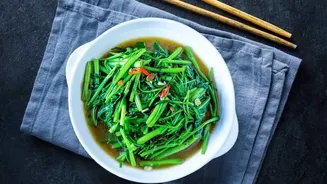
For a meal that comes together in minutes, the stir-fry is your best friend. This method is all about high heat and speed, preserving the bok choy’s signature crunch while infusing it with flavor. Start by heating a bit of oil in a wok or large skillet.
Sauté aromatics like minced garlic and ginger until they’re fragrant, which only takes a moment. Add your washed and chopped bok choy, tossing it quickly to coat. The key is to keep things moving so the leaves wilt perfectly while the white stems remain crisp and succulent. A splash of soy sauce, a dash of sesame oil, and perhaps a pinch of sugar create a simple yet profoundly savory sauce that clings to every piece. This dish is a perfect light meal on its own or can be served over fluffy rice with a side of grilled chicken or tofu for a more substantial dinner.
2. The Hearty Noodle Soup
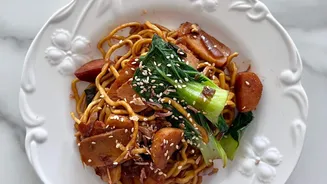
When you crave comfort, nothing delivers like a steaming bowl of noodle soup. Bok choy is a fantastic addition, adding a fresh, clean element that balances richer flavors. Its structure holds up well in broth, with the leaves becoming silky and the stalks turning tender-crisp. To make it, bring your favorite broth—whether it's chicken, vegetable, or miso—to a simmer. Add noodles of your choice, from ramen to udon, and let them cook. In the last few minutes of cooking, drop in the bok choy. The stalks need a couple of minutes to soften, while the delicate leaves wilt almost instantly. You can elevate the soup with additions like sliced mushrooms, soft-boiled eggs, or pre-cooked wontons for an incredibly satisfying and hearty one-bowl meal that feels both wholesome and restorative.
3. The Slow and Savory Braise
Braising transforms bok choy, softening its entire structure into a melt-in-your-mouth texture that’s bursting with flavor. While it takes a little more time than a stir-fry, the process is largely hands-off and deeply rewarding. Typically, baby bok choy is cut in half lengthwise. The pieces are first seared cut-side down in a pan to get a beautiful caramelization, then simmered gently in a flavorful liquid. This braising liquid is often a savory mix of broth, soy sauce, a hint of sugar for balance, and aromatics like garlic. As it cooks, the bok choy absorbs the surrounding flavors, becoming intensely savory and tender. The remaining liquid can be reduced to a glossy glaze to pour over the top, making for an elegant side dish that pairs wonderfully with roasted meats or fish.
4. The Simple, High-Heat Roast
Roasting is a wonderfully simple technique that brings out a different side of bok choy. A hot oven transforms it, creating tender stalks and leaves with delightfully crispy, charred edges. Preheat your oven to a high temperature, around 450°F (232°C). Toss halved or quartered bok choy with a light coating of olive oil, salt, and pepper, and spread it in a single layer on a baking sheet. Roast for about 10 to 15 minutes, flipping halfway through, until the stems are tender and the leafy edges are browned and crisp. For extra flavor, you can toss it with a mixture of soy sauce, sesame oil, and garlic before roasting. This method works equally well for a quick weeknight side or as a component in a larger sheet-pan dinner.
5. The Crisp and Refreshing Salad
For the ultimate light and crisp preparation, use bok choy raw in a salad. Its crunchy texture and mild, slightly sweet flavor make it a fantastic base. The key is to slice it thinly, both the white stalks and the green leaves, to create a pleasant texture that’s easy to eat. Combine the sliced bok choy with other crunchy vegetables like carrots, bell peppers, and celery. A bright, Asian-inspired vinaigrette works beautifully here. Whisk together sesame oil, rice vinegar, a touch of soy sauce, and a little honey or maple syrup for sweetness. Toss everything together and finish with a sprinkle of toasted sesame seeds or sliced almonds for extra crunch and nutty flavor. It’s a refreshing, hydrating, and incredibly quick dish for a light lunch or a vibrant side.