





The New Everyday Luxuries
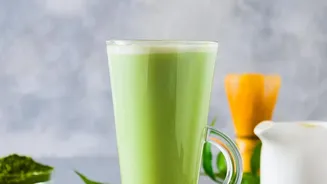
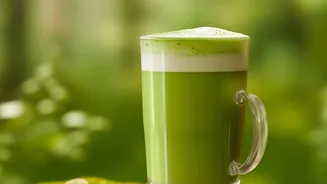
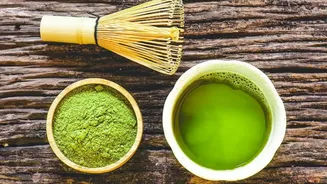
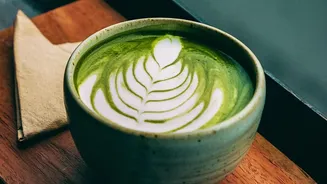
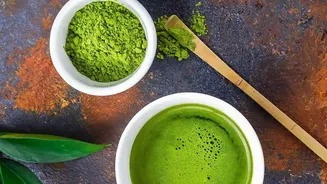
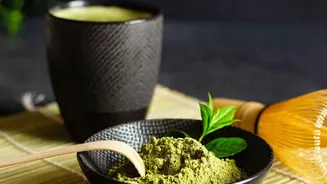
Not long ago, matcha was a niche green tea powder found only in specialty stores. Today, searches for 'how to make matcha' have surged in India. Simultaneously, scented candles, once reserved for special occasions or high-end hotels, are becoming a staple
of home decor. The Indian candle market is experiencing robust growth, driven by an increasing interest in creating a pleasant home atmosphere. These aren't just random purchases. The rise of matcha-scented candles, a product that literally combines both trends, shows how intertwined these new desires are. They represent a move toward small, accessible luxuries—items that offer a sense of wellness, calm, and aesthetic pleasure in daily life.
A Deeper Focus on Wellness
This shift is anchored in a broader, more profound trend: the prioritization of health and wellness. Indian consumers are moving beyond a traditional view of health as the mere absence of disease to a holistic approach that includes physical, mental, and social well-being. This is driven by a growing awareness of lifestyle-related health issues and a desire for preventative care. This has sparked a demand for everything from healthier foods and fitness routines to products that support mental wellness and self-care. The home is being reimagined as a sanctuary, a space for relaxation and de-stressing, which helps explain the boom in home fragrances and decor. Consumers are actively seeking products that help them build routines around well-being, from morning rituals to evening wind-downs.
The Digital Discovery Engine
This lifestyle evolution is being fueled by digital platforms. Social media is now a primary engine for product discovery in India, with nearly 80% of home shoppers finding new items through these channels. Young, digitally-savvy consumers, particularly those aged 18-28, are heavily influenced by creators and influencers when making purchasing decisions. Platforms like Instagram and YouTube have made global trends instantly accessible, creating a desire for products that align with a modern, wellness-oriented aesthetic. This digital exposure allows consumers to research products, compare reviews, and engage directly with Direct-to-Consumer (D2C) brands that are cropping up to meet this new demand. The result is a more informed and intentional consumer, who often searches by ingredient or benefit rather than just by brand name.
More Than a Metro Phenomenon
While these trends might seem concentrated in major metropolitan areas, data shows that the appetite for wellness and lifestyle products is a nationwide movement. A significant portion of sales for D2C wellness, skincare, and healthy food brands now comes from Tier II and Tier III cities. E-commerce platforms have been instrumental in making these products accessible to a wider audience, breaking down geographical barriers. This indicates a fundamental change in aspirations across the country, linked to rising disposable incomes and a growing middle class that has more to spend on discretionary items that enhance their quality of life. It's not just an urban elite phenomenon; it's a broader Indian story of evolving priorities.