



The Green Wave in Indian Cities
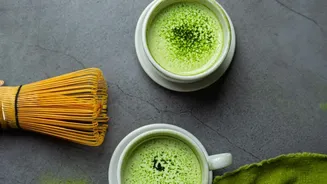
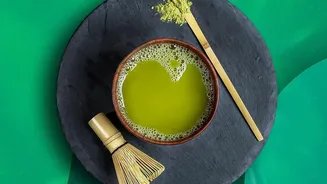
From Mumbai to Bengaluru, a new beverage is capturing the attention of millennials and Gen Z: matcha. This Japanese green tea powder is rapidly becoming a staple in third-wave coffee shops and on social media feeds. The Indian matcha market is projected
to grow significantly, with some estimates suggesting a compound annual growth rate of 8.6%. This surge isn't just about trying something new; it's deeply connected to a wider cultural shift. Consumers, especially those in urban centers, are increasingly health-conscious and drawn to global wellness trends. Matcha, with its reputation as a superfood packed with antioxidants, fits perfectly into this lifestyle. It's seen as a calmer, more mindful alternative to coffee, offering a gentle energy boost without the jittery crash.
More Than Just Green Tea
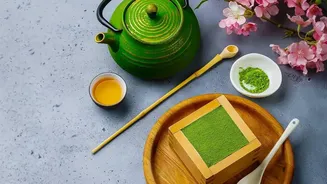
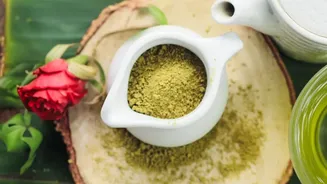
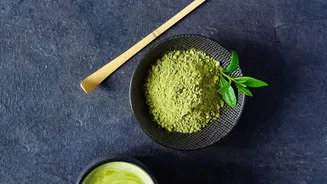
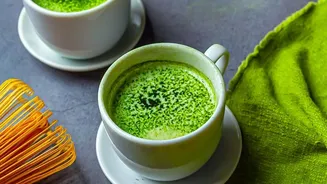
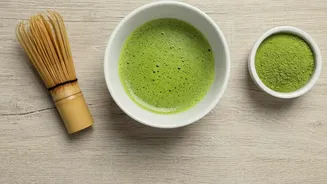
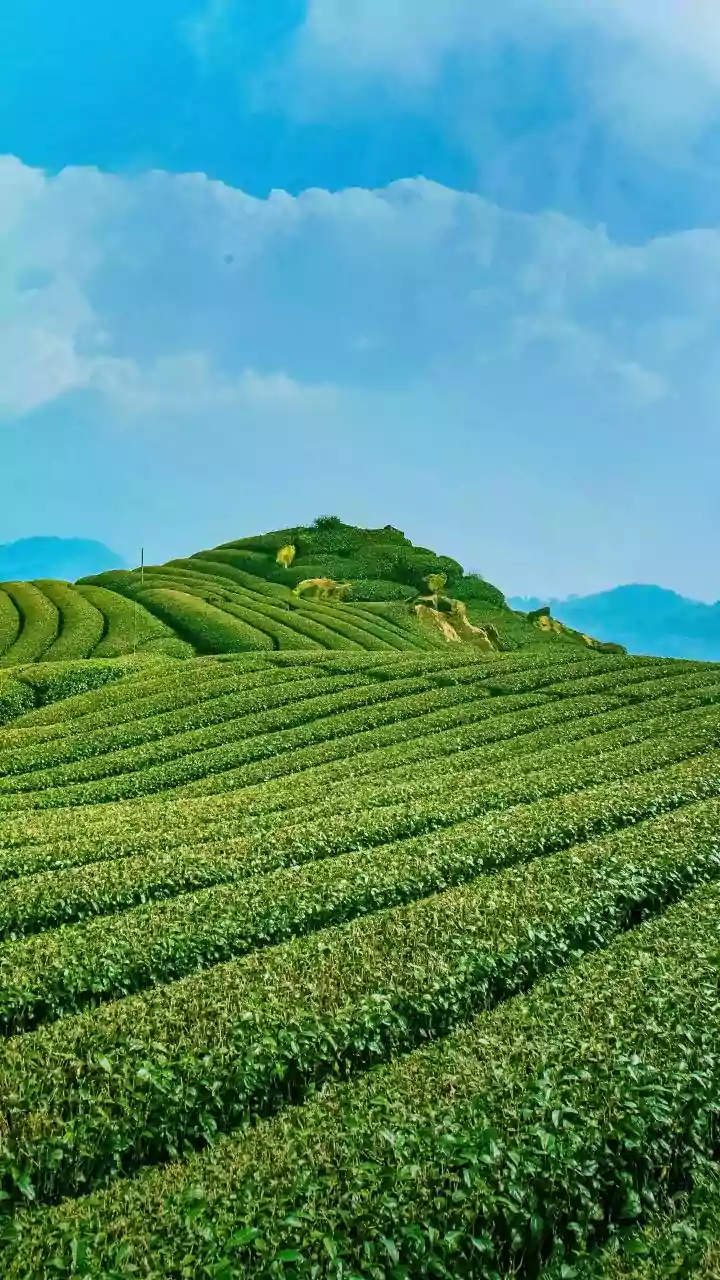
So, what exactly is this green powder? Matcha comes from the same plant as regular green tea, Camellia sinensis, but its cultivation and processing are entirely different. For the last few weeks before harvest, the tea plants are grown in the shade. This process increases their chlorophyll and L-theanine content, an amino acid responsible for matcha's unique umami flavour and calming effects. After harvesting, the leaves are steamed, dried, and slowly stone-ground into an incredibly fine powder. Unlike steeped tea, when you drink matcha, you are consuming the entire leaf, which is why it delivers a more potent concentration of nutrients. This labour-intensive process, particularly for high-quality 'ceremonial grade' matcha, is also why it often comes with a premium price tag.
Japan’s Shifting Tea Landscape
While India's interest in matcha is rising, Japan's domestic tea industry is facing a period of significant adjustment. For decades, Japanese tea farmers have contended with a shrinking local market for traditional loose-leaf teas and an aging workforce. Many younger Japanese consumers are turning to coffee or bottled teas. This has pushed producers to look outward, focusing on high-value products for export. Matcha, with its exploding global demand and premium positioning, is the perfect answer. Japan's green tea exports have been setting new records, with the United States and Europe being major markets. Now, countries like India are being recognized as high-growth potential markets. By strategically shifting focus from domestic sencha to export-grade matcha, Japanese producers are adapting to new economic realities.
A Mutually Beneficial Relationship
The trends in India and Japan are converging perfectly. As Japan seeks new, enthusiastic markets for its premium tea, India’s burgeoning cafe culture and wellness-focused urban population provide a ready-made audience. The global demand for matcha is so high that it's reportedly creating shortages and driving up prices, opening the door for producers to find new, stable markets. This has also spurred interest within India to produce its own matcha, with some estates in Assam beginning commercial production after years of collaboration with Japanese experts. This fusion is also visible in cafes, where classic matcha lattes are served alongside innovative blends like mango and strawberry matcha, adapting the flavour to local palates.
The Future is Green
Matcha is moving beyond just a drink; it's becoming a lifestyle signifier. In India, Google searches for 'how to make matcha' and 'matcha health benefits' have skyrocketed, indicating a shift from casual curiosity to genuine integration into home routines. While the price remains a barrier for some, the increasing availability through e-commerce platforms and the growth of a DIY culture are making it more accessible. As this vibrant green powder becomes a more common sight in kitchens and not just cafes, it represents more than a passing fad. It’s a story of cultural exchange, where a centuries-old Japanese tradition is being enthusiastically embraced and reinterpreted in modern India, creating a new chapter in the country's rich tea story.